
Water Crisis, Unaffordable Fares and a Neglected Shrine: Karachi's Civic Struggles This Week
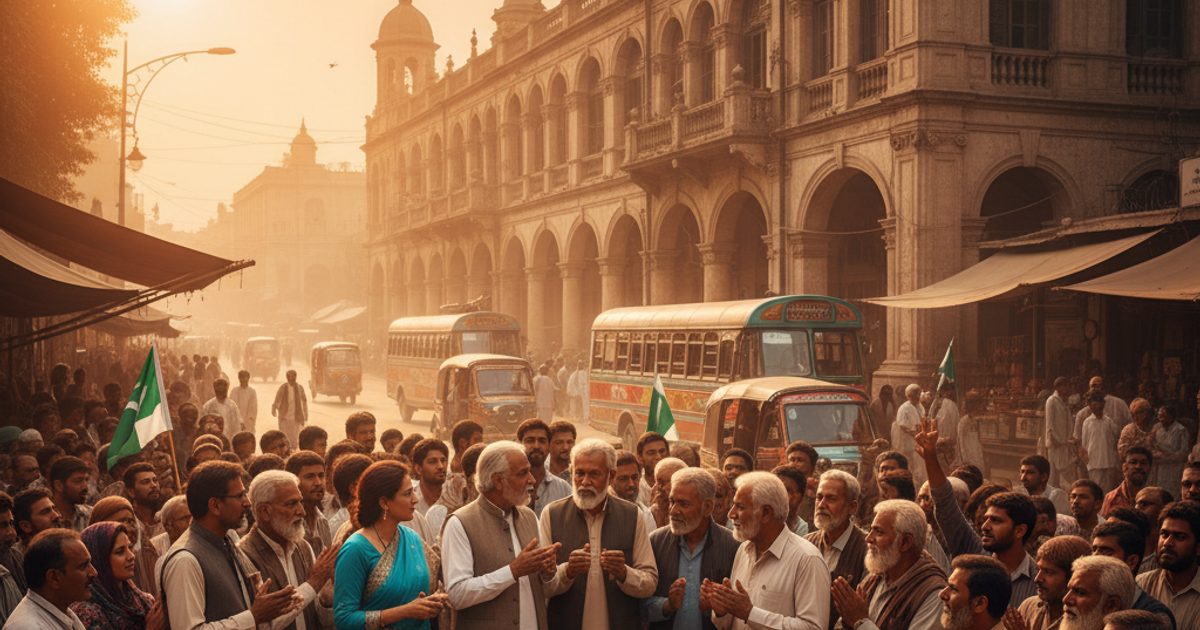
Karachi's residents continued to bear the weight of failing infrastructure and unresponsive governance this week, with three separate stories painting a sobering picture of everyday urban hardship in Pakistan's largest city.
💧 Power Failure at Dhabeji Pumping Station Threatens City's Water Supply
A power failure at the Dhabeji pumping station put Karachi on alert for a significant water shortage, as the station plays a critical role in supplying water to the metropolis. The breakdown interrupted pumping operations, raising concerns about how long reserves would last before residents began to feel the impact. The incident highlighted the city's chronic vulnerability to infrastructure failures, particularly during periods of high demand. Authorities were working to restore power and resume normal water supply operations as quickly as possible. [7]
🚌 Transport Operators Refuse to Pass on Fuel Savings to Commuters
Despite a reduction in fuel prices, public transport fares in Karachi remained stubbornly high, offering no financial relief to the city's millions of daily commuters. Transport operators have continued to charge elevated rates that were introduced when fuel prices were at higher levels, effectively pocketing the difference rather than passing savings on to passengers. The situation has drawn frustration from citizens who say they are being squeezed from multiple directions amid broader economic pressures. The persistence of high fares in the face of lower fuel costs has renewed calls for regulatory intervention to protect commuters. [8]
🏛️ Senate Panel Urges Better Public Access to Mazar-i-Quaid
A Senate committee raised concerns about the inadequate public access to Mazar-i-Quaid, the mausoleum of Pakistan's founder in Karachi, and called for improvements to the site's accessibility. The panel's intervention reflected broader anxieties about the upkeep and civic dignity of one of Pakistan's most revered national landmarks, which draws visitors from across the country. Senators urged relevant authorities to take concrete steps to make the mausoleum more welcoming and easier to reach for ordinary citizens. The issue touches on both heritage preservation and the basic expectation that a site of such national significance should be properly maintained and accessible to all. [6]