
Faith, Healing, and Community: How Oklahoma City's Diverse Spiritual Landscape Touches Desi Lives
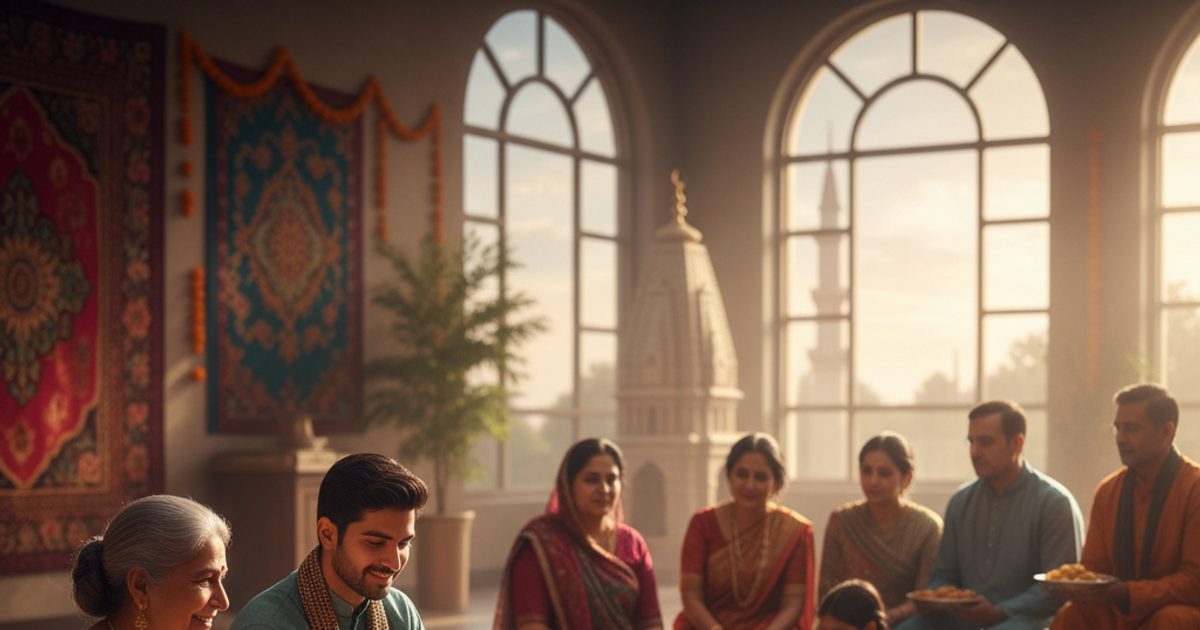
Oklahoma City's Desi community has long understood that faith and belonging are inseparable — and this week, two of the state's religious communities are facing moments that resonate deeply with anyone who has ever fought to preserve sacred spaces and traditions.
🛕 OKC Buddhist Temple Fights to Reunite with Its Monk
Members of a metro Oklahoma City Buddhist temple are actively campaigning to have their monk allowed back into the United States after he was detained or denied re-entry by immigration authorities. The congregation has rallied around the effort, viewing their monk as central to their spiritual and communal life. The situation highlights how immigration policy can directly disrupt the religious practices of faith communities in Oklahoma. For many in the Desi community who have navigated similar visa and immigration challenges, this story carries a particularly personal weight. [3]
🕍 Ponca City Synagogue Closure Leaves Oklahoma with Just Two Jewish Houses of Worship
Temple Emmanuel in Ponca City has permanently closed its doors, reducing the number of synagogues in all of Oklahoma to just two — one in Oklahoma City and one in Tulsa. Jewish community leaders note that their community has maintained an active presence in Oklahoma for more than a century and remains committed to the state going forward. The building has been put up for sale following the closure. The shrinking of institutional religious infrastructure is a concern shared across many of Oklahoma's minority faith communities, including South Asians who have worked hard to establish and sustain their own temples, mosques, and gurdwaras. [2]