
Desi Things to Do in Agra (July 2026)
Desi Things to Do in Agra (July 2026)
TL;DR
- 🗓 July 2026 opens a rich spiritual season in Agra — Pradosh Vrat (Jul 27) and Guru Purnima 2026 (Jul 29) anchor the calendar
- 🌕 Purnima on July 29 draws families to the Yamuna riverbank and local temples for evening lamp-lighting and prayer
- 🐍 Nag Panchami 2026 (Aug 17) closes the major August observances with snake-shrine rituals across older city neighbourhoods
- 🏺 The monsoon months bring a seasonal shift to Agra's craft markets, food culture, and street atmosphere
- 📅 Plan temple visits around the Shravan fasting calendar to experience the city's neighbourhood religious life at its most active
Agra Beyond the Monuments
Most visitors to Agra arrive for its famous UNESCO-listed heritage sites, but residents know the city sustains a vibrant spiritual and cultural life that runs entirely on its own rhythm. July and August bring Shravan, one of the most significant months in the religious calendar, and Agra's neighbourhoods come alive in ways that have nothing to do with the monument circuit.
The month opens with Pradosh Vrat on July 27. This fortnightly fast is observed by Shiva devotees who arrive at local temples during the pradosh muhurta — the window around sunset — to offer bel patra, perform jalabhishek, and participate in evening aarti. The atmosphere around the smaller Shiv temple streets on Pradosh Vrat evenings is genuinely communal: neighbours arrive on foot, priests chant without amplification, and the encounter feels unhurried in a way that temple visits on ordinary days rarely do.
Two days later, on July 29, Purnima and Guru Purnima 2026 land together. This convergence matters in Agra. Households observe the full moon day with prayers and family rituals, while communities with close ties to a particular spiritual teacher or gurukul hold formal guru-vandana programmes. Residents make their way to the Yamuna riverbank for evening gatherings — the full moon over the river has drawn people here for generations, and this evening is one of the most naturally beautiful in the local calendar.
The Shravan Calendar: Fasting and Local Observance
Once Shravan sets in, the rhythm of the city shifts. Sankashti Chaturthi falls on August 2, drawing Ganesh devotees into a day of fasting that breaks only after moonrise. The day has a particular character in the lanes of old Agra, where sweet vendors prepare modak and motichoor ladoo for the evening meal and families gather for moonrise viewing from rooftops and open courtyards.
Ekadashi on August 9 is among the most widely observed fasting days in Agra's communities, particularly among households that maintain the full Shravan vrat cycle. Vishnu temples run early morning kirtans and extended evening aarti, and the food culture around Ekadashi is its own quiet tradition: kitchens turn out sabudana khichdi, rajgira flour preparations, and sendha namak dishes that you will not find on any other day of the year.
Amavasya on August 12 carries a different quality. The dark-moon day is set aside for ancestral remembrance. Agra's position on the Yamuna makes it well-suited for tarpan rituals, and many residents travel to the river ghats on this day to offer water and sesame seeds for those who have passed. It is a quieter, inward day — the food remains simple, the visits are purposeful, and the streets near the ghats have an atmosphere distinct from festival days.
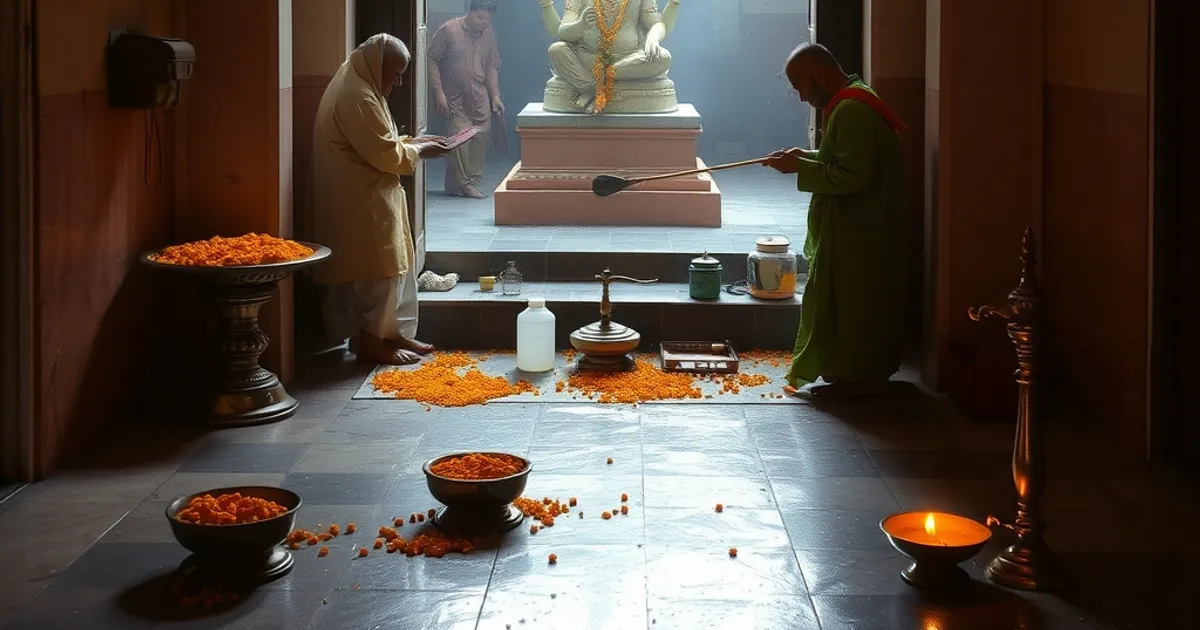
Nag Panchami 2026 arrives on August 17 to close the major August observances. Snake shrines — often small, unadorned stone structures set into the corners of older residential lanes — receive fresh marigold garlands, milk offerings, and incense sticks. The ritual is maintained with particular faithfulness in long-established Agra neighbourhoods, where older residents lead the household practice and take care to pass on the specific forms to younger family members. The day is not loud or public-facing; its significance lives in the domestic and neighbourhood sphere.
Cultural Activities and Local Experiences in Agra
The monsoon transforms Agra in ways that benefit visitors willing to spend time in the city beyond the main sites. The light becomes softer and more diffuse through July and August, and the heat gives way to cooler afternoons that make walking through the bazaars genuinely enjoyable.
Kinari Bazaar — Agra's market for ribbons, embellishments, zardosi work, and wedding accessories — is far more pleasant to explore in the monsoon months than in the harsh summer heat. The lanes here are narrow and the shops are stacked floor-to-ceiling with materials; the seasonal slowdown in tourist traffic means shopkeepers have more time for conversation and explanation of what they sell.
Agra's marble inlay craft tradition, the art of setting semi-precious stones into white marble using techniques developed over centuries, is still practised by families in the older parts of the city. Visiting workshops directly rather than buying from the monument-adjacent shops gives a much clearer picture of how the work is actually done and what the range of quality and price genuinely looks like.
The bedai-sabzi breakfast — a combination of deep-fried puffed bread and a spiced potato-pea curry — is one of Agra's most recognisable morning preparations, and it is available at establishments in Sadar Bazaar and the old-city areas from early morning. Paired with a cup of strong chai, it is the kind of meal that no tourist-facing restaurant adequately replicates. Similarly, Agra's petha sweet comes in dozens of varieties from shops that have operated for multiple generations — the range extends well beyond the standard white-sugar version, and the angoori and kesar variants are worth seeking out.
Insider Tip: Guru Purnima 2026 evening at a smaller, neighbourhood-level mandir is a far richer experience than visiting the more prominent city temples. Residential-area temples hold intimate guru-vandana ceremonies with bhajans, simple prasad distribution, and a warmth that comes from a congregation that knows each other. Arriving respectfully on foot and asking permission to observe is almost always welcomed.
FAQ
When is Guru Purnima 2026? Guru Purnima 2026 falls on July 29, 2026, coinciding with Purnima.
What is Pradosh Vrat and who observes it? Pradosh Vrat is a fortnightly fast dedicated to Shiva, observed on the 13th lunar day. Devotees fast and visit Shiv temples during the pradosh muhurta, which falls around sunset.
What happens in Agra on Amavasya? Many residents observe Amavasya as a day of ancestral remembrance. Those near the Yamuna perform tarpan at the ghats, offering water and sesame seeds in memory of their ancestors.
Is Nag Panchami widely observed in Agra? Yes. Snake shrines across older city neighbourhoods receive offerings and garlands on Nag Panchami 2026, particularly in long-established residential areas where the tradition is maintained by older residents.
What local food is distinctive to Agra in the monsoon months? The bedai-sabzi breakfast, petha sweets in their many varieties, and the fasting-specific preparations of Ekadashi and Shravan — sabudana khichdi, rajgira dishes — are all seasonal highlights unique to this period.
Bottom Line 🌕
July 2026 in Agra is a month of layered experience. The spiritual calendar runs from Pradosh Vrat through Guru Purnima 2026, Sankashti Chaturthi, Ekadashi, Amavasya, and on to Nag Panchami 2026 — giving residents and attentive visitors a framework for engaging with the city's neighbourhood life beyond the heritage monument circuit. The monsoon light, the craft and food culture of the bazaars, and the small-scale ceremonial life of the older localities together offer an Agra that most outsiders never encounter.