
Desi Community Organizations to Know in Ashburn
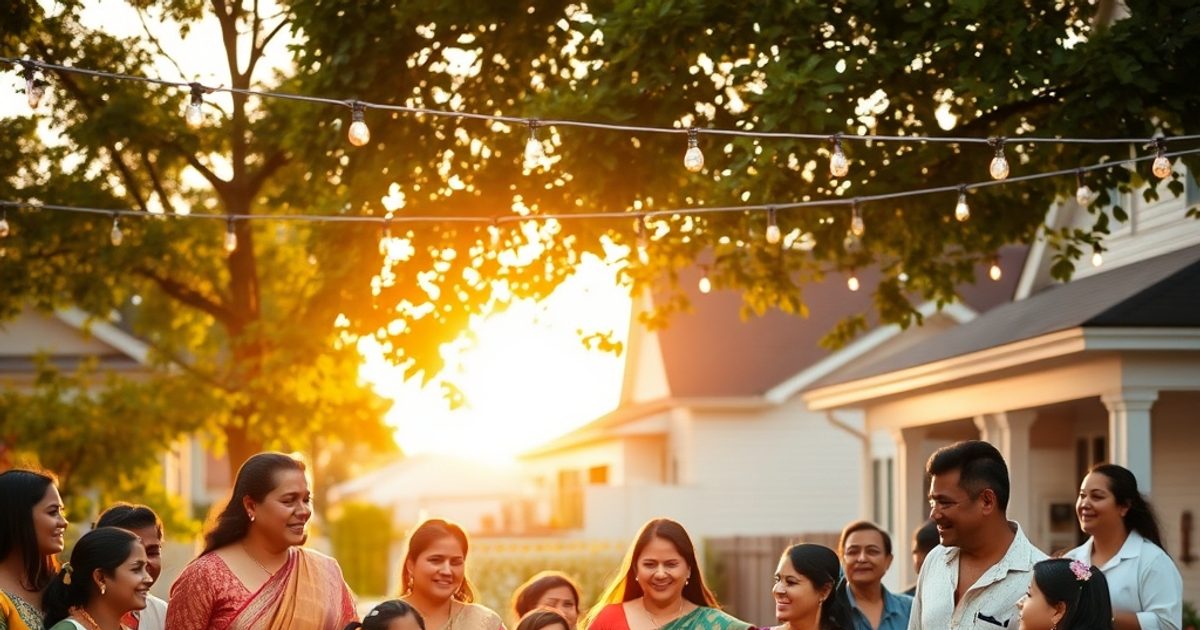
Desi Community Organizations to Know in Ashburn
Ashburn is no longer just a tech-corridor suburb — it has quietly become one of the most vibrant South Asian hubs in all of Northern Virginia. Whether you moved here last month or have been raising kids in these zip codes for a decade, knowing which organizations exist and what they actually do can change how rooted you feel in this community.
TL;DR
- 🕌 Ashburn has dedicated South Asian cultural, religious, and civic organizations right in your backyard
- 🎉 Bengali, Telugu, and Gurung/Tamu communities each have their own organized presence here
- 💰 A local foundation offers financial literacy resources specifically for the community
- 🌍 Service-oriented organizations extend Desi values of seva beyond borders
- 📍 Most organizations are neighborhood-based — you may already live minutes away
Why Community Organizations Matter in the Diaspora
For first-generation immigrants and second-gen South Asians alike, a cultural organization is often the closest thing to a village you'll find in America. It's where Durga Puja actually feels like Durga Puja, where your kids hear their mother tongue spoken casually, and where aunties will feed you whether you asked or not.
Ashburn's rapid growth has brought tens of thousands of South Asian families into Loudoun County, and with that density comes real infrastructure — not just temples and grocery stores, but associations, foundations, and samajes that reflect the full diversity of the subcontinent. Here's what's here and why it matters.
Cultural Associations: Your Home Away From Home
Northern Virginia Bengali Association
Bengalis in Ashburn have a dedicated home base in the Northern Virginia Bengali Association, located on Queensbridge Drive in the 20148 zip code. For the Bengali diaspora, this kind of organization is the connective tissue between generations — it's where Rabindra Jayanti gets celebrated with the proper gravitas, where Eid and Durga Puja alike bring the community together, and where new arrivals from Dhaka or Kolkata quickly find their footing.
Bengali cultural associations in the DMV have a long history of organizing adda sessions, cultural performances, and holiday gatherings that feel genuinely festive rather than obligatory. If you are Bengali or married into a Bengali family, finding this association early in your Ashburn life can save you years of feeling like something is missing.
Greater Washington Tamu Samaj
One of the more distinctive organizations in Ashburn is the Greater Washington Tamu Samaj, based on Winding Brook Square in the 20147 zip code. The Tamu community — also known as the Gurung people — hail primarily from the hilly regions of Nepal and represent one of the many communities within the broader South Asian diaspora that often gets overlooked in mainstream Desi spaces.
A samaj is, at its core, a society built around shared identity, and for Tamu families in Northern Virginia, this organization serves as a vital cultural anchor. Community events, cultural preservation, and mutual support are the hallmarks of samaj-style organizations, and finding one specific to your heritage group can be profoundly meaningful, especially for children growing up between cultures.
Religious and Devotional Spaces
Sri Satyanarayanswamy Seva Sannidhi
For Telugu-speaking Hindus and devotees of Lord Satyanarayana, Sri Satyanarayanswamy Seva Sannidhi on Allen House Court in Ashburn (20148) represents something deeply personal — a place of worship that honors a specific devotional tradition rooted in Andhra and Telangana practice.
Satyanarayana Swamy pujas are a cornerstone of many Telugu Hindu households, performed on full moon days, at life milestones, and during times of gratitude or need. Having a sannidhi — a sacred space or shrine — locally means families do not have to travel far to observe these rituals with proper reverence. This kind of hyperlocal religious infrastructure is exactly what makes Ashburn feel like more than just a suburb.
If you are new to the area and observant, connecting with this organization early will give you a ritual calendar to anchor your year.
Service and Giving Back: The Seva Spirit
The concept of seva — selfless service — is woven into nearly every South Asian spiritual tradition, from Sikhism to Hinduism to Islam. It is genuinely heartening that Ashburn has organizations that carry this value forward in practical, community-serving ways.
Financial Literacy Seva Foundation
The Financial Literacy Seva Foundation, located on Knob Hill Place in Ashburn (20148), brings together two values that matter deeply to the immigrant experience: the spirit of seva and the urgent practical need for financial knowledge.
Navigating American personal finance — 401(k)s, credit scores, tax-advantaged accounts, college savings plans — is genuinely confusing, and first-generation immigrants often arrive without the informal financial education that many native-born Americans absorb growing up. An organization devoted to demystifying this landscape through a community-oriented, service-driven lens fills a real gap. Whether this means workshops, one-on-one guidance, or community seminars, the work this foundation does has real-world impact on household stability.
If you have elders in your family who are hesitant about American banking systems, or young professionals who want to build wealth intentionally, this is exactly the kind of local resource worth knowing about.
International Seva
International Seva, operating out of a P.O. Box in Ashburn (20146), carries the seva mission across borders. Service organizations with an international scope often channel community fundraising, volunteerism, and professional skills toward humanitarian work — a tradition with deep roots in the South Asian diaspora, from langar halls to disaster relief networks.
For Ashburn residents who want to give back in ways that extend beyond the neighborhood, connecting with an organization like International Seva can be a meaningful way to channel that impulse toward structured, impactful giving.
💡 Desi Insider Tip: The best way to actually connect with any of these organizations is to show up in person to their first public event rather than waiting to find a website or email. South Asian community organizations run heavily on word-of-mouth and WhatsApp groups — once you are in, you are in. Ask a neighbor, post in a local Desi Facebook group, or check Desi.Net for event announcements and you will find the door.
How to Find and Engage With These Organizations
Most of these organizations do not operate storefront-style — they hold events in community centers, temple halls, homes, and rented spaces. Here is how to actually plug in:
Start with geography. Several of these organizations are in residential addresses, which means their events happen elsewhere. Look for flyers at South Asian grocery stores and temples, and keep an eye on local South Asian social media groups.
Join the WhatsApp chain. Nearly every Desi organization in America runs its operational communication through group chats. Getting added to one is like unlocking a whole parallel community calendar.
Attend one event with no expectations. Show up to a Diwali mela, a cultural program, or a general body meeting. You will meet the organizers, understand the vibe, and know immediately whether it resonates.
Bring the kids. Organizations like these are especially meaningful for children growing up in the diaspora. Seeing adults celebrate culture openly normalizes pride in heritage in ways that no textbook can replicate.
For New Arrivals: Your First 90 Days
If you have just moved to Ashburn and are South Asian, the single fastest way to feel at home is to identify which of these organizations aligns with your background or values and attend something within your first three months. The loneliness of immigration is real, and it does not go away on its own — community does.
Even if your specific regional or linguistic community is not represented by one of these five organizations, connecting with any of them will quickly lead you to people who know people. The Desi network in Ashburn is genuinely warm and remarkably interconnected.
FAQ
Are these organizations open to all South Asians, or only specific communities? Some organizations, like Bengali or Tamu associations, are primarily built around a specific community's cultural identity, while others — like service-oriented foundations — tend to be more broadly welcoming. Attending a public event is the best way to get a feel for a specific organization's culture and membership.
How do I find out about upcoming events from these organizations? Most announce events through local South Asian Facebook groups, neighborhood apps, and word-of-mouth. Desi.Net is also a good starting point for community event listings in the Ashburn area.
Do I need to be a paying member to participate? Many cultural organizations welcome visitors at public events before any membership is required. Membership structures and dues, where they exist, are typically discussed at general meetings or on the organization's social media pages.
Are there youth programs associated with these organizations? South Asian community organizations frequently organize youth-focused programming — dance, language, cultural education, and community service. Your best bet is to ask directly at an event or through a community contact.
What if my community or regional background is not represented here? Ashburn's South Asian community is large enough that most communities have some presence, even if informal. These five organizations are a starting point — once you are connected to the broader network, you will likely find your specific community group or be able to help start one.
The Bottom Line
Ashburn has built something real — a South Asian community with cultural depth, devotional spaces, civic organizations, and a genuine spirit of service. The Northern Virginia Bengali Association, Sri Satyanarayanswamy Seva Sannidhi, Greater Washington Tamu Samaj, Financial Literacy Seva Foundation, and International Seva are five threads in a much larger tapestry.
You do not have to navigate the diaspora alone in this city. The infrastructure is here — it just takes one event, one conversation, one WhatsApp add to unlock it.
For more on what is happening in Ashburn's South Asian community — from events and restaurants to schools and local news — keep coming back to Desi.Net. This is your local home base.