
Janmashtami 2026 in Baltimore: Events, Puja & Where to Celebrate
Janmashtami 2026 in Baltimore: Events, Puja & Where to Celebrate
TL;DR
- Janmashtami 2026 falls around August 26-27 — the midnight birth of Lord Krishna 🕛
- Iskcon Baltimore is the city's premier destination for Janmashtami, including an all-night celebration
- Baltimore Sikh Society is a cornerstone of the broader South Asian community during festival season
- Fasting, kirtan, a decorated jhula, and a midnight abhishek are the ritual pillars
- Guru Purnima, Nag Panchami 2026, Ekadashi, and Amavasya all precede Janmashtami in a full calendar stretch
What Is Janmashtami?
Janmashtami marks the birth of Lord Krishna — the eighth avatar of Vishnu, the philosopher-king whose teachings form the Bhagavad Gita, and one of the most beloved figures in all of Hindu devotion. The name means "the eighth (ashtami) of Krishna's birth" — and the festival is observed on the Ashtami tithi of the Krishna Paksha (dark fortnight) in the month of Bhadrapada. In 2026, Janmashtami falls around August 26-27.
What makes Janmashtami distinct is its midnight character. Krishna is said to have been born at the darkest hour — midnight in a prison cell in Mathura, during a thunderstorm, to parents Devaki and Vasudeva. Devotees fast all day, build intensity through prayer and song, and break the fast only at the moment of birth. It is one of the few Hindu festivals that peaks when most of the world is asleep.
Baltimore has a diverse South Asian community drawing from India, Pakistan, Bangladesh, Nepal, and Sri Lanka. For the city's Vaishnava and broader Hindu community, Janmashtami is a major observance — and Iskcon Baltimore ensures the celebration is among the most spiritually vibrant in the mid-Atlantic region.
Where to Celebrate Janmashtami in Baltimore
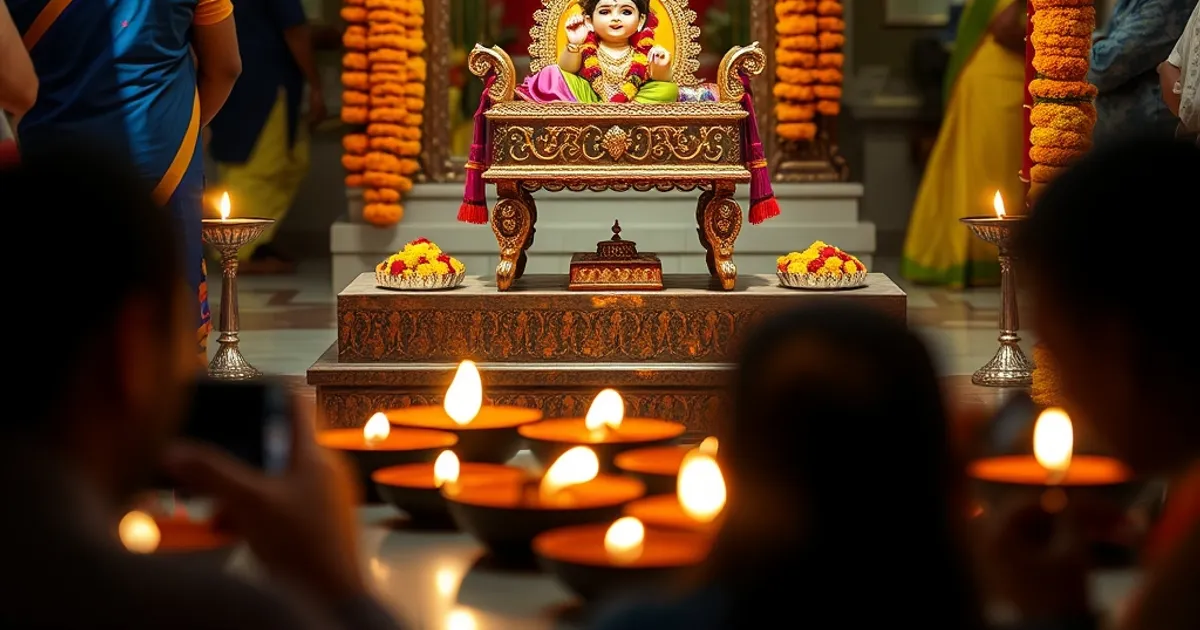
Iskcon Baltimore is the definitive home for Janmashtami celebrations in the city. The International Society for Krishna Consciousness places Lord Krishna at the very center of its practice, and Janmashtami is the most important festival of the Iskcon year. Iskcon Baltimore typically organizes a full day of programs: morning darshan, afternoon bhajans and cultural presentations, kirtan that intensifies through the evening, theatrical enactments of Krishna's birth story, and the main midnight ceremony — which includes the abhishek (ritual bathing of the deity with milk, curd, honey, rose water, and other offerings), the opening of the jhula (cradle), and the breaking of the fast with prasad. The atmosphere is charged and devotional. Arrive well before midnight to secure space and to experience the full buildup.
Baltimore Sikh Society is a foundational institution for Baltimore's Sikh community and plays a meaningful role in the city's broader South Asian cultural landscape. While Janmashtami is a Hindu observance, the Baltimore Sikh Society contributes to the interconnected network of South Asian community life that supports and enriches all festivals through the season. For Sikh families in Baltimore, the season from late July through August includes their own religious observances alongside awareness of the wider calendar.
For North Indian Hindu families, Janmashtami is also observed at home with fasting, home puja setup, and gathering with extended family for the midnight vigil.
The Festival Season: July to August 2026
Janmashtami lands at the end of a rich run of observances through Shravan. For Baltimore's South Asian community, the calendar is full from late July onward:
Guru Purnima 2026 (July 29) opens the period. This full moon is dedicated to spiritual teachers and the guru-shishya tradition. Iskcon Baltimore and other devotional communities mark Guru Purnima prominently, given the centrality of the guru in Vaishnava tradition.
Sankashti Chaturthi (August 2) is the monthly Ganesha fast. Devotees observe it with prayer, fasting through the day, and darshan after moonrise.
Ekadashi (August 8) is the fortnightly fasting day observed especially by Vaishnavas. For Krishna devotees preparing for Janmashtami, the Ekadashi of Shravan carries added spiritual significance — it falls exactly three weeks before the festival.
Amavasya (August 12) — the new moon — is a day for ancestor remembrance and pitru tarpan. A solemn counterpoint to the festive energy of the season.
Nag Panchami 2026 (August 17) brings serpent deity worship. In North Indian communities, women offer milk, flowers, and prayers to snake images at temples. Baltimore's Hindu temples typically observe this day.
Then comes Janmashtami on August 26-27 — the crescendo of the entire season — followed immediately by Raksha Bandhan on August 27. The final week of August, in other words, is genuinely packed.
How to Observe Janmashtami
Whether at a temple or at home, the structure of Janmashtami follows a clear arc:
Morning: Begin your fast. The traditional nirjala (no water) fast is the strictest; many devotees observe a fruit-and-dairy fast instead. Clean and decorate the puja space with tulsi leaves, peacock feathers, and yellow and blue fabrics — colors associated with Krishna.
Afternoon: Set up a jhula — a decorated cradle or swing — with a Krishna infant idol. Decorate with marigolds, banana leaves, and small offerings of butter and sweets (Krishna's favorites).
Evening: Join programs at Iskcon Baltimore or gather with family for bhajans and kirtan. The energy builds as midnight approaches.
Midnight: The birth moment. Ring bells, blow the conch, sing with full voice. The deity is given abhishek. The jhula is rocked. The fast is broken with panchamrit — a blend of milk, curd, honey, ghee, and sugar — and prasad is distributed.
After midnight: A celebratory meal. Gopalkala — flattened rice mixed with curd, coconut, and fruits — is the traditional Janmashtami prasad in Maharashtra and many communities. Mathura peda, chakli, and kheer are common sweets.
Insider Tip: Iskcon Baltimore's midnight Janmashtami program draws a large crowd. Plan to arrive at least 90 minutes before midnight. Bring a shawl or light wrap — temple halls can cool down overnight — and consider eating a light meal before beginning the fast so the vigil is more comfortable.
FAQ
When exactly is Janmashtami in 2026? Around August 26-27, 2026. The birth moment falls at midnight between the two dates on the Ashtami tithi of Krishna Paksha in Bhadrapada.
Is Iskcon Baltimore open to everyone on Janmashtami? Yes. Iskcon temples welcome visitors of all backgrounds. Janmashtami celebrations are public events and you do not need to be a member or devotee to attend.
Do I have to fast all day? Fasting is traditional but individually observed. Many people fast until midnight; others do a fruit-only fast or fast from grains only. The important thing is the intention.
What should I wear to temple on Janmashtami? Modest, respectful attire is appropriate. Yellow, blue, and saffron are colors associated with Krishna and commonly worn by devotees. Shoulders and knees should be covered.
Are there activities for children? Yes. Many Janmashtami celebrations include fancy dress competitions for children dressed as Krishna or Radha, storytelling, and cultural performances.
Is Janmashtami a public holiday in Maryland? No. It is not a state or federal holiday. Observing families often use personal or vacation time.
Bottom Line
Janmashtami 2026 peaks at midnight on August 26-27 — Lord Krishna's birth moment, and one of the most devotionally intense nights in the Hindu year. In Baltimore, Iskcon Baltimore leads the celebration with full-day programming and a midnight ceremony that is both spiritually profound and genuinely joyful. Baltimore Sikh Society is a vital pillar of the South Asian community that adds depth to the broader festival season. From Guru Purnima 2026 on July 29 through Nag Panchami 2026, Ekadashi, and Amavasya, the season builds steadily toward this night. Stay the course, fast with intention, and arrive at the temple ready to welcome Krishna at midnight.