
Finding Your Temple & Community in Berlin
TL;DR
- 🛕 Berlin's South Asian faith community is anchored by Sri Ganesha Hindu Tempel, Jagannatha Tempel Berlin, and the Gurdwara Sri Guru Singh Sabha Berlin
- 🙏 The Vedanta-Gesellschaft offers a philosophical and spiritual home for those drawn to Vedantic traditions
- 🇩🇪 Berlin's Desi community spans Indian, Pakistani, Sri Lankan, Bangladeshi, and Nepali families across the city
- 🔍 Desi.Net's Berlin directory is your guide to temples, gurudwaras, community organizations, and South Asian businesses
- 🌏 Whether you are new to Berlin or a long-time resident, the South Asian community here is welcoming and active
Berlin is one of Europe's most cosmopolitan cities — a place where people from every corner of the world have built lives, communities, and institutions that feel like home. For the South Asian diaspora in Germany's capital, this has meant creating a remarkable network of religious spaces, cultural organizations, and community centers that serve Desi families from every tradition and background. Whether you are Hindu, Sikh, Muslim, Buddhist, or simply looking for a connection to your cultural roots, Berlin has a place for you.
Hindu Temples in Berlin
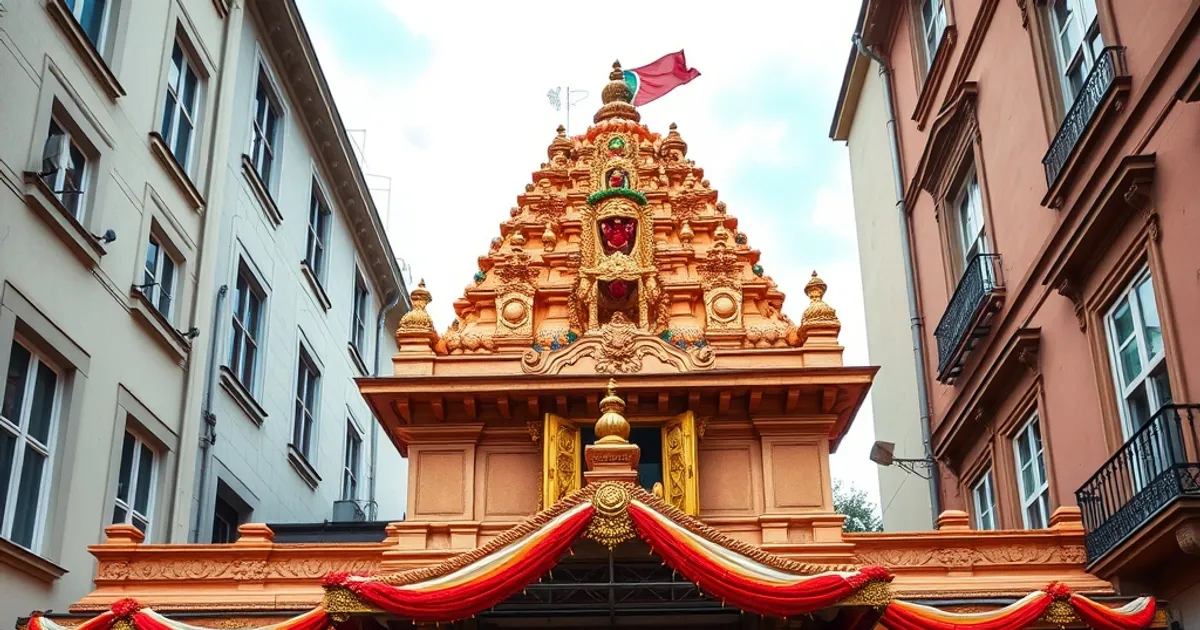
For Hindu families in Berlin, the most prominent place of worship is the Sri Ganesha Hindu Tempel, located at 106 Hasenheide in the Neukölln district. Named for Lord Ganesha, the remover of obstacles and the deity associated with new beginnings and wisdom, this temple serves as a spiritual center for Berlin's Hindu community, hosting regular pujas, festival celebrations, and cultural programs throughout the year.
The temple's presence in Hasenheide — a neighborhood with a rich, multicultural character — reflects the way Berlin's Desi community has woven itself into the fabric of the city. Visiting for the first time, you may encounter Tamil-speaking families from Sri Lanka, Telugu families from Andhra Pradesh, and Punjabi families from North India, all gathering in a shared sacred space that transcends regional origin.
Also serving Berlin's Vaishnava community is the Jagannatha Tempel Berlin, located at 209 Berliner Allee. Dedicated to Lord Jagannath, the form of Vishnu worshipped especially in the Odisha tradition, this temple offers a connection to bhakti traditions and is associated with the International Society for Krishna Consciousness (ISKCON). The temple is open to all who wish to learn about Vaishnavism, participate in kirtan, and enjoy prasad.
Insider Tip: Both Berlin temples often host larger celebrations for festivals like Diwali, Holi, and Janmashtami that draw hundreds of South Asian families from across the city and the surrounding region. These gatherings are wonderful opportunities to connect with the broader Desi community if you are new to Berlin.
The Sikh Community and the Gurdwara
For Sikhs in Berlin, the Gurdwara Sri Guru Singh Sabha Berlin is the heart of community life. Gurdwaras are unique among South Asian religious spaces — they are simultaneously houses of worship, community centers, and places of unconditional hospitality, where the langar (community kitchen) serves free meals to anyone who enters, regardless of faith or background. Berlin's gurdwara is no different.
The gurdwara holds Gurbani kirtan services, Akhand Path readings, and celebrations of all major Gurpurabs throughout the year. For Sikh families who have made their home in Berlin — often involved in Berlin's business, medical, and academic communities — the gurdwara provides an irreplaceable sense of belonging, a place to hear the Gurmukhi language and share in the traditions of the Panth far from Punjab.
For non-Sikhs visiting, gurdwaras are among the most welcoming institutions in the world. Cover your head, remove your shoes at the entrance, and you are genuinely welcome to sit for the kirtan, take a moment of quiet reflection in the darbar hall, and join the langar for a shared meal.
Vedantic and Philosophical Traditions
For those drawn to the philosophical dimensions of Indian spiritual life — the non-dualistic tradition of Advaita Vedanta, the writings of Swami Vivekananda, or the synthesis of Eastern and Western philosophy — the Vedanta-Gesellschaft in Berlin offers a thoughtful community.
The Vedanta Society tradition, rooted in the teachings of Sri Ramakrishna and made globally accessible by Swami Vivekananda's landmark 1893 address at the Chicago Parliament of the World's Religions, has been a significant bridge between South Asian philosophy and Western spiritual seekers for over a century. In Berlin, the Vedanta-Gesellschaft hosts lectures, study groups, and meditative gatherings that welcome both South Asians seeking connection to philosophical tradition and non-Indian practitioners who have found meaning in Vedantic thought.
Building Community in Berlin
Beyond religious spaces, Berlin's Desi community has built a rich ecosystem of cultural organizations, professional networks, Indian grocery stores, restaurants serving regional Indian cuisine, Bollywood film screenings, and cricket clubs. These are the connective tissue of diaspora life — the places where language, food, music, and memory keep cultural identity alive across generations.
For families new to Berlin — whether arriving for work, study, or a long-term move — finding community can feel daunting in a new country with a new language. The temples, the gurdwara, and the Vedanta-Gesellschaft are natural starting points. But so is Desi.Net's Berlin directory, which lists South Asian-owned businesses, community organizations, restaurants, and service providers in the city.
FAQ
Q: Is there a South Indian temple in Berlin? A: Sri Ganesha Hindu Tempel in Hasenheide serves as the main Hindu temple in Berlin and welcomes worshippers from all South Indian traditions. Check their website for specific puja schedules that may reflect Tamil or Telugu community traditions.
Q: Are Berlin's temples open to visitors who are not Hindu or Sikh? A: Yes, all of Berlin's South Asian temples and the gurdwara welcome respectful visitors of all backgrounds. Modest dress and quiet respect for ongoing worship are appreciated.
Q: Where do Desi families shop for Indian groceries in Berlin? A: Several Indian grocery stores operate in Berlin, concentrated in neighborhoods like Kreuzberg, Neukölln, and Mitte. Desi.Net's Berlin page lists Indian grocery stores and food shops across the city.
Q: Is there a Pakistani Muslim community center in Berlin? A: Berlin has a significant Pakistani community, served by several mosques. Desi.Net's Berlin directory includes listings for Muslim community organizations and mosques serving South Asian families.
Q: How active is Berlin's Desi community for festivals like Diwali and Holi? A: Very active. Sri Ganesha Hindu Tempel and community organizations typically host large Diwali and Holi events that draw hundreds of Desi families and curious Berliners. These are major community calendar events in the city.
Bottom Line
Berlin's South Asian community has built something genuinely special — a network of sacred spaces, cultural institutions, and community organizations that make this vibrant German city feel like home. From the Sri Ganesha Hindu Tempel in Hasenheide to the Jagannatha Tempel Berlin on Berliner Allee, from the Gurdwara Sri Guru Singh Sabha Berlin to the thoughtful community at the Vedanta-Gesellschaft, Berlin offers Desi families a meaningful range of ways to stay connected to their roots. Explore the full directory at desi.net/berlin and find your community in Europe's most exciting capital.