
Berlin Indian Community News — July 16, 2026
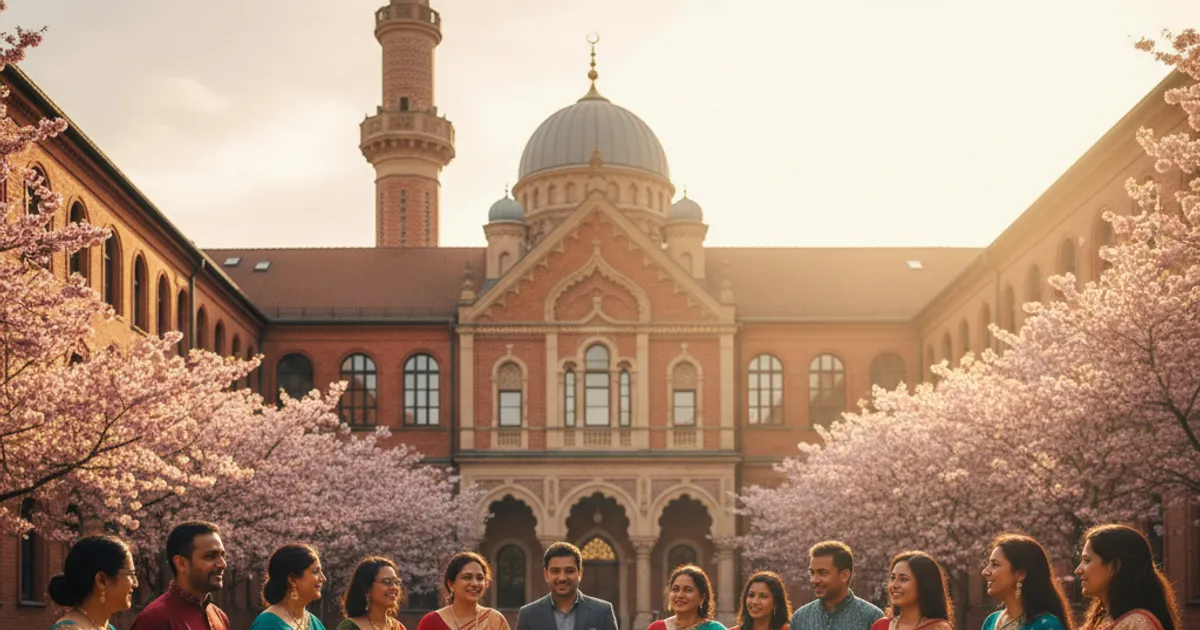
🪔 Berlin's Sri Ganesha Temple Opens as a Major Hindu Landmark in Europe
Berlin's Indian and Tamil Hindu diaspora community celebrated a historic milestone in June 2026 with the official opening of the Sri Ganesha Temple in the city's Neukölln district. Located beside Hasenheide Park, the temple is recognized as one of the largest Hindu places of worship in Europe, built over more than two decades through community fundraising totalling €1.1 million in donations. The five-day consecration festival ran from June 3 to 7, with restricted ceremonial access during the first three days while priests and Sthapathis performed traditional consecration rituals. On Sunday June 8, the temple opened publicly: water drawn from both the Ganges and the Spree rivers was poured ceremonially onto the crown of the 56-foot vimana, a striking South Indian architectural tower that has become a landmark in Neukölln. Members of the Bundestag and Berlin Senate attended the opening alongside prominent figures from India. The temple is dedicated to Lord Ganesha, the elephant-headed deity associated with wisdom and new beginnings, and is open to all Hindu traditions — Vaishnava, Shaiva, Shakta, and Smarta. Ten volunteer board members and three resident priests operate the space, which holds aarti morning and evening. The temple traces its spiritual and community roots to Berlin's Tamil Hindu population, many of whom have ties to southern India and Sri Lanka. Indian Prime Minister Narendra Modi is expected to visit the temple alongside Chancellor Friedrich Merz in October 2026 as Germany and India mark 75 years of diplomatic relations. [5]
🤝 DW Profiles Hindu Diaspora Life at Berlin's Newest Temple
Germany's public broadcaster DW.com offered an intimate look at Hindu diaspora life in Berlin with a video report published in June 2026, centred on the opening of what it described as Germany's largest Hindu temple. The report followed Durva Barve, an Indian student living in the German capital, as she navigated the balance between her spiritual practice and daily life in one of Europe's most cosmopolitan cities. For members of Berlin's Indian and South Asian community, religious identity extends well beyond formal temple worship: it shapes friendships, community networks, and a sense of continuity with home. DW's profile captured this texture — the way a young Indian woman carries her faith through student life in Berlin, and what the new Sri Ganesha Temple in Neukölln means for people who have long managed their devotional lives without a major community worship space. With the temple now open, Berlin's Hindu Indian diaspora has a permanent institutional home capable of hosting the full spectrum of religious ceremonies, cultural events, and community gatherings that can make the difference between a diaspora that struggles to cohere and one that builds lasting roots across generations in Germany. [2]
Indian Students at Berlin University Face Deportation, Not Graduation
A serious situation came to light at the close of 2025 when Euronews reported that hundreds of Indian students enrolled at a Berlin private university were facing potential deportation after the institution lost its official accreditation. The students had enrolled in good faith, paid substantial tuition fees, and relocated to Berlin with every expectation of completing their degrees, only to discover that the university's failure to maintain accredited status had placed the residency permits tied to their student enrollment in jeopardy. Many faced the prospect of being removed from Germany before finishing their studies — a particularly harsh outcome for those who had invested years and significant financial resources in pursuit of a German qualification. The Indian community in Berlin and broader advocacy networks raised concerns on the students' behalf, and the Indian Embassy was reported to be monitoring the situation closely. The case drew wide attention across Europe, covered in multiple languages by Euronews, and highlighted the systemic vulnerabilities faced by international Indian students who depend on private institutions for both their education and their legal immigration standing in Germany. Community groups and advocates called on German authorities to permit affected students to transfer to accredited programs rather than face immediate deportation. [8]
Sources: [5] hinduexistence.org · [2] DW.com · [8] Euronews.com