
Concerts & Cultural Shows Coming to Bhubaneswar
TL;DR
- 🛕 Bhubaneswar's temple festival calendar stays dense through July and August — the monsoon doesn't slow it down
- 🎭 Odissi classical dance performances are tied to temple traditions here more than in most cities
- 🌧️ August is deep monsoon — the city's greenery peaks and the smaller temples become strikingly atmospheric
- 🎨 Pattachitra artists work year-round; the craft haat is worth extended time for serious buyers
- 🥁 Local cultural organizations run programs around the major festival dates — check venue boards on arrival
August in Bhubaneswar
The monsoon arrives in Bhubaneswar in June and settles in properly by July. By August, the city is saturated green — the lakes around Ekamra Kshetra fill up, the temple tanks overflow, and the Lingaraj complex takes on a different character in grey monsoon light. This is not peak tourist season in the conventional sense, but it is arguably peak season for cultural engagement.
Odisha's festival calendar does not pause for rain. The weeks from late July through mid-August carry several significant observances, and Bhubaneswar's position as the state capital means the institutional cultural apparatus — Rabindra Mandapa, Odisha Sangeet Natak Akademi, the craft organizations — tends to cluster programming around these dates. Classical music recitals, Odissi dance tributes, and temple ceremonials all gain in frequency during this window.
The city itself is built around an extraordinary density of ancient temples. Estimates of over 400 temples in the greater Ekamra precinct are not exaggerated — many are small, tucked into residential areas, visited by neighborhood communities rather than pilgrims from outside. Walking the lanes between the major sites reveals them constantly: a carved doorframe here, a weathered shikhara visible above a compound wall there.
The Festival Calendar: Guru Purnima Through Nag Panchami
Guru Purnima 2026 falls on July 29, and in Bhubaneswar it carries a particular weight in the performing arts community. The guru-shishya tradition is central to how Odissi dance has been transmitted — the art's revival in the post-independence decades was built on teacher-student relationships of unusual intensity and commitment. Guru Purnima in Bhubaneswar brings performances, public tributes to teachers, and gatherings at the Utkal Sangeet Mahavidyalaya and other institutional venues. If you're arriving in the last days of July, check Rabindra Mandapa's program board — events often extend a few days past the actual full moon date.
Sankashti Chaturthi on August 2 draws devotees to Ganesh temples across the city for evening aarti and moonrise fasting. The observance is quieter than the Ganesh Chaturthi festivals of September and October but maintains a steady neighborhood energy — temples remain lit late into the evening, and the smell of incense and camphor spreads through the surrounding lanes.
Ekadashi on August 9 is significant across the Vaishnavite tradition that runs strong through Odisha. The Ananta Vasudeva Temple in the Ekamra precinct — one of the relatively few Vaishnava temples in a precinct dominated by Shaiva architecture — sees its highest footfall on Ekadashi dates. Fasting households come to break their fast with the temple prasad.
Amavasya on August 12, the new moon, is linked in Odisha to ancestor-veneration rituals — pinda daan at sacred tanks and river banks. Bindu Sagar lake, considered one of the most sacred bodies of water in Odisha, is the main focus for these observances in Bhubaneswar. The temples surrounding the lake are notably quieter on Amavasya evenings once the ritual bathing is done, which makes it a good time for unhurried exploration of the smaller shrines.
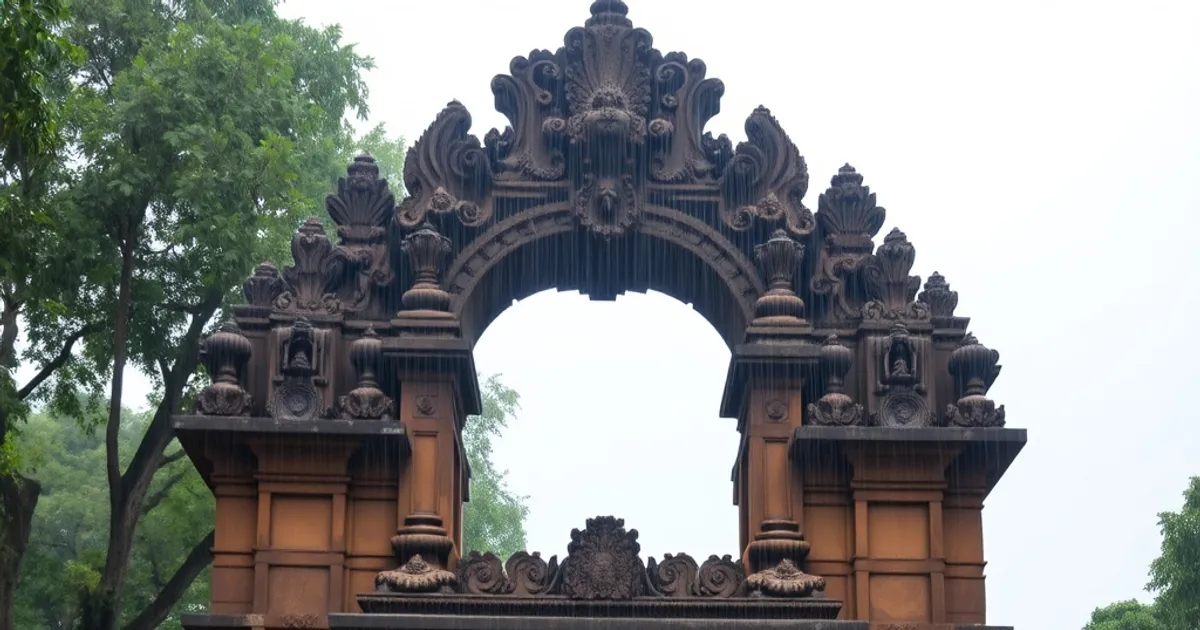
Nag Panchami 2026 on August 17 brings the month's most visible street-level celebrations. Snake imagery is woven through Odisha's temple sculpture with unusual consistency — the Mukteshwar Temple's torana gateway has serpent motifs that art historians have written about extensively. On Nag Panchami, snake shrines receive offerings of milk, flowers, and clay figurines. The celebrations have both Brahminical and folk dimensions, and in some neighborhoods both happen simultaneously in the same physical space.
Odissi, Classical Music, and the Living Arts
Bhubaneswar's performing arts scene is not a preserved relic — it's an active ecosystem. The several Odissi gharanas operating in the city give it a depth that Puri and Cuttack, despite their own cultural significance, cannot match for concentrated classical dance infrastructure.
Odissi as a classical form was substantially reconstructed and codified in the 1950s and 1960s by a group of scholars and practitioners who worked backward from temple sculpture — particularly the Konarak Sun Temple and the Natya Mandapas — to reconstruct movement vocabularies. The result is a form that looks very specifically like the sculpture it was derived from: the tribhanga stance, the elongated hand positions, the specific relationship between the dancer's weight and the ground. Performances during the Guru Purnima period in particular can reach a high level because senior practitioners come to pay tribute to their own teachers and use the occasion to perform.
Classical music — both Odissi and Hindustani — follows the same institutional calendar. The Prachya Niketan and Utkal Sangeet Mahavidyalaya host events that are not heavily advertised beyond the city but are accessible to visitors who know to look.
Pattachitra is the art form that Bhubaneswar provides excellent access to without requiring the journey to Raghurajpur village. The traditional palm-leaf and cloth painting uses natural pigments — stone, conch shell, lamp black — and covers narratives from the Puri Jagannath tradition primarily. The Ekamra Haat craft market stocks work from active practitioners. August is a reasonable time for serious buyers because tourist traffic is lower and the artisans present at the haat are more engaged in conversation.
Sambalpuri handloom — the ikat-weave textile tradition — is available through the state emporium Utkalika. The fabric is produced in Sambalpur and Bargarh districts in western Odisha; what reaches Bhubaneswar is the finished product rather than the production itself, but the quality at the state emporium is reliable.
The Temples in the Rain
The Lingaraj Temple (11th century) is the largest active temple in the precinct — the main shikhara rises 55 meters. Non-Hindus are not permitted inside but a viewing platform on the north side gives a clear sightline to the main tower. The scale becomes apparent from outside; inside, by accounts, the devotional intensity is considerable.
The Mukteshwar Temple (10th century) is considered one of the finest examples of Kalinga temple architecture. It's smaller than Lingaraj but the sculptural density rewards close, slow attention. August rain makes the sandstone dark and saturated — the carved figures on the exterior show up better in diffuse monsoon light than in direct midday sun. The torana gateway at the entrance is the most photographed element, but the exterior panels that wrap around the jagamohana have equal quality.
The Rajarani Temple has no resident deity and functions as an archaeological monument with free access at all hours. The sculptural program on the exterior — dik-pala guardian figures, female figures in complex poses, narrative panels — is exceptional. Without pilgrimage crowds, it's possible to spend an hour here without being hurried.
Insider Tip: Most cultural programs at Rabindra Mandapa and related venues post their schedules on physical notice boards a few days ahead rather than maintaining updated online listings. When you check in at your accommodation, ask the front desk to make a quick call to Rabindra Mandapa directly — the staff there will confirm what's scheduled during your dates. This saves a trip across town on a rainy day.
FAQ
Do the temple festivals involve processions outside the temple complexes? Yes — Nag Panchami and Guru Purnima observances often extend into surrounding streets and around the Bindu Sagar lake area. The processions are informal but consistent.
Is Bhubaneswar manageable in the monsoon? The city has reasonable drainage and flooding is usually localized to low-lying areas. Autos and app-based cabs operate through rain without significant disruption. Carry an umbrella rather than relying on rain gear — the rain in August comes in bursts rather than continuously.
Can visitors attend Odissi performances? Yes. Institutional programs at Rabindra Mandapa and university venues are generally open to the public. Small group performances at gharana spaces may require advance inquiry but are rarely closed to respectful observers.
What's the best way to find genuine Pattachitra art? The Ekamra Haat craft market and the Utkalika state emporium are reliable starting points. Ask artists to show you work in progress or explain the preparation of the base cloth — practitioners of traditional work can answer these questions specifically. Reproductions cannot.
Is Bhubaneswar worth visiting independently from Puri? Absolutely. The temple architecture merits a dedicated visit of 2–3 days. Most travelers route Bhubaneswar and Puri together (60 km apart) but Bhubaneswar absorbs considerable time without exhausting its offerings.
Bottom Line
Bhubaneswar in August is the city without its tourist varnish — fewer tour buses, more ritual, and the classical arts running on their internal calendar. The festival sequence from Guru Purnima through Nag Panchami gives a visit genuine structure. The temples, the Odissi tradition, and the Pattachitra craft scene fill the space between. Plan around the festival dates and you'll find a city that rewards attention in ways that no other period quite replicates.