
Raksha Bandhan 2026 in Bhubaneswar: Events, Puja & Where to Celebrate
TL;DR
- Raksha Bandhan 2026 falls on August 28, aligned with Purnima — the full-moon day amplifies temple footfall across the city. 🌕
- Lord Lingaraj Temple and Brahmeswar Temple anchor the morning puja circuit for most families.
- The festival opens a six-week run: Nag Panchami (Aug 17), Pradosh Vrat (Aug 26), Janmashtami (Sep 4), and Ganesh Chaturthi (Sep 14) all follow.
- Rakhi markets around Old Town and Master Canteen Square come alive roughly two weeks before the day.
- Siblings travelling home from other cities typically plan to arrive by Pradosh Vrat on August 26 to maximise time together.
Raksha Bandhan 2026: The Date and What Surrounds It
Raksha Bandhan in Bhubaneswar falls on August 28, 2026, and this year it coincides with Purnima — the full-moon day. That alignment matters practically. The Purnima puja at major temples begins in the pre-dawn hours, which means a family can complete its temple visit by mid-morning and still have the full afternoon free for the rakhi ceremony at home. The auspicious window for tying the rakhi traditionally opens after Bhadra tithi ends; consult a local panchang for the precise muhurta, which typically lands in the afternoon.
The two days before Raksha Bandhan carry their own religious weight. Ekadashi on August 23 draws Vishnu devotees to fast and pray, and Pradosh Vrat on August 26 is a Shiva-focused observance that sees steady turnout at Shaiva temples across the city. By the time Purnima and Raksha Bandhan arrive together on August 28, the devotional atmosphere has already been building for nearly a week.
After Raksha Bandhan, the calendar accelerates. Sankashti Chaturthi on September 1 marks the beginning of the next lunar fortnight. Krishna Janmashtami 2026 follows on September 4, just one week later. Then Ganesh Chaturthi 2026 arrives on September 14. For families with relatives visiting from outside Odisha, the stretch from late August through mid-September packs five major occasions into fewer than four weeks — a strong argument for an extended stay.
Nag Panchami 2026 on August 17 serves as the opening act for the season. Serpent-deity shrines see increased activity on this day, and milk offerings at temple nagakal stones are common across the city. Between Nag Panchami and Raksha Bandhan there are eleven days — enough time for out-of-town visitors to settle in before the main event.
Temples at the Centre of the Celebration
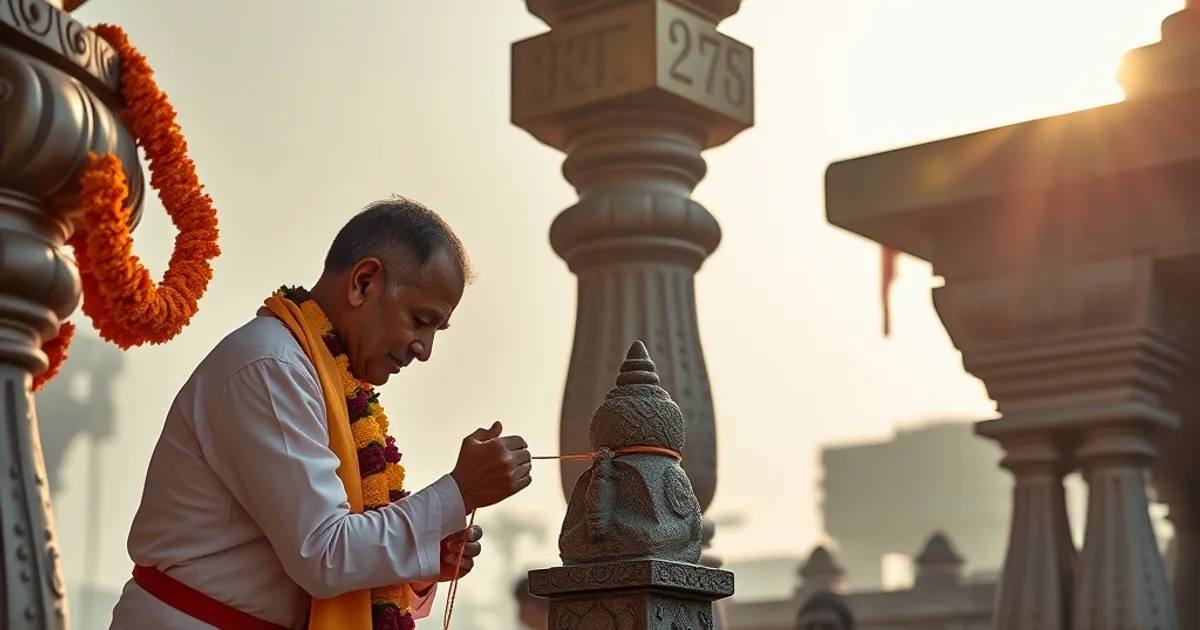
Bhubaneswar holds an exceptional density of active temples, and Raksha Bandhan falling on a Purnima draws people to the city's sacred sites in particularly large numbers. Several temples define the local experience of the day.
Lord Lingaraj Temple is the city's most prominent shrine, a working Shaiva temple from the 11th century that draws its heaviest crowds on Purnima days. The pre-dawn mangala arati is the most attended darshan slot; by mid-morning the outer queues can extend several hundred metres. Families who want both the temple visit and a relaxed home ceremony plan to reach Lingaraj before 7 a.m. The complex is large enough that even on a crowded day, the puja can be completed without feeling rushed.
Brahmeswar Temple (also recorded as Brahmeswara Temple) is an 11th-century Kalingan-style structure set in a quieter neighbourhood. It remains active for daily puja and sees consistent devotees on festival mornings. Its relative calm compared to Lingaraj makes it a preferred choice for families with elderly members or young children.
Yameswar Temple (also known as Yameshwar Temple), dedicated to Yamraj, carries specific significance on Purnima days because of its association with ancestral observances. Some households visit Yameswar in the early morning to complete those rites before turning to the celebratory rakhi ceremony at home.
Ananta Basudeva Temple, positioned near Bindu Sagar tank, is one of the few major Vaishnav shrines in a city dominated by Shaiva temples. It is dedicated to Vishnu, Balarama, and Subhadra — the same trinity as the Jagannath tradition — and draws a distinct congregation. Families observing both Vaishnav and Shaiva traditions sometimes split a single morning between Lingaraj and Ananta Basudeva.
Kapilesvara Temple and Bhaskaraswar temple function as neighbourhood anchors within the inner Old Town grid, absorbing local foot traffic during festivals without the citywide draw of the larger shrines. For residents of Old Town, these are often the most practical choice for an early-morning puja.
Mahakala - Mahakali Temple is active year-round and sees increased visitors around Purnima. Bharati Matha, a monastic establishment in the city, conducts religious discourses during festival periods and provides a quieter setting for those who want structured teaching alongside devotion.
For those willing to travel a short distance, Somnath Temple on the SH-13 Jatni-Pipili Road serves devotees from across the broader district and offers a less congested setting than city-centre shrines. Sambhunath Shiv Temple in Sundarpur is another option on the city's periphery.
Rakhi Markets and the Shopping Season
Bhubaneswar's Old Town markets, along with the commercial corridors near Unit-I, Unit-II, and Master Canteen Square, fill with seasonal rakhi vendors from around August 13 onward. Silk rakhis, zardozi rakhis, beaded designs, and simple cotton-thread versions all appear alongside mithai boxes and dry-fruit gift sets popular as return gifts after the rakhi ceremony.
Odisha's craft identity surfaces at the edges of the festival. Artisan collectives sometimes produce gift packaging drawing on pattachitra painting traditions, and dokra metalwork appears in pendant-style decorative rakhis. Prices span a wide range — handcrafted pieces from recognised cooperatives carry a premium, while simple rakhis at market stalls remain affordable.
Sisters sending rakhi by post to brothers elsewhere in India will find India Post offices across Bhubaneswar busy from mid-August onward. Booking registered parcels early avoids the last-week queue.
Insider Tip
Arrive at Lord Lingaraj Temple before 6:30 a.m. on Raksha Bandhan morning. The mangala arati slot is the least crowded darshan window of the day, and completing the puja early means you are home in time for the rakhi ceremony before the afternoon heat peaks. Most confectionery shops around Old Town restock fresh mithai trays by 8 a.m., so you can collect sweets on the way back.
FAQ
When is Raksha Bandhan 2026 in Bhubaneswar? August 28, 2026. The date coincides with Purnima.
What is the auspicious time to tie the rakhi? Traditional guidance places the muhurta in the afternoon, after Bhadra tithi ends. A local panchang will give the precise window for the day.
Which temple is the most significant stop on Raksha Bandhan morning? Lord Lingaraj Temple is the city's principal Purnima destination. Brahmeswar Temple and Ananta Basudeva Temple are strong alternatives for a calmer experience.
What other festivals immediately follow Raksha Bandhan this year? Krishna Janmashtami 2026 on September 4, then Ganesh Chaturthi 2026 on September 14.
Are there public processions on Raksha Bandhan in Bhubaneswar? Large outdoor processions are less common for Raksha Bandhan than for Rath Yatra or Ganesh Chaturthi. The celebration centres on family gatherings and temple visits rather than street events.
Can visitors from outside the state attend temple pujas on this day? Access policies vary by temple. Lord Lingaraj Temple restricts its inner sanctum; Brahmeswar Temple and Ananta Basudeva Temple are more broadly accessible. Confirm arrangements before visiting.
Bottom Line
Raksha Bandhan 2026 in Bhubaneswar arrives on August 28, doubled in significance by its alignment with Purnima. The temple circuit — Lord Lingaraj Temple, Brahmeswar Temple, Yameswar Temple, and Ananta Basudeva Temple among others — gives the day a devotional structure that extends well beyond the home ceremony. With Nag Panchami, Janmashtami, and Ganesh Chaturthi all within the same four-week window, August through mid-September is the most festival-concentrated stretch on the Bhubaneswar calendar. Plan an early temple start, keep the afternoon for the rakhi ritual, and stay through September if the schedule permits.