
Sound, Dance and Heritage: Birmingham's South Asian Arts Scene Finds New Voices
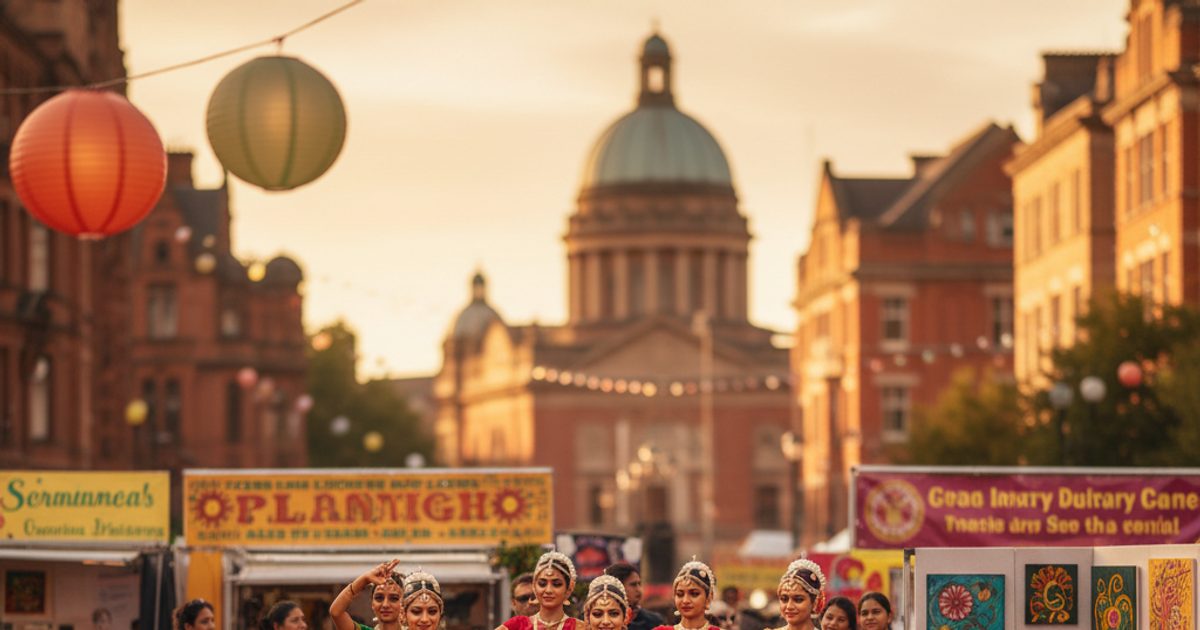
Birmingham has long been a crucible for South Asian creative expression, and a fresh wave of projects — spanning music archiving, folk dance and club culture — shows that the community's artistic ambition is as vital and inventive as ever.
🎵 Rescuing 3,000 Records: The UK's Largest South Asian Vinyl Archive
Birmingham artist Faisal Hussain has spent the past three years carefully archiving a collection of around 3,000 records rescued from Oriental Star Agencies, a Birmingham-based store that imported Indian and Pakistani music before closing in 2017. The collection, now recognised as the largest South Asian vinyl archive in the UK, is managed through Hussain's True Form Projects and catalogued with the help of a team of volunteers. Hussain's connection to Oriental Star Agencies dates back to childhood visits with his father, giving the project a deeply personal as well as cultural dimension. The archive's first public exhibition launched at Manchester Museum, marking a significant milestone in bringing this overlooked chapter of British South Asian musical history to a wider audience. [5]
💃 Giddha in the Midlands: Punjabi Folk Dance Empowers a New Generation of Women
An annual giddha folk dancing competition held in Telford is drawing teams from across the UK and earning praise for the way it empowers young women from South Asian communities. Now in its fourth year at the venue, the event is judged on criteria including costumes, jewellery, dancer synchronisation and energy, with Birmingham-based judge Sukhi Bart noting it grows larger every year. Fellow Birmingham judge Jyoti Desi Divas spoke of how the dance form, rooted in expressing inner feelings through music, has helped women challenge traditional expectations that once discouraged them from public participation. Organisers emphasised that the event is open to all, with the hope that keeping these traditions alive will ensure younger generations remain connected to their cultural roots. [6]
🎧 Before the Night Clubs: How Daytimers Built a South Asian Club Scene
Long before South Asian artists and audiences found a comfortable place in mainstream British nightlife, a grassroots movement known as 'daytimers' created an entirely separate space for a South Asian club scene to flourish. Operating during daylight hours to navigate the social and cultural constraints many young British Asians faced, these events became a defining creative and social outlet for a generation. Rolling Stone UK's feature charts how daytimers were instrumental in cultivating South Asian musical identity in Britain, offering a rare sense of belonging and creative freedom outside the mainstream. The movement stands as an important, if underacknowledged, chapter in the broader story of how South Asian communities in Britain carved out cultural spaces on their own terms. [7]
Sources: [5] The Vinyl Factory · [6] BBC · [7] rollingstone.co.uk