
Weekend Activities for Desi Kids in Bloomington
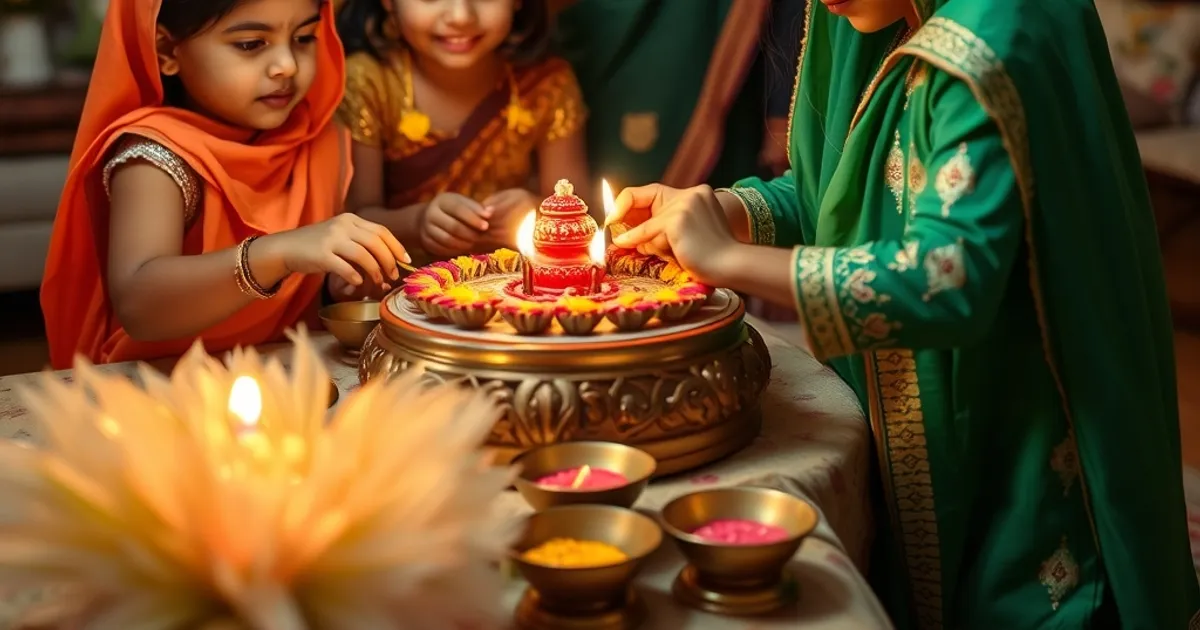
TL;DR: Bloomington, Minnesota, is home to a growing South Asian community with the cultural infrastructure to make Hindu calendar observances genuinely meaningful for kids. Ekadashi on July 24, Pradosh Vrat on July 26, Guru Purnima 2026 on July 29, Purnima on July 29, and Sankashti Chaturthi on August 2 offer a full slate of family-friendly activities for the coming weeks.
Why Bloomington Works for Desi Families
Bloomington is one of the Twin Cities metro's most diverse suburbs, and its South Asian community has deep roots. The combination of Mall of America proximity (useful for family outings), excellent school districts, and a network of Indian groceries, temples, and cultural organizations makes it a solid base for families raising kids between cultures.
The Minnesota South Asian community is particularly active in preserving classical arts traditions — Bharatanatyam, Kuchipudi, Odissi, and Hindustani vocal are all taught here — and many teachers in the broader Twin Cities area organize student performances around major calendar observances. For Bloomington families, the weekend of Guru Purnima 2026 typically brings at least a few accessible performances.
This Month's Calendar: Five Observances in Two Weeks
Ekadashi — July 24 (Thursday) Ekadashi's weekday timing makes it more of a home observance this cycle — a day fast, an evening puja, and maybe a temple visit after dinner. For kids, Ekadashi is a good introduction to the concept of a vrat (vow-fast) because it's short, food-focused (fruit and sabudana only), and tied to a story they can understand. Many temples hold an evening bhajan program on Ekadashi.
Pradosh Vrat — July 26 (Saturday) Saturday Pradosh Vrat is the best kind — a full day to prepare and an evening visit to a Shiva temple. Arrange the family trip to the mandir for the abhishek puja, and let young children participate by offering a flower or a bilva leaf at the Shiva linga. The physical ritual of making an offering is the kind of sensory memory that stays with kids.
Guru Purnima 2026 — July 29 (Wednesday) Guru Purnima 2026 is the most significant observance of the month. Even on a weekday, many temples in the Bloomington and Burnsville area organize evening programs — bhajan concerts, guru vandana, or satsang sessions. If your children take music, dance, or yoga classes, their teacher almost certainly observes this day; asking about it opens a conversation about the guru-shishya tradition that can be deeply enriching.
Purnima — July 29 Purnima coincides with Guru Purnima 2026 this cycle. The full moon evening is a simple, beautiful opportunity: step outside after dinner, find the moon together, and tell the children why this particular full moon is one of the year's most auspicious. No planning required, maximum impact.
Sankashti Chaturthi — August 2 (Sunday) Sankashti Chaturthi, Lord Ganesha's monthly fast, falls on a Sunday this time — perfect for a family observance. Many Maharashtrian families make modak together in the afternoon, observe the fast until moonrise, and then break it as a shared meal. For children, the anticipation of moonrise and the sweet reward of modak makes this one of the more memorable observances of the cycle.
Insider Tip: Bloomington's Maharashtrian families often coordinate Sankashti Chaturthi moonrise gatherings in backyards or local parks — informal events that don't get announced publicly but are warm and welcoming if you know someone in the community. Ask at your nearest Indian grocery store whether anyone does a neighborhood Sankashti Chaturthi gathering.
Activities That Work for Different Ages
Toddlers and Preschoolers (Ages 2–5) Focus on sensory participation: helping place flowers in the puja, blowing out diyas under supervision, touching the prasad, hearing the bells. The goal isn't understanding — it's positive association. The smells, sounds, and tastes of puja will become "home" to them over years of repetition.
Early Elementary (Ages 6–9) This is the age to introduce simple explanations. Guru Purnima 2026 can be explained as "teacher's day" — most children this age have a favorite teacher at school or in their activities, making the concept immediately relatable. Let them write or draw a picture for a guru.
Tweens (Ages 10–13) Tweens respond well to stories and history. Ekadashi has a beautiful origin story in the Puranas — reading it together makes the fast feel meaningful rather than arbitrary. For Pradosh Vrat, looking up the legend of Samudra Manthan connects the observance to a story most tweens find genuinely dramatic.
Teens Teens are often more interested than parents expect if they're not pressured. Frame Guru Purnima 2026 as an opportunity to thank someone who has taught them something — in writing, in a visit, or in the way they approach their practice. The gesture often matters more to them than the ritual.
Frequently Asked Questions
Are there Desi children's programs in Bloomington specifically? Yes — weekend cultural and language schools (Hindi, Gujarati, Telugu) operate in the Twin Cities area, many within driving distance of Bloomington. Ask at the temple for referrals.
What's a good first temple visit for a young child? Choose a Sunday morning when the temple is busy — the energy of a full puja is more engaging for children than a quiet weekday visit. Arrive just before the arati if possible.
How do I explain Ekadashi to a curious child? "Today we're eating like our grandparents did on holy days — only simple food — to say thank you and keep our minds clear." Simple, non-preachy, culturally grounding.
Can kids participate in Pradosh Vrat even if the family isn't strictly observant? Absolutely. Attending the evening puja at a Shiva temple on Pradosh Vrat is open to all and requires no special preparation or commitment.
Bottom Line
Bloomington families have a five-observance stretch ahead: Ekadashi, Pradosh Vrat, Guru Purnima 2026, Purnima, and Sankashti Chaturthi. Treat them as a curriculum, not a checklist — each one offers a slightly different window into South Asian heritage that kids can experience hands-on. The Twin Cities Desi community's depth makes each of these moments richer than the calendar date alone.