
Weekend Activities for Desi Kids in Buffalo
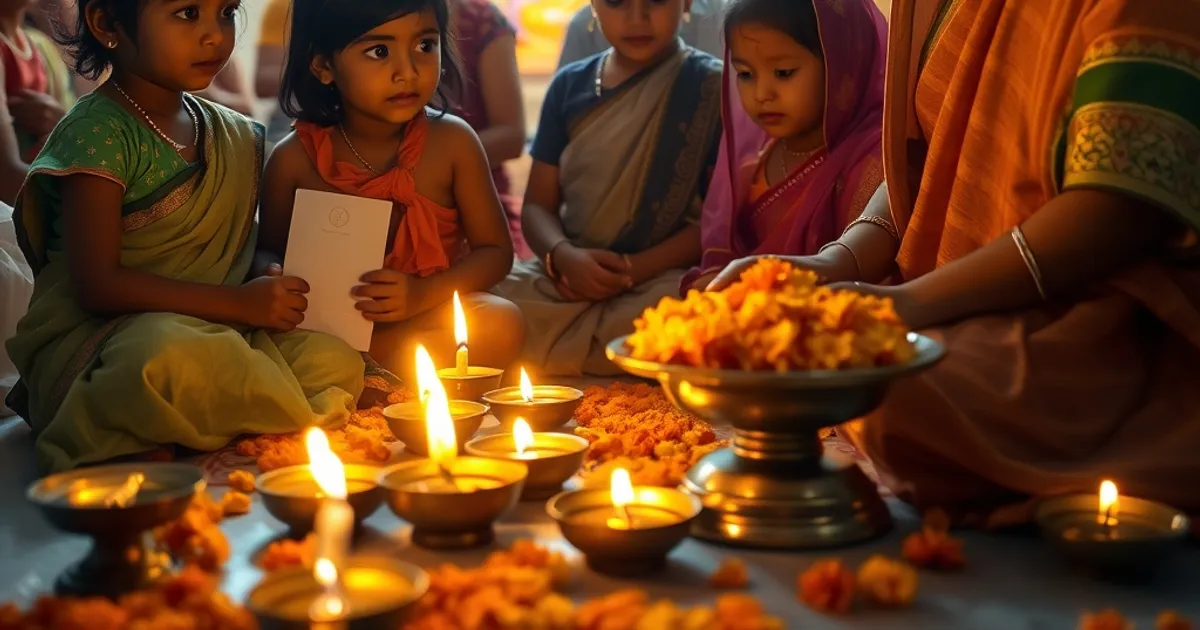
TL;DR
- Guru Purnima 2026 on July 29 is the standout family occasion of the season — take kids to the mandir for the teacher-honoring tradition 🙏
- Pradosh Vrat evenings happen twice a month and are short enough for even young children to sit through
- Nag Panchami 2026 on August 17 captivates kids with vivid folk imagery and stories 🐍
- Sankashti Chaturthi on August 2 centers on Lord Ganesha — a perennial favorite with Desi children
- Buffalo's South Asian families build cultural literacy one observance at a time, weekend by weekend
Weekend Activities for Desi Kids in Buffalo
Why the Festival Calendar Is Your Best Parenting Tool
Raising Indian-American children in Buffalo means working against some real headwinds. Winter is long, the South Asian community is smaller than in major metros, and kids spend their days surrounded by very little that reflects the culture of their grandparents. That gap is real — and it matters. Children who feel connected to their heritage tend to develop a stronger sense of identity and self-confidence as they grow.
The Hindu lunar calendar turns out to be a surprisingly practical answer. It delivers cultural moments throughout the year — roughly two or three each month — that give Desi families a built-in occasion to gather, visit the temple, cook a traditional meal, and tell a story. These are not grand productions requiring weeks of planning. Most are quiet, domestic observances that work perfectly for a Sunday afternoon in Buffalo, regardless of the weather outside.
Here is what the next several weeks look like for Indian-American families in the Buffalo area, and how to make each occasion genuinely meaningful for your children.
Pradosh Vrat: Twice-Monthly Temple Evenings
Pradosh Vrat falls on the 13th lunar day of both the waxing and waning moon. In this season, that means observances on July 26-27, August 10, and continuing through the year. The vrat is dedicated to Lord Shiva, and the evening puja — typically held in the late afternoon — is brief enough that even younger children can sit through it without restlessness.
For South Asian parents in Buffalo, Pradosh Vrat evenings have become informal community gatherings at local temples. Children see familiar faces, hear Sanskrit shlokas, and absorb the rhythm of ritual without being lectured at. There is real value in that. Kids learn through repetition and atmosphere, not just explanation.
If your child is old enough to ask why you are going to the temple on a weekday evening, Pradosh Vrat is an excellent starting point for talking about the lunar calendar, about Shiva, and about why returning to prayer regularly matters in family life. Keep the explanation simple. "We mark this day because our family has always marked it" is a complete and honest answer that children of most ages can hold onto.
Guru Purnima 2026: The Most Meaningful Day of the Season 🎓
July 29 carries Guru Purnima 2026, which also coincides with Purnima — the full moon of the Ashadha month. This convergence makes it one of the most auspicious days of the summer season.
Guru Purnima honors teachers: the sage Veda Vyasa, who compiled the Vedic texts, and by extension every teacher, mentor, and elder who has shaped a student's life. For Desi families in Buffalo with school-age children, this is an extraordinary teaching moment that costs nothing and requires no special preparation.
Consider making Guru Purnima 2026 the occasion when your child writes a letter or makes a small handmade gift for a teacher who made a difference — a music teacher, a dance instructor, a language tutor, or a beloved schoolteacher. The gesture does not need to be elaborate. The point is to name the relationship and honor it consciously, in the way the tradition asks.
At the temple level, Guru Purnima typically involves chanting, aarti, and sometimes a short discourse. Many Indian community centers in the Buffalo area organize cultural programs around this day. The Purnima itself — a full moon in July — is also a good moment for simple rituals with children. Step outside when it gets dark, look up at the sky, and share a story from your own childhood. That is cultural transmission at its most direct.
Sankashti Chaturthi: Lord Ganesha's Monthly Night 🪔
August 2 brings Sankashti Chaturthi, the monthly fast dedicated to Lord Ganesha that falls on the fourth day of the waning moon. Among all the regular monthly observances, this one tends to resonate most powerfully with young children — because Ganesha is the deity children are most drawn to.
His elephant head, his mouse vahana, his love of modaks, his role as the remover of obstacles — these are details that stick in a child's imagination. Sankashti Chaturthi evenings, when families perform Ganesha puja, light a diya, and share prasad of modaks or laddoos, are tailor-made for involving kids at every step. Children can help arrange flowers, prepare the prasad, and join in simple chanting.
For South Asian families in Buffalo, this is also a good occasion to connect with the broader Maharashtrian community in the region, for whom Chaturthi observances carry particular cultural significance.
Nag Panchami 2026: The Observance Kids Remember
August 17 marks Nag Panchami 2026, one of the most visually distinctive festivals of the monsoon season. Nag Panchami is dedicated to serpent deities, drawing from the deep roots of nature worship in Indian folk tradition. Families traditionally offer milk to snake images at the temple, decorate doorways with serpent motifs, and share stories about Ananta Shesha — the cosmic serpent on whom Vishnu rests.
For children, Nag Panchami is one of those festivals that sticks. The imagery is vivid, the stories are dramatic, and the folk art traditions associated with it — particularly in Maharashtra and Karnataka — are genuinely engaging for young hands. Consider spending a Nag Panchami 2026 morning drawing serpent rangoli patterns with your children, or looking at Indian folk art images of the festival together before the temple visit.
Buffalo's temple communities sometimes organize Nag Panchami programming. If yours does not, the home celebration is just as valid. The central story takes about five minutes to tell, and most children ask to hear it again.
Building Cultural Fluency Between Observances
The festival calendar is a framework, not the whole picture. South Asian families in Buffalo keep culture alive for their children through several complementary channels that work alongside the monthly observances.
Language classes: Hindi, Gujarati, Tamil, Telugu, and Punjabi classes exist in the Buffalo metro area through community organizations and cultural associations. Weekend language school is one of the most effective investments you can make for long-term cultural connection — language is the vessel that carries everything else.
Dance and music: Bharatanatyam, Carnatic vocal, tabla, and other classical arts programs are available through Indian cultural organizations in Western New York. Many offer Sunday classes designed around working families' schedules and welcome complete beginners.
Community potlucks and gatherings: The informal gatherings around each festival — where families cook together, share prasad, and let kids play — do more cultural work than formal programming. Children absorb the texture of community simply by being present in it.
Cultural storytelling: Every observance has a story behind it. Guru Purnima has Veda Vyasa. Nag Panchami has Ananta Shesha. Ganesha's story could fill a library. The habit of telling these stories — even imperfectly, even in English — is more valuable than any curriculum.
Insider Tip: The Purnima on July 29 is a natural conversation starter with children who are curious about science. Pull up a moon phase calendar together and explain that the Hindu calendar tracks time by the moon rather than just the sun. Kids who understand the lunar basis of the festival calendar tend to stay connected to it longer — it becomes interesting and systematic rather than arbitrary.
FAQ
Do I need to be strictly religious to observe these dates with my children? No. Many Desi families in Buffalo treat these observances as cultural and family traditions rather than strictly religious duties. A shared meal, a story, or a 30-minute temple visit counts as meaningful participation.
What if our local temple does not celebrate all of these? Home observance is fully valid. Light a lamp, say a simple prayer, cook a traditional dish, and tell your children what the day is about. The temple visit is an enhancement, not a requirement.
How do I explain the lunar calendar to my kids? Start with the visible moon. On Purnima and Amavasya, go outside and look up. Explain that the Hindu calendar uses moon phases to mark time. Most children find this genuinely fascinating when framed as a different kind of astronomy.
Are these observances specific to one region of India? Many are pan-Indian, though specific practices vary by regional background. Guru Purnima 2026, Sankashti Chaturthi, Pradosh Vrat, and Nag Panchami 2026 are all broadly observed across Hindu communities regardless of regional origin.
My kids were born here and find these observances unfamiliar. Where do I start? Start with the most visually engaging ones: Nag Panchami for the folk art and stories, Sankashti Chaturthi for the Ganesha connection, Purnima for the full-moon astronomy angle. Build the habit of observation first — understanding follows naturally.
Bottom Line
Buffalo may not have a Little India on its street map, but the lunar calendar does not care about geography. Every Pradosh Vrat evening, every Guru Purnima, every Nag Panchami arrives on schedule and gives Indian-American families in Buffalo exactly the same cultural anchor it gives families anywhere else in the world. The work is simply to show up — at the temple, at the kitchen table, or under a full moon — and let your children see that this matters to you. That is how culture travels across generations.