
Weekend Activities for Desi Kids in Carteret
TL;DR
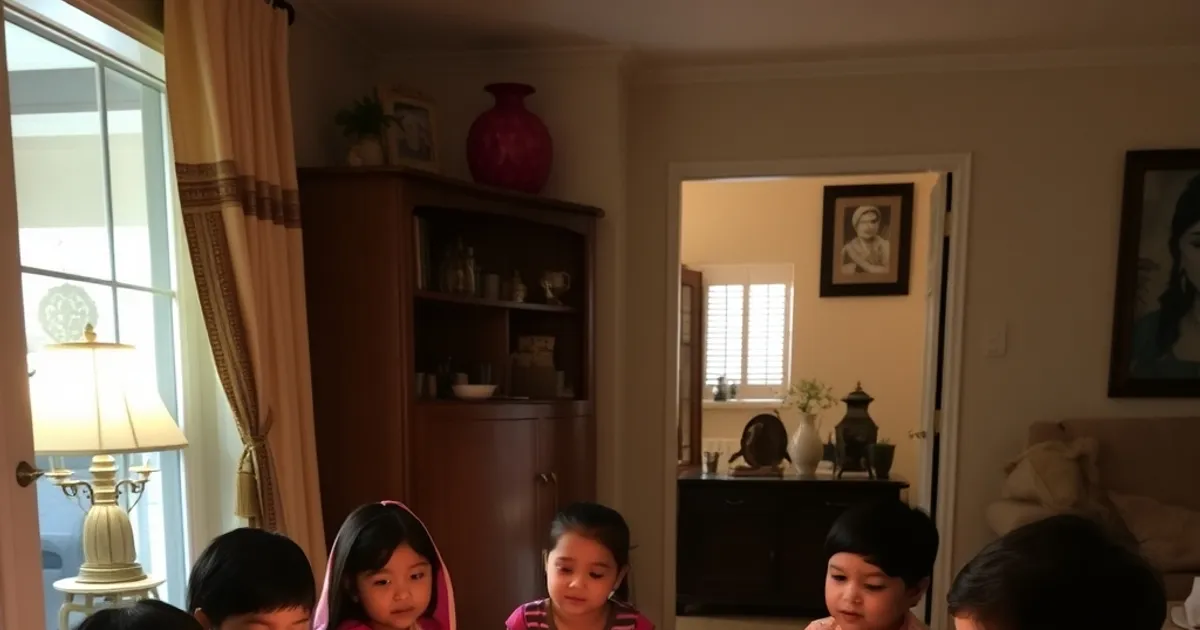
- 🤝 Carteret, NJ has a close-knit Desi community where Hindu observances bring families together in home gatherings and community spaces
- 📅 Ekadashi on July 24, Pradosh Vrat on July 26–27, and Guru Purnima 2026 on July 29 give families a full week of activity
- 🌕 The Purnima full moon on July 29 is a natural family occasion for moon-watching, shared meals, and cultural storytelling
- 🕉️ Sankashti Chaturthi on August 2 closes the observance stretch with Ganesha-centered family activities
- 🎨 In a smaller borough like Carteret, kids' activities around these days tend to be intimate and hands-on rather than large-scale productions
Carteret's Desi Community: Small Borough, Strong Roots
Carteret is not a large city, but its Desi community punches above its weight. The borough in Middlesex County has attracted South Asian families — particularly Tamil, Telugu, and other South Indian communities — who have built a genuine neighborhood life here. The community organizations, religious spaces, and social networks that exist in Carteret reflect years of deliberate community-building by families who chose this borough and invested in it.
For families with children in Carteret, the summer months bring a natural opportunity to deepen children's connection with Hindu traditions. The late July and early August observance calendar offers a structured series of occasions for family and community activities that do not require elaborate planning or expensive programs.
What makes Carteret distinctive is the scale and intimacy. Unlike Desi communities in major metro centers, the Carteret community is small enough that community events feel personal. When families gather for a Purnima dinner or a Sankashti Chaturthi puja, they are likely to be among neighbors and people they already know. For children, this intimacy is formative — these are not anonymous events but gatherings with real relationships at their center.
Ekadashi on July 24: Teaching Kids the Art of Mindful Eating
Ekadashi falls on July 24, and for many Desi families in Carteret it is a day that begins in the kitchen. The Ekadashi diet — focused on fruits, nuts, dairy, and specific vegetables while avoiding grains — is distinctive enough to capture children's interest, especially when framed as a food adventure rather than a day of restriction.
Parents in Carteret have developed various strategies for making Ekadashi meaningful for children at different ages. For younger children, the story of why Ekadashi is observed can be told in simple terms: it is a day when the body and mind rest together, when the family eats differently to honor a tradition that connects them to millions of people across generations and across the ocean.
For older children, Ekadashi can open conversations about digestion, nutrition, and the relationship between diet and mental clarity — conversations that carry practical value far beyond the religious context. Many families report that children who observe Ekadashi from a young age carry the practice forward voluntarily as they grow.
Evening bhajan sessions or quiet reading of devotional stories are gentle ways to close the day. In Carteret, where neighbors often know each other well, Ekadashi evenings sometimes become informal gatherings, with families sharing Ekadashi-friendly dishes and songs.
Pradosh Vrat: Bringing Shiva's Twilight Ritual Home
Pradosh Vrat falls on both July 26 and July 27 this period. In Carteret, where the community is smaller than in larger NJ suburban centers, Pradosh Vrat is frequently a home-centered observance. This works in favor of children's engagement — home puja is participatory in a way that large temple settings sometimes are not.
A Pradosh Vrat home puja can involve children at every step: preparing the puja space, arranging flowers and a lamp, lighting incense, and participating in the prayers at twilight. For children who are learning mantras or devotional songs, Pradosh Vrat provides a low-pressure setting to practice. For children who have not yet begun any formal religious education, it is an accessible first experience of structured puja practice.
The mythology of Pradosh Vrat — particularly the story of Shiva receiving devotees at the twilight hour while the world pauses between day and night — can be shared as a bedtime story on either of the two evenings. Having the Vrat across two consecutive days also gives families flexibility: if one evening is disrupted by summer activities, the second evening provides another opportunity for the ritual.
Guru Purnima 2026: Community Gathering and Child-Centered Celebration
Guru Purnima 2026 on July 29 is the most community-oriented day in this observance stretch, and the coinciding Purnima (full moon) makes it particularly suitable for family events. In Carteret, community members often coordinate informal Guru Purnima gatherings — shared meals, group bhajans, or potluck dinners where families come together in someone's home or in a shared community space.
For children, Guru Purnima in Carteret tends to take a personal form. Many children who are studying music, dance, or language with a teacher in the community are encouraged to honor their guru on this day — a card, a small gift, or a sincere verbal acknowledgment. This makes the abstract concept of the guru-shishya relationship concrete and personal in a way that a formal event cannot.
The full moon of July 29 is a natural outdoor activity for Carteret families with young children. Going outside after dark to see the Purnima moon, accompanied by a brief explanation of why the full moon is significant in Hindu tradition, is a simple and memorable way to mark the occasion. Children who have watched the Purnima moon with their families for years often report it as one of their clearest early memories of Hindu observance.
Families who observe Guru Purnima in Carteret often describe the day as one of the warmest of the summer calendar — not a heavy or demanding occasion but a day of gratitude, community connection, and shared warmth.
Sankashti Chaturthi: Ganesha Day Across Generations
Sankashti Chaturthi on August 2 is the final observance in this stretch, and it has particular resonance for multi-generational Desi households — of which there are many in Carteret. Ganesha is the deity who bridges generations most naturally: grandparents who grew up with elaborate Ganesh Chaturthi celebrations bring a different knowledge to the day than younger family members, and Sankashti Chaturthi is an occasion when those different streams of knowledge and practice can meet.
Activities for children on Sankashti Chaturthi in Carteret often center on modak preparation. Making the traditional steamed or fried rice flour dumplings together is a tactile, sensory activity that children enjoy and remember across years. The act of making an offering to Ganesha — even a simple home puja with a handmade modak — gives children a sense of agency and participation that is important for the long-term transmission of cultural practice.
Storytelling is equally central to Sankashti Chaturthi in the family setting. Ganesha's stories — the famous race around the universe between Ganesha and Kartikeya, the story of how he lost his tusk, his role at the beginning of every new endeavor — are perennial favorites that children can hear again and again, finding new dimensions of meaning as they grow.
Insider Tip: In Carteret's Desi community, the most enriching children's activities around these observances often happen informally — one family inviting another family's children for an Ekadashi lunch, or a group of neighbors gathering in someone's home for Guru Purnima bhajans. The most direct way to plug into this network is to introduce yourself at the nearest South Asian grocery or community temple space and mention that you are looking to connect around the observance calendar. The community in Carteret is small enough that word travels quickly.
Making the Most of a Packed Summer Calendar
Late July and early August can feel like a lot if every observance is treated as a major production. In practice, Carteret's Desi families tend to approach this period pragmatically — some observances receive full family attention, others are observed more quietly at home. The goal is not to check off every ritual but to maintain the pattern of returning to these occasions year after year.
For children, even partial engagement with Ekadashi, Pradosh Vrat, Guru Purnima 2026, and Sankashti Chaturthi across successive years builds a cumulative relationship with these traditions. The specifics of any single year matter less than the consistency of the practice across years. A child who has observed these days six or seven times by the age of twelve has internalized something real.
FAQ
Are there dedicated South Asian temples in Carteret, NJ? The greater Middlesex County area has several Hindu temples serving Tamil, Telugu, and North Indian communities. Carteret families often travel short distances to access these facilities for major observances.
How can I make Ekadashi engaging for a child who resists dietary changes? Focusing on what children can eat — fruit salads, nut preparations, dairy desserts — rather than on restrictions tends to be more effective. Framing it as a special food day rather than a fasting day helps significantly.
Is Guru Purnima 2026 a school holiday? No. July 29 falls during summer break for most New Jersey school districts, which makes it practically easy for families to observe without conflicts.
What age do children typically start participating in Pradosh Vrat puja? Children can participate in simple ways from age three or four — lighting a lamp, placing a flower, sitting quietly during puja. These are accessible entry points that carry meaning even for very young children.
Bottom Line
Carteret's Desi families have a full week of meaningful observances ahead: Ekadashi on July 24, Pradosh Vrat across July 26–27, Guru Purnima 2026 and Purnima on July 29, and Sankashti Chaturthi on August 2. In a close-knit community like Carteret's, these occasions are best experienced through the informal networks that make this borough's South Asian community distinctive — home gatherings, neighbor invitations, and the kind of community that forms when families know each other by name.