
Desi Events & Festivals to Catch in Chantilly
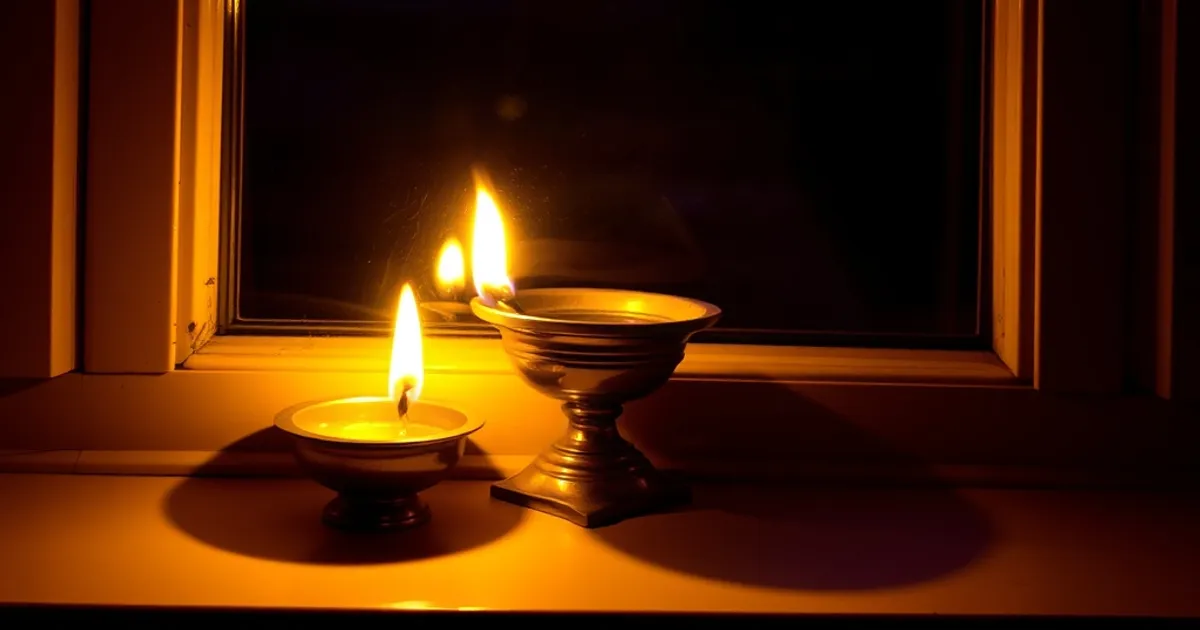
For South Asian families in Chantilly, our festivals and observances are more than dates on a calendar—they're living threads connecting our diaspora home to our roots, creating shared rhythm and meaning in our Northern Virginia lives. While grand melas in DC make headlines, it's the local, quieter observances that often weave the most consistent cultural fabric right here in our community.
TL;DR
- 📅 Mark your July/August calendar for Ekadashi (Jul 24), back-to-back Pradosh Vrat (Jul 26-27), and the significant Guru Purnima/Purnima (Jul 29).
- 🙏 Community observance varies—some fast individually, while families may gather for evening pujas or satsangs in local homes.
- 🕉️ Sankashti Chaturthi (Aug 2) offers a midweek spiritual pause, especially meaningful for Ganesha devotees.
- 🏠 Hyper-local is key—Chantilly's diaspora experience often centers home-based practice and word-of-mouth community connection.
The Quiet Pulse of Chantilly's Desi Spiritual Calendar
You won't find massive tents or loudspeaker announcements for most of these observances in Chantilly. That's precisely the point. Our community's religious life here often follows a different, more intimate model than what you might recall from back home. Ekadashi, Pradosh Vrat, Purnima—these are the steady beats in the heart of our diaspora spirituality. They're observed in living rooms turned into temporary temples, in quiet morning fasts before heading to work in Fairfax County, and in the subtle adjustments to our daily routines that remind us who we are. This isn't about spectacle; it's about sustaining a connection that travels well across oceans and generations.
Understanding July's Cluster of Observances
Let's break down what's coming up, because even the names can be confusing if you're new to the practice or trying to explain them to your ABCDs.
Ekadashi (July 24) falls on the eleventh lunar day. For many Vaishnavas and Hindus who observe it, this is a day of fasting—often from grains and beans—and increased devotion, typically dedicated to Lord Vishnu. It's a monthly reset, a spiritual cleanse. In Chantilly, you might find someone observing it strictly with water-only, while another does a partial fast, and yet another simply commits to extra prayer time. All are valid in our diaspora context where school schedules and work meetings don't pause.
Pradosh Vrat (July 26 & 27) is interesting—it appears twice this month, corresponding with different calculations (one for Krishna Paksha and one for Shukla Paksha). "Pradosh" refers to the twilight period, and this vrat is dedicated to Lord Shiva. The ideal time for puja is during that brief, beautiful window just as day yields to night. It's a poetic practice, aligning worship with a specific quality of light. For working families here, that might mean a slightly early dinner or a gathered puja right after getting home, catching that twilight through our Virginia windows.
Guru Purnima & Purnima (July 29) converge beautifully this year. Purnima is the full moon, a time many consider auspicious for completion and reflection. Guru Purnima elevates that day into one of gratitude toward teachers, mentors, and spiritual guides. In a place like Chantilly, far from traditional ashrams, this might translate into calling your old music guru back in India, thanking a professor, or honoring a community elder who's guided your family's settlement here. It's a day to acknowledge the chain of knowledge that sustains us.
The Practicalities of Observance in Northern Virginia Life
How do you actually do this in Chantilly? The first rule: be kind to yourself. Diaspora practice is adaptive.
For fasting days like Ekadashi or Sankashti Chaturthi, plan ahead. A fasting day doesn't have to be a low-energy day. Local Indian grocery stores are stocked with sabudana (tapioca pearls) for khichdi, singhare ka atta (water chestnut flour) for rotis, and fruits like bananas and nuts that are common fasting foods. Prepare something the night before if you have an early commute. The fast is meant to lighten your spirit, not cripple your productivity.
For puja or gathering occasions like Pradosh Vrat, the challenge is often space and community. Many families create a small shrine in a quiet corner. The puja doesn't need to be elaborate; consistency and sincerity matter more. If you wish to gather with others, this often happens through community networks—your apartment complex's Desi families, your child's school's Indian parent group, or connections from the local temple communities in nearby Centerville or Sterling. Ask around; someone is almost certainly observing too.
💡 Desi Insider Tip: For Pradosh Vrat, don't stress if you can't perform puja at the exact twilight moment. The core intention is honoring Shiva during that "sandhya" period. Set a phone reminder for 7:30 PM (approx. summer twilight here), pause whatever you're doing—even if it's helping with homework or finishing dishes—light a diya if you can, or simply close your eyes for a minute of gratitude. It's the mindful pause that creates the sacred space, not a perfect ritual.
Sankashti Chaturthi: A Midweek Pause for Ganpati Bappa (Aug 2)
Sankashti Chaturthi arrives on a Wednesday in August, a classic midweek spiritual checkpoint. Dedicated to Lord Ganesha, this is observed on the fourth day of the Krishna Paksha (waning moon). Many devotees fast from sunrise until moonrise. The key moment is spotting the moon and then breaking the fast after offering prayers. In Chantilly, check the moonrise time (easily found via a weather app)—it's often after 8:30 PM in early August. This can make for a long fasting day, so plan a light evening after moon sighting. It's a beautiful practice to do with children, turning moon-sighting into a family ritual on the driveway or balcony.
Building Your Local Festival Network
Since many of these observances lack central, public venues in Chantilly itself, your personal network becomes your temple. Connect with other parents at Chantilly Library's story time, at the soccer fields off Stringfellow Road, or in the aisles of your favorite Indian grocery. A simple "Are you observing Ekadashi this week?" can open doors to shared practices, potluck breaking-of-fast meals, or recommendations for where to find specific puja items. Our community here is a tapestry of traditions—someone might have a beautiful simplified version of the Pradosh puja they learned from their grandmother, perfect for our busy lives.
FAQ
Q: Are there public gatherings in Chantilly for these festivals? A: Typically not for these specific lunar observances. They are primarily home-based. Larger public gatherings in our area tend to be for major festivals like Diwali, Holi, or Navratri, often organized by cultural associations or temples in neighboring towns.
Q: I'm new to this. How do I start observing? A: Start small. Pick one observance, like the upcoming Guru Purnima. Express gratitude to a teacher. Light a lamp. Next month, try a partial fast on Ekadashi. The goal is mindful integration, not overwhelming perfection.
Q: Where can I get puja supplies in Chantilly? A: Several Indian grocery stores in the area carry basic items like diyas, incense, camphor, and framed deity pictures. For specific items, you may need to visit larger stores in nearby Centerville or Fairfax.
Q: My kids ask 'why are we doing this?' How do I explain? A: Frame it in values: "Today we fast to practice self-control and remember what's important." "We look at the moon together to remember we're all under the same sky, even far from India." Keep it simple and experiential.
The Bottom Line
Chantilly's Desi spiritual life is a mosaic of quiet, resilient practices. The upcoming lunar observances from July 24 through August 2 offer a perfect opportunity to tap into that rhythm, right here in our own homes and hearts. You don't need a mandir on every corner to keep the connection alive—just intention, a little planning, and perhaps a shared word with a neighbor. These dates are anchors in our year, reminding us that our culture travels with us, adapts with us, and grows with us in this new soil.
We'd love to hear how your family observes these days in Chantilly. Share your stories and tips with your local community on Desi.Net—because our best resource is always each other.