
Weekend Activities for Desi Kids in Chesterfield
TL;DR
- 🗓️ July and August pack eight Hindu observances into roughly three weeks for Chesterfield's Desi families
- 🌕 Guru Purnima 2026 and Purnima coincide on July 29 — the month's most significant date for honoring teachers
- 🐍 Nag Panchami 2026 on August 17 offers mythology-rich storytelling perfect for kids of all ages
- 🙏 Pradosh Vrat appears on both July 26 and August 10, giving families two bookend occasions for Shiva-focused prayer
Keeping Indian kids connected to cultural roots while living in Chesterfield, Missouri, takes some planning — but this summer's Hindu calendar makes it considerably more manageable than you might expect. Whether your household observes strictly or simply likes to acknowledge the occasions, the dates stacking up between now and mid-August give Desi parents a ready-made framework for weekend learning, family rituals, and community connection.
This guide walks through the upcoming observances and offers practical angles for making them meaningful for younger members of the family.
Why the Hindu Calendar Is a Teaching Tool 🌙
The Hindu lunar calendar is a living curriculum. Each observance carries mythology, astronomy, seasonal awareness, and values that translate well into weekend activities for kids growing up far from their heritage cities.
Pradosh Vrat, which falls on July 26 this cycle, is observed on the thirteenth lunar day — Trayodashi — of both the waxing and waning moon phases. For kids, explaining why the same observance appears twice in a single month (July 26 and then again August 10) opens up conversations about the lunar calendar itself. Pull up a moon-phase calendar together and track the cycle over several weeks. What starts as a question about why Pradosh Vrat repeats becomes an ongoing science-and-culture project that builds across the summer.
Sankashti Chaturthi, arriving August 2, is associated with Lord Ganesha and is one of the most broadly observed monthly fasts in South Asian households. Kids who know the Ganesha stories — the broken tusk, the race around the world, the modak — have something tangible to connect this date to. Consider pulling out illustrated story books the evening before, or watching an animated retelling of the Ganesha Purana together as a family. The story gives the fast a face, and the fast gives the story a purpose.
Ekadashi lands on August 8, the eleventh lunar day. Many households mark this with a simplified fast or a dietary shift toward fruit and dairy. For older kids, this is a chance to understand fasting not as deprivation but as a form of mindful eating — a lesson with staying power well beyond any single weekend.
Guru Purnima 2026: The Standout Date 🌕
July 29 brings two overlapping observances: Guru Purnima 2026 and Purnima, the full moon day itself. This combination makes it the most culturally significant date on this month's calendar for Desi families in Chesterfield.
Guru Purnima is traditionally the day to honor one's teachers — spiritual, academic, or otherwise. The tradition traces back to the sage Vyasa, who is believed to have been born on this day and who organized the Vedas and composed the Mahabharata. Over centuries, the observance expanded to honor any teacher-student relationship, which gives it remarkable flexibility across households and backgrounds.
For children, this framing translates remarkably well into something they already understand: appreciating the people who teach them things. Have your kids write a short note or draw something for a music teacher, sports coach, or elder who has guided them. The act reinforces the cultural concept while grounding it in their daily experience. It's genuinely moving when a child makes that connection on their own.
The full moon on Purnima nights is also simply beautiful. Even a modest backyard moon-viewing session — with chai and homemade sweets — turns the evening into a memory. The combination of Guru Purnima 2026 and Purnima on the same date means July 29 is worth building an entire day's activities around.
Consider connecting with other Desi families in Chesterfield for an informal gathering. You don't need a formal event space. A neighborhood park or someone's backyard works fine. The point is community, and the occasion is already there.
Nag Panchami 2026 and the Power of Mythology
August 17 marks Nag Panchami 2026 — the festival dedicated to serpent deities in the Hindu tradition. For kids, this is one of the most story-rich dates on the entire calendar.
The Mahabharata and the Puranas are full of Naga lore: Shesha who holds up the cosmos, Vasuki used as a churning rope during the Samudra Manthan, and Lord Krishna's legendary encounter with Kaliya in the Yamuna river. These stories are gripping for children of all ages, and Nag Panchami 2026 is the perfect hook to introduce them.
Regional traditions around Nag Panchami also vary considerably across South Asia, which gives families from different states — Maharashtra, Karnataka, Rajasthan, Bengal — a chance to share their own versions of how the day is observed. This is one of those observances that naturally sparks conversation about India's regional diversity, something especially valuable for Desi kids growing up in Missouri who may know their own family's tradition but not the broader spectrum.
This variety becomes the activity itself. Gather the family, ask each adult about how Nag Panchami was observed in their hometown growing up, and let the kids compare. The differences are as illuminating as the commonalities.
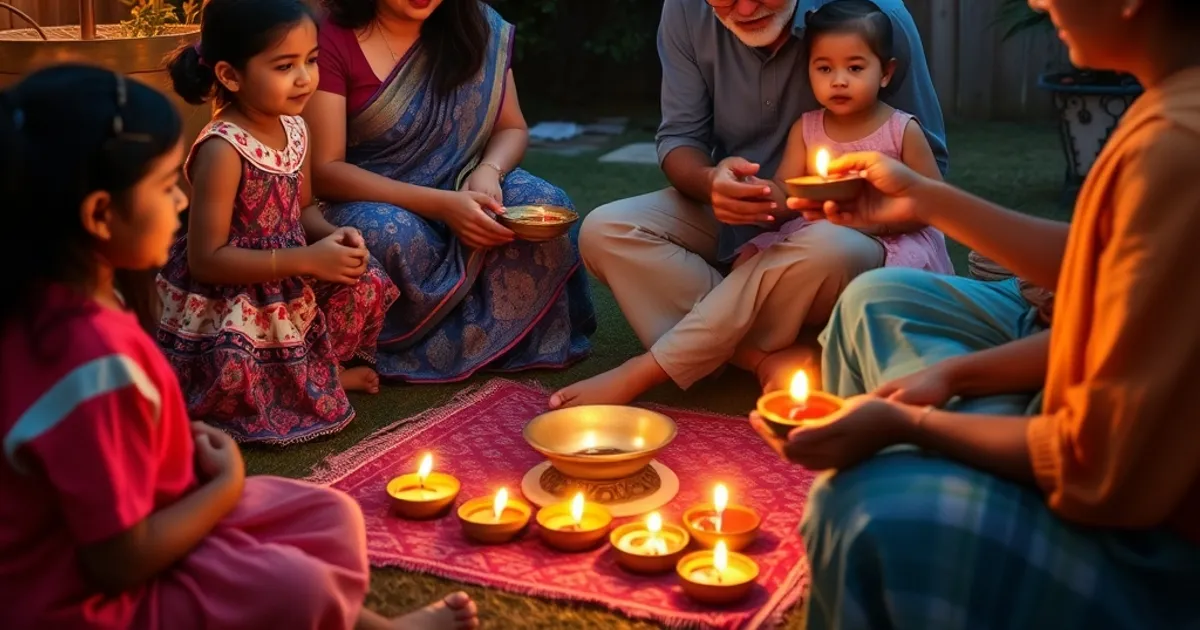
Insider Tip: Mark all the recurring dates — both Pradosh Vrat occurrences (July 26 and August 10), Purnima and Amavasya (August 12) — on a shared family calendar and use them as anchor points for small rituals. Even something as simple as lighting a diya and saying a brief prayer together takes under five minutes but gives kids a felt sense of the lunar rhythm. Over months and years, that accumulation matters more than any single elaborate event.
Building a Monthly Rhythm in Chesterfield
One underappreciated aspect of the Hindu calendar for diaspora families is its built-in cadence. This month alone, Pradosh Vrat bookends the cycle: July 26 and August 10. Amavasya — the new moon — falls August 12. Guru Purnima 2026 lands on the full moon. Sankashti Chaturthi and Ekadashi slot into the stretch between. Nag Panchami 2026 closes the sequence on August 17.
That's eight distinct dates across roughly three weeks. Not every family will observe all of them, and that's entirely fine. But selecting two or three to mark in some small way creates a rhythm that kids internalize without being told to. The pattern becomes part of their sense of time — not just the school week and American holidays, but the lunar calendar their ancestors lived by for generations.
For Chesterfield's Desi community, which spans families from Gujarat, Maharashtra, Andhra Pradesh, Tamil Nadu, Punjab, and beyond, these shared calendar dates become common ground. A child who knows what Guru Purnima is can connect with a classmate's grandmother who comes from a completely different region but honors the same occasion. That kind of connection is exactly what diaspora communities sustain themselves on.
FAQ
What is Pradosh Vrat and why does it appear twice this month? Pradosh Vrat is observed on the Trayodashi tithi, the thirteenth lunar day, which occurs twice per lunar month — once during the waxing phase and once during the waning phase. This cycle, those dates fall on July 26 and August 10.
Is Guru Purnima 2026 appropriate to celebrate with non-Hindu friends? Yes. The concept of honoring teachers and mentors is universal, and many families invite neighbors and friends from different backgrounds to participate. The day is inclusive in spirit and has been observed in Buddhist and Jain traditions as well.
What is Amavasya, and how is it typically observed? Amavasya is the new moon day, falling this month on August 12. It is traditionally associated with remembrance of ancestors. Many families offer water rituals or prepare particular foods in memory of those who have passed. It carries a quieter, more inward energy than the festival days.
How can I help my kids understand Sankashti Chaturthi? The easiest entry point is through the Ganesha stories. Chaturthi observances are tied to Lord Ganesha, so reading illustrated versions of his mythology the night before gives children a narrative connection to the day. The story of the broken tusk is a particular favorite among younger kids.
Bottom Line
Chesterfield's Desi families have a genuinely packed cultural calendar between now and mid-August. Guru Purnima 2026 on July 29 is the centerpiece, but Pradosh Vrat, Sankashti Chaturthi, Ekadashi, Amavasya, and Nag Panchami 2026 each carry their own weight. The goal for parents isn't to observe everything perfectly — it's to make the calendar visible, to tell the stories, and to give kids the touchstones they'll carry forward. Chesterfield is a long way from any ancestral village, but the moon rises here too, right on schedule.