
Concerts & Cultural Shows Coming to Chittagong
TL;DR
- Guru Purnima 2026 (Jul 29) marks a significant day for Chittagong's Hindu community with temple programs and evening gatherings 🌕
- Nag Panchami 2026 (Aug 17) brings folk performances rooted in the distinctly Bengali Manasa Devi tradition
- Sankashti Chaturthi (Aug 2) and Amavasya (Aug 12) anchor a calendar running from late July through mid-August
- Chittagong's Bengali Hindu cultural tradition is locally evolved over generations, not a transplant from elsewhere
- This guide covers what each observance looks like for Chittagong's Hindu families and what cultural programming surrounds it
Chittagong’s Cultural Calendar
Chittagong — also known as Chattogram — is Bangladesh's second largest city and its most important port. The city's Hindu population, part of the country's minority community of roughly 8-10% of the national total, has deep roots in Chittagong's history. Long before Partition reorganized the subcontinent, Chittagong was home to an established Bengali Hindu cultural and commercial community, and those roots persist today through temples, puja committees, and active cultural organizations.
The late July and August observance calendar is one of the most concentrated periods of the year for Chittagong's Hindu families. Starting with Guru Purnima 2026 on July 29 and running through Nag Panchami 2026 on August 17, the weeks are filled with temple programs, community gatherings, and cultural shows that reflect a Bengali Hindu tradition distinct from practices elsewhere in South Asia.
Chittagong's cultural scene in this tradition is not a transplant — it is a Bengali heritage with its own lineage, evolved in the specific geography and social context of what is now Bangladesh. The music, the style of puja, and the community organization all carry local characteristics developed over generations.
The Observances and Their Cultural Programming
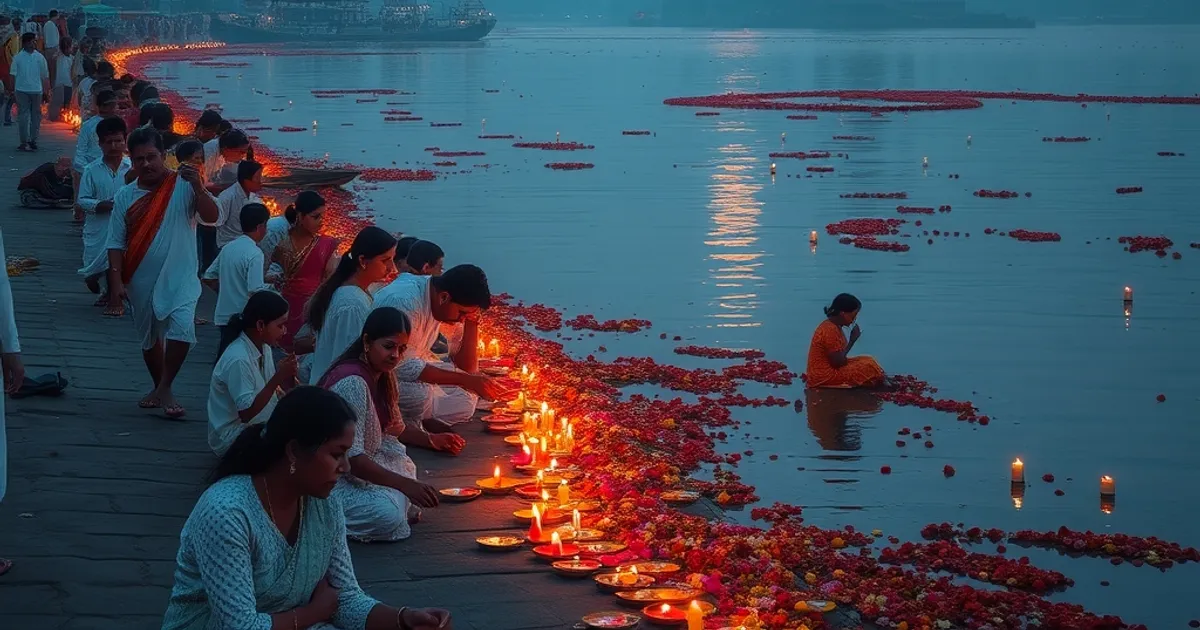
Guru Purnima 2026 falls on July 29, sharing the date with Purnima — the full moon. Chittagong's temple community organizes programs for both: guru-disciple ceremonies, bhajan sessions, and community meals that mark the occasion. The full moon night is particularly important in the Bengali Hindu calendar, and Purnima celebrations in Chittagong often include lamp-lighting ceremonies at the waterfront, where families gather to offer prayers near the Karnaphuli River.
Sankashti Chaturthi on August 2 draws Ganesha devotees across Chittagong's Hindu neighborhoods. Morning and evening temple programs, accompanied by bhajan singing and prasad distribution, mark the day. The moonrise ritual remains the central family-level observance — community members fast until they sight the moon, then break fast together, often in temple courtyards shared by neighbors.
Ekadashi on August 9 is a fasting day for Vaishnava families in Chittagong. Kirtans and Bhagavata sessions organized by local communities provide the cultural programming around this date. These are more intimate gatherings — neighborhood-level, organized by families who have maintained Ekadashi practice across generations even as the surrounding demographic landscape has shifted.
Amavasya on August 12 — the new moon — is a day for ancestral remembrance. Chittagong's river geography gives this observance a particular setting: the Karnaphuli and the coastal proximity mean that families observe ritual bathing and tarpan at waterside locations that have been used for generations. Community programs on this date are quiet and reflective, honoring the continuity that the community maintains across time.
Nag Panchami 2026 on August 17 is among the most colorful events of the summer. Folk performances, snake deity worship at local temples, and community meals mark the day across Chittagong's Hindu neighborhoods. The Bengali folk tradition around Nag Panchami centers on Manasa Devi worship — the serpent goddess particularly associated with Bengal — giving the Chittagong celebration a distinct local character that connects it to a specifically Bengali spiritual and folk tradition going back centuries.
Insider Tip
Chittagong's Hindu cultural programs are largely organized through temple networks and neighborhood-level puja committees. Nag Panchami 2026 programs, in particular, are worth finding — the Manasa Devi folk tradition in Bengali Hindu communities produces distinctive music and performance styles not easily encountered elsewhere. Connecting with temple communities directly is the most reliable way to learn what is planned.
The Music and Performance Tradition
Bengali Hindu cultural programming in Chittagong draws on a deep musical tradition. Kirtan — both the Vaishnava padavali form and more contemporary baul-influenced styles — features heavily in programs around Guru Purnima 2026 and Ekadashi. Classical music, particularly the Dhrupad and Khayal traditions maintained by Bengali Hindu families, appears at more formal programs organized by cultural associations operating in the city.
Folk music around Nag Panchami 2026 takes a different form: Manasa Devi songs, called Manasha Mangal in the Bengali tradition, are performed at temple programs by singers who have maintained this specialized folk repertoire. These performances are among the most locally specific aspects of Chittagong's cultural calendar — connected directly to the Bengali literary and folk tradition with roots stretching back through medieval Bengali literature.
Theater has historically been part of Bengali Hindu cultural life, and some community organizations in Chittagong still stage jatra (folk theater) performances around major festival dates. The August calendar, running from Guru Purnima 2026 through Nag Panchami 2026, sometimes includes jatra evenings that draw significant neighborhood audiences.
FAQ
Q: How is the Hindu community organized in Chittagong? Through temple trusts, puja committees, and cultural associations that operate at the neighborhood level. These organizations manage the festival calendar and cultural programming independently.
Q: Is Nag Panchami 2026 a public or private event in Chittagong? It has public dimensions — temple programs and community gatherings in Hindu neighborhoods are open. The Manasa Devi folk tradition includes outdoor performances at temple grounds.
Q: What makes Chittagong's cultural tradition distinctly Bengali? The Manasa Devi and Nag Panchami tradition, the padavali kirtan form, the jatra theater heritage, and the puja calendar reflect Bengali Hindu practice developed in this specific region.
Q: Are programs accessible during Amavasya? Amavasya is primarily a family observance, but some temple communities organize group tarpan programs at waterside locations. Chittagong's river geography makes these settings particularly significant.
Q: Is cultural programming continuous throughout this period? The largest programs cluster around Guru Purnima 2026, Nag Panchami 2026, and Sankashti Chaturthi. Ekadashi and Amavasya events tend to be smaller and neighborhood-focused.
Bottom Line
Chittagong's Hindu community maintains an active and deeply rooted cultural calendar through the late July and August period. Guru Purnima 2026 and Nag Panchami 2026 are the major anchors, with Purnima, Sankashti Chaturthi, Ekadashi, and Amavasya filling the weeks between. The Bengali Hindu tradition in Chittagong is not a diminished version of a tradition practiced elsewhere — it is its own thing, shaped by this city's specific history, geography, and community. The Manasa Devi folk tradition, the kirtan repertoire, and the river-centered ritual practices give Chittagong's cultural calendar a character that reflects this community's long presence in this place.