
Diwali at QEII Park and Holi Nationwide as Christchurch's South Asian Community Celebrates and Reflects
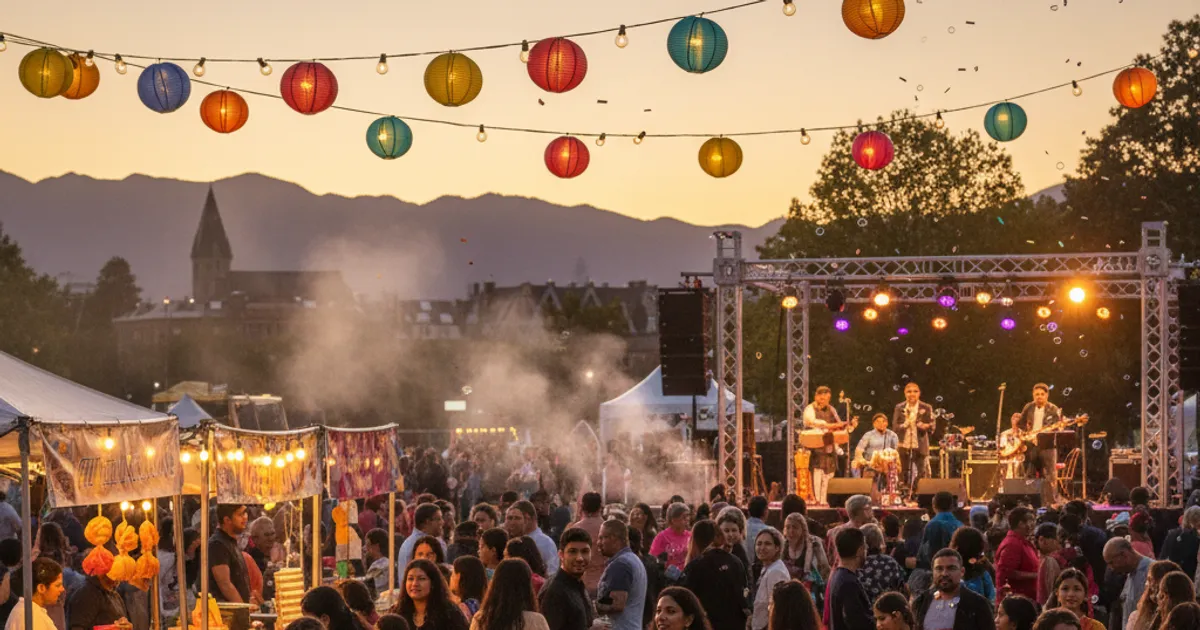
Christchurch and New Zealand's South Asian community have been marking their festive calendar with considerable energy, with Diwali drawing over a thousand celebrants to Queen Elizabeth II Park in October 2025 and Holi celebrations drawing more than 7,000 people across Auckland and Tauranga in early 2026. Beyond the festivals, the community's story in Christchurch also carries the weight of tragedy, as the 2019 mosque attacks claimed the lives of Indian immigrants who had come to build new lives in New Zealand.
🎉 Diwali Returns to Queen Elizabeth II Park in Christchurch
More than 1,000 people celebrated Diwali at Queen Elizabeth II Park in Christchurch in late October 2025, making the event one of the city's largest annual South Asian cultural gatherings. Organized by the Indian Social and Cultural Club of Christchurch, the festival featured food stalls, art displays, and stage performances highlighting the richness of Indian culture. Audiences were treated to classical Indian dance routines, colorful costumed performances, and Bollywood numbers that kept the atmosphere energetic through the evening. Diwali, the ancient Festival of Lights typically observed in October or November, marks the triumph of light over darkness and the arrival of the harvest season. For the South Asian community in Christchurch — which includes growing numbers of Indian, Fijian-Indian, Nepali, and Sri Lankan families — the annual Diwali event functions as both a religious observance and a cultural outreach opportunity, giving the wider New Zealand public a window into South Asian traditions. The Indian Social and Cultural Club has been a consistent organizer of Diwali festivities in the city, drawing support from local government and community volunteers. Attendance has grown steadily year on year, reflecting Christchurch's increasingly multicultural character and the growing confidence of South Asian residents in sharing their heritage with the broader city population. [5]
🎉 Holi Draws Over 7,000 Across New Zealand as South Asian Communities Celebrate
The Holi festival brought more than 7,000 people together at one of Auckland's largest celebrations in Henderson in April 2026, according to RNZ IndoNZ coverage, with simultaneous events held in Tauranga and other cities nationwide. The Auckland event, organized by the Waitākere Indian Association, was held at Henderson Trust Arena and featured the signature tradition of throwing coloured powders alongside music, dance, and food. The festival began with Holika Dahan in early March, with bonfires lit to symbolize the victory of good over evil, followed by Rangwali Holi or Dhulandi when participants throw coloured water and powder at each other. The festival draws on two key legends: the story of devotee Prahlad's miraculous survival from flames through his devotion to Lord Vishnu, and the playful tale of Lord Krishna applying colours to Radha's face — infusing the celebration with both moral resonance and joyful energy. In Tauranga, thousands attended Holi Colour Splash at Memorial Park. Across New Zealand, many South Asian community groups organized their own Holi events. Holi festivities in Auckland traditionally begin with Krishna Holi, though in 2026 construction work at a temple in Kumeu meant that event was skipped, with community groups filling in with their own celebrations. The breadth of participation underscores the deep cultural significance of Holi for Indian, Nepali, and other South Asian families who have made New Zealand home. [1]
Indian Newlyweds Among Those Who Lost Everything in Christchurch Mosque Attack
The 2019 Christchurch mosque attacks, which claimed 51 lives on March 15 of that year, included among their victims members of the Indian community who had come to New Zealand in pursuit of a better life. CNN reported on the story of Indian newlyweds who had arrived in Christchurch carrying hopes and plans that were abruptly extinguished by the attack. The story, published in the days immediately following the massacre, highlighted the particular tragedy of immigrant families whose dreams had brought them thousands of miles from home, only for them to become victims of white supremacist terrorism in what many considered one of the world's safest countries. The Christchurch attacks prompted national mourning in New Zealand, a swift parliamentary response banning assault-style weapons, and a profound national reckoning with how Muslim and South Asian communities can be made safer. For India's diaspora community in New Zealand, the attacks created wounds that have not fully healed, and annual memorials in Christchurch continue to draw members of the Indian, Pakistani, and broader South Asian communities. The tragedy also prompted greater conversation about anti-Muslim prejudice and the need for more robust community safety measures across New Zealand's multicultural cities, including Christchurch, where rebuilding has reshaped the city's physical and social landscape over the years since. [3]