
Janmashtami 2026 in Concord: Events, Puja & Where to Celebrate
TL;DR
- Janmashtami 2026 falls on August 15–16, celebrating Lord Krishna's birth at the stroke of midnight 🪈
- No local temple is listed in Concord's community directory — home celebrations and East Bay community gatherings are the primary path
- The Hindu calendar lead-up starts with Ekadashi on July 24 and continues through Sankashti Chaturthi on August 2
- Traditional rituals include a full-day fast, a midnight aarti, dahi handi, bhajans, and the making of panchamrit
- Indian cultural associations in the East Bay and Contra Costa County often organize events around Janmashtami weekend
Janmashtami in Concord: Celebrating Krishna's Birthday in the East Bay
Janmashtami is one of the most widely observed festivals in the Hindu calendar — the night Lord Krishna is said to have been born in a prison cell in Mathura at the stroke of midnight during a stormy monsoon night. In 2026, Janmashtami falls across the night of August 15 into August 16. For the Indian diaspora in Concord, California, this is a night of fasting, devotion, music, and joyful celebration — even without a dedicated Krishna temple in the immediate neighborhood.
Contra Costa County's Indian community has grown steadily over the past two decades. Concord sits at a geographic midpoint in the East Bay, within easy reach of Walnut Creek, Pleasant Hill, and the broader Bay Area South Asian community corridor. Concord residents participate actively in regional events and maintain strong home traditions that travel well across generations.
The Hindu Calendar Lead-Up to Janmashtami
The days leading up to Janmashtami 2026 are filled with observances that carry their own spiritual weight. Knowing this calendar helps Concord-area families structure their devotional preparation throughout July and into early August.
Ekadashi (July 24) is the first major observance. This eleventh lunar day is traditionally kept as a fast — no grains, focused prayer, and charitable acts. The Ekadashi falling in late July corresponds to the Shravana month's cycle, the same lunar month that contains Janmashtami. Many Indian families in Concord mark Ekadashi with a fruit-based vrat and evening prayers at home.
Pradosh Vrat (July 26) follows two days later. This twilight fast, dedicated to Lord Shiva, is observed in the hour around sunset with lamps, milk offerings, and mantra recitation. Though rooted in Shaivite practice, Pradosh Vrat belongs to the broader devotional rhythm that characterizes this auspicious fortnight of the Hindu calendar.
Guru Purnima 2026 (July 28) falls on the full moon, making it one of the holiest days in this pre-Janmashtami stretch. In the Bay Area, South Asian communities often mark Guru Purnima 2026 with bhajan sessions, spiritual discourses hosted by cultural centers, and personal observances honoring teachers — family elders, music gurus, or spiritual mentors. Check community boards and Indian cultural organizations in the East Bay for any Guru Purnima 2026 gatherings in late July.
Purnima (July 29) extends the full-moon energy by one more day, and many families continue their Purnima observances with evening lamps and prayers dedicated to ancestors and deities.
Sankashti Chaturthi (August 2) arrives on the fourth lunar day after the full moon. This monthly fast dedicated to Lord Ganesha carries special meaning in the week before Janmashtami — devotees use it as a final round of purification before the big night of August 15–16.
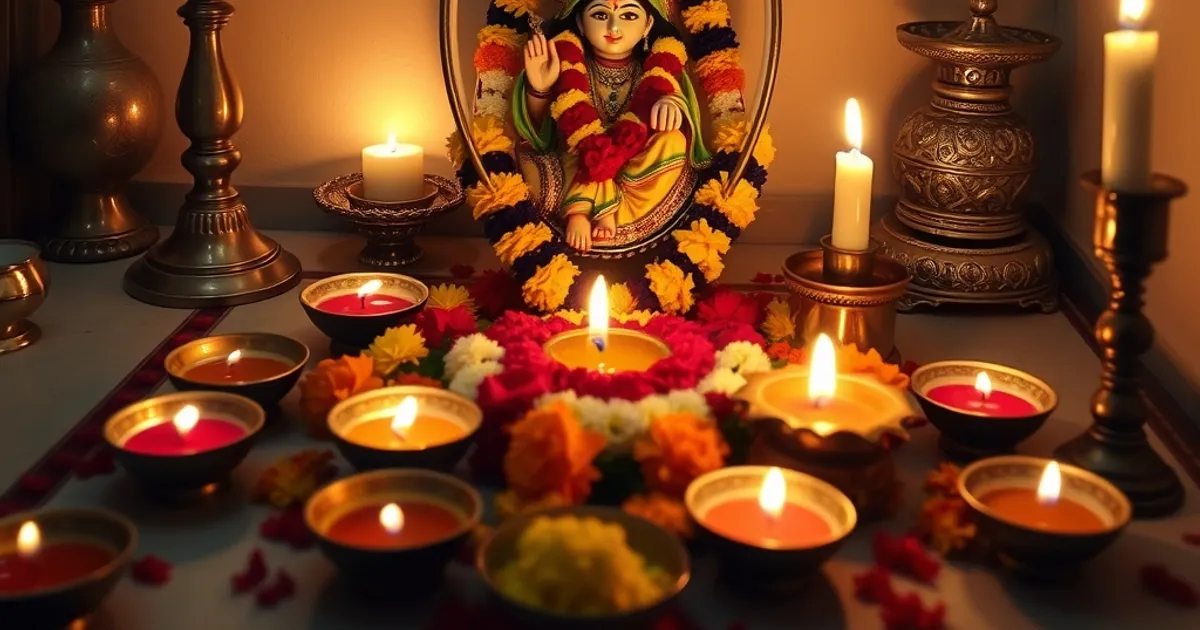
Insider Tip: The two weeks between Guru Purnima 2026 and Janmashtami are an ideal time to prepare your home altar — replace old flowers, order a new Krishna murti if needed, and source a jhula (small cradle) for the midnight cradle-rocking ceremony that is central to a traditional Janmashtami puja.
How to Celebrate Janmashtami at Home in Concord
Without a Concord-based Krishna temple in the community directory, the home becomes the primary space for Janmashtami observance. This is, in many ways, the most traditional approach — Krishna's birth is celebrated in the intimate setting of the household altar, surrounded by family.
Fasting: Most observant families fast through August 15, eating only fruit and dairy until the midnight break. The fast can be continued through the morning of August 16 depending on family tradition.
Midnight aarti: At midnight on August 15–16, a lamp is lit before the Krishna murti, devotional songs are sung — Hare Krishna bhajans, Achyutam Keshavam, or whatever the family knows by heart — and the deity is offered panchamrit: a mixture of milk, curd, honey, ghee, and sugar. The murti is bathed with this mixture, dressed in fresh clothes, and placed in the jhula, which is then rocked gently by the assembled family.
Dahi handi: Inspired by Krishna's legendary love for butter and curd, families prepare a small pot of dahi (yogurt) as a celebratory focal point. Larger Indian communities sometimes organize street-level dahi handi events with human pyramids, but for a home setting, distributing makhan (white butter) and mishri (rock sugar) as prasad captures the same spirit of abundance.
Bhajans and storytelling: Reading from the Bhagavata Purana — specifically the tenth chapter covering Krishna's birth and early life — is a traditional Janmashtami practice. Many Concord families stream bhajan recordings or join virtual kirtan sessions hosted by temples in Fremont, Milpitas, or San Jose, which often broadcast their midnight aarti programs online.
Community and Regional Options for the Indian Diaspora
Concord's Indian diaspora does not celebrate in isolation. Several avenues bring the community together around Janmashtami 2026.
Indian cultural associations in Contra Costa County typically post Janmashtami event notices on community social media pages, neighborhood apps, and email lists in July and early August. ISKCON centers in the Bay Area — including locations in Fremont and Berkeley — host major public Janmashtami celebrations that are worth the drive for those who want a temple experience with large congregations, professional kirtan performances, and a full midnight ceremony.
Regional Indian grocery stores in Concord and Walnut Creek generally stock seasonal Janmashtami supplies in the two weeks before the festival: miniature Krishna murtis and accessories, jhulas, ready-made panchamrit ingredient sets, and traditional sweets including makhan-mishri packs and sabudana-based items.
Traditional Foods for Janmashtami
The Janmashtami food tradition is deliberate and symbolic. Everything offered or eaten connects to Krishna's pastoral identity as a child raised among cowherd families.
Panchamrit — the five-ingredient sacred liquid — is prepared fresh on the night of August 15 and used first to bathe the murti, then distributed as prasad. The five ingredients are milk, yogurt, honey, ghee, and sugar.
Makhan and mishri — white butter and rock sugar — are offered first as a nod to Krishna's fondness for freshly churned butter stolen from neighbors' kitchens.
Sabudana khichdi made from tapioca pearls is the standard fast-breaking dish: light, easy to digest after a full-day fast, and naturally grain-free.
Panjiri — a roasted flour and dry fruit sweet — is distributed after the midnight aarti in many North Indian households and is available at Indian sweet shops in the Bay Area during the festival period.
FAQ
When is Janmashtami 2026? Janmashtami falls on August 15–16, 2026. The midnight moment of August 15 crossing into August 16 is the ritual peak of the celebration.
Is there a temple in Concord for Janmashtami? No Concord temple appears in the current community directory. East Bay options include ISKCON centers in Fremont and Berkeley, which host large public Janmashtami programs.
What does Ekadashi have to do with Janmashtami? Ekadashi on July 24 is a preparatory lunar fast in the same Shravana month that contains Janmashtami. Observing Ekadashi is considered spiritually auspicious in the lead-up to the festival fast.
Can I celebrate Janmashtami without a temple? Absolutely. Home observation — fasting, midnight aarti, panchamrit, and bhajans — is the core of the festival and requires only a home altar and willing family members.
What is dahi handi? Dahi handi re-enacts Krishna's childhood game of stealing curd from earthen pots hung high. Communities form human pyramids to break a suspended pot of yogurt. At home, distributing dahi and makhan as prasad serves the same spirit.
What is the significance of Sankashti Chaturthi before Janmashtami? Sankashti Chaturthi on August 2 is a monthly Ganesha fast. Since Ganesha is always invoked before auspicious occasions, this observance serves as a natural devotional preparation for Janmashtami two weeks later.
Bottom Line
Janmashtami 2026 in Concord is best experienced as a home-centered celebration, with community connection through East Bay Indian associations and nearby temples. Mark the lead-up in your calendar: Ekadashi on July 24, Pradosh Vrat on July 26, Guru Purnima 2026 on July 28, and Sankashti Chaturthi on August 2. Then fast through August 15, light your lamp at midnight, bathe the murti in panchamrit, and welcome Krishna into your home. Jai Shri Krishna! 🙏