
Cupertino Elects First Mayor of Indian Origin as H-1B Concerns and Neighborhood Burglaries Affect Desi Residents
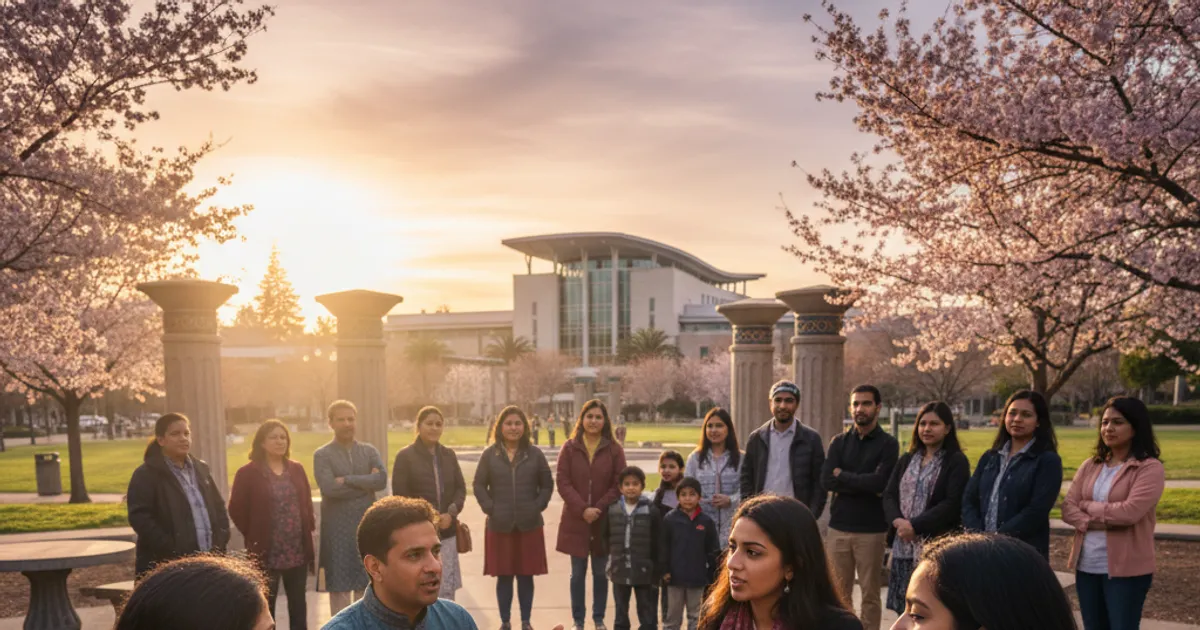
Cupertino has made history by selecting Savita Vaidhyanathan as the city's first mayor of Indian origin, a milestone reflecting the South Asian community's deepening civic roots in one of Silicon Valley's most Desi-dense cities. That landmark arrives alongside troubling reports from India Currents of burglaries specifically targeting Indian homes in a Cupertino neighborhood, unsettling a community that has long regarded the city as a safe haven. Meanwhile, a DW report captures the broader anxiety gripping Indian tech workers across the region as the Trump administration's stance on H-1B visas leaves skilled immigrants uncertain about their futures in the communities they have built.
🗳️ Savita Vaidhyanathan Makes History as Cupertino's First Indian-Origin Mayor
Cupertino, a city at the heart of Silicon Valley known for its high concentration of South Asian residents and technology professionals, selected Savita Vaidhyanathan as its first mayor of Indian origin, according to The Indian Panorama. The selection marks a historically significant moment for a community that has called Cupertino home for generations, contributing to its schools, businesses, and civic institutions in ways that have come to define the character of the city itself. The Indian Panorama, which covers news of importance to the South Asian diaspora across the United States, highlighted the appointment as a landmark in California's growing story of Indian-American political representation at the local level. Cupertino's population includes a substantial proportion of residents of Indian origin, many of whom work in the technology industry or are connected to it through family and professional networks spanning the Bay Area. The emergence of an Indian-origin mayor in such a city represents the culmination of years of civic engagement — from school board participation to city council service — through which South Asian residents have steadily expanded their presence in local government and public life. For Desi residents of Cupertino and neighboring communities, Vaidhyanathan's selection is simultaneously a point of community pride and a demonstration that political representation at the local level is achievable through sustained, organized involvement. The development also serves as an encouragement to South Asian residents across the Bay Area who are considering their own paths into public service and elected office as the community's demographic and political weight continues to grow. [6]
🤝 Indian Homes in Cupertino Neighborhood Hit by String of Burglaries
India Currents, a California-based publication with a long record of covering issues that matter to the South Asian community, reported a troubling development in Cupertino: Indian homes in a neighborhood have been targeted by burglaries in a pattern serious enough that the outlet described residents as having been left feeling terrorized. The framing in India Currents indicates that the incidents were neither isolated nor minor, suggesting a frequency or severity that has generated genuine fear among families who previously regarded their neighborhood as a safe and stable place to raise children and build a life. Cupertino's reputation as a welcoming and secure community for Indian families makes news of targeted burglaries particularly unsettling, and the India Currents report signals that the South Asian community in the area is treating the matter with serious concern. The publication has served for decades as a trusted voice for California's Desi community, and its coverage of local safety issues carries weight for readers who rely on it for news that mainstream outlets may overlook or underreport. When burglaries concentrate on homes of a specific ethnic community, they raise questions that go beyond ordinary property crime: whether the targeting was deliberate or opportunistic, what it signals about the vulnerability of those households, and what kind of response is needed from law enforcement and community organizations alike. For Indian families in the affected neighborhood, the incidents represent an urgent call to engage with local police, neighborhood watch programs, and South Asian civic organizations. Restoring a sense of security in a neighborhood where families have invested deeply demands a coordinated response from residents, city officials, and law enforcement working in close partnership. [4]
🗳️ Indian Tech Workers in Silicon Valley on Edge as H-1B Visa Future Hangs in the Balance
A report published by DW in March 2025 captured the anxiety gripping Indian tech workers across Silicon Valley as the Trump administration moved to restrict immigration broadly, while key allies in the technology industry simultaneously pushed back against those restrictions. At the center of the debate, DW reported, is the H-1B visa — a temporary work authorization that has served for decades as the primary pathway for skilled foreign nationals, and particularly for workers from India, to live and build careers in the United States technology sector. The tension described in DW's reporting reveals an unusual political dynamic: the same technology executives who have aligned themselves with Trump's political movement depend heavily on the H-1B pipeline for the engineering and technical talent that keeps their companies globally competitive. For Indian professionals working throughout Silicon Valley, including in Cupertino and its neighboring tech-industry cities, this conflict creates an environment of deep uncertainty. Workers who have spent years building careers, raising families, and putting down roots in local communities are left wondering whether their ability to remain in the country depends on the outcome of a political negotiation they have no direct voice in shaping. The H-1B visa's temporary and renewal-dependent nature means that policy shifts under a new administration carry immediate and personal consequences for visa holders and their families. DW's international coverage of this issue reflects global recognition that what happens to Indian workers in Silicon Valley has implications far beyond a single visa category, touching on the stability of families, the cohesion of communities, and the long-term future of South Asian professionals who have made the Bay Area their home. [5]
Sources: [6] The Indian Panorama · [4] India Currents · [5] DW.com