
Best Temples & Mandirs in Dehradun (2026)
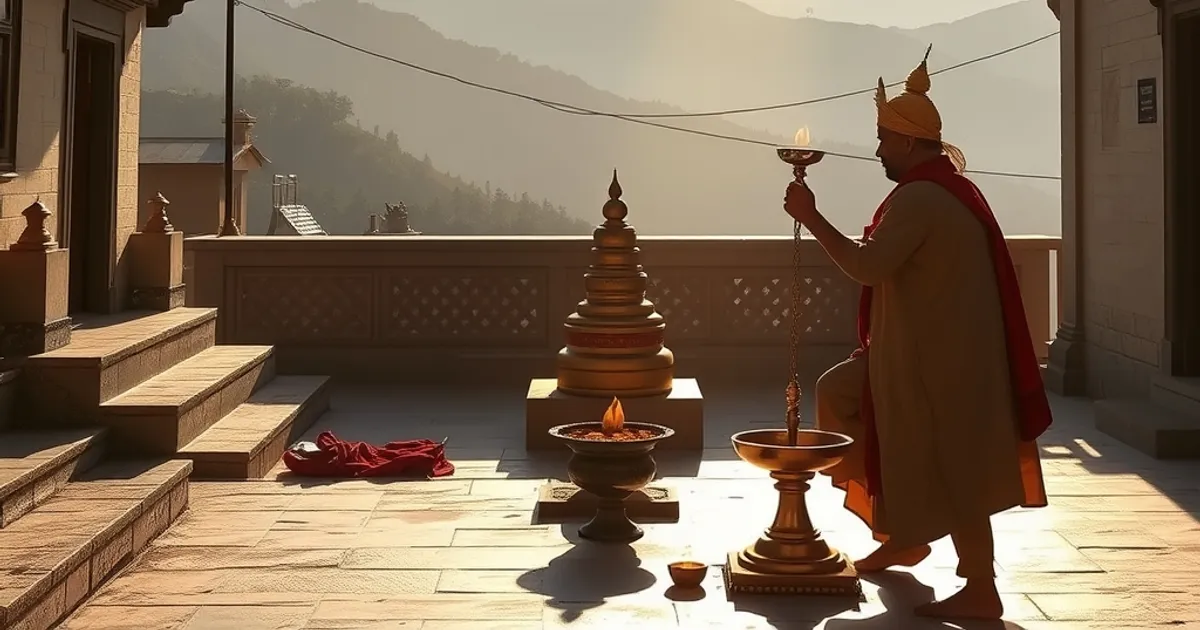
TL;DR 🙏
- Dehradun offers an unusually rich temple circuit — from Shiva mandirs in the Sahastradhara hills to the Ramakrishna Mission Ashram on the Rajpur road
- Bala Sundari Mandir, Radha Krishna Mandir, and Drona gufa old Shiv mandir each carry distinct historical and spiritual character
- The Rajpur-Mussoorie Road corridor alone hosts five major temples and ashrams 🏔️
- Most temples are open for morning and evening aarti, the best times for a calm visit
- Dehradun's temple landscape blends Uttarakhand's mountain devotional tradition with ashram culture and city neighborhood shrines
Dehradun as a Temple City: Geography and Devotion
Dehradun, the capital of Uttarakhand, occupies a valley at the base of the Himalayan foothills. It is a city shaped by its proximity to some of the most sacred geography in the Hindu world — Rishikesh and Haridwar are barely an hour away, and the Char Dham pilgrimage routes begin from this region. That spiritual geography infuses the city itself, which hosts a remarkable density of temples, ashrams, and sacred sites despite being primarily an administrative and educational center.
Dehradun's temple landscape reflects several distinct traditions: the Shaivite mountain devotion of Uttarakhand, the Vaishnavite bhakti of north India, the Shakta goddess traditions that run through the Himalayan foothills, and the broader ashram-based spiritual culture that has made this region a draw for seekers for well over a century.
The city's temples cluster along several corridors — the Rajpur-Mussoorie Road heading north toward the hills, the Sahastradhara Road toward the famous sulphur springs, and the Dehradun-Mussoorie Road. Understanding these corridors makes planning a temple circuit practical.
The Rajpur-Mussoorie Road Corridor
The road north toward Mussoorie carries some of Dehradun's most historically significant temples and spiritual institutions.
Shrigeri Sharadhamba Shiv Mandhir on Rajpur-Mussoorie Road is an unusually significant institution — affiliated with the Sringeri Sharada Peetham, one of the four Shankaracharya monasteries established by Adi Shankaracharya in the eighth century. The Sringeri lineage holds enormous authority in the Advaita Vedanta tradition, and a temple connected to it brings that intellectual and devotional heritage to Dehradun.
Ramakrishna Mission Ashram, also on Rajpur-Mussoorie Road, is one of Dehradun's most respected spiritual institutions. Founded as part of the global network established by Swami Vivekananda to propagate the teachings of Sri Ramakrishna, the ashram runs educational programs, social service activities, and maintains an active temple open to all visitors. The atmosphere is calm, contemplative, and genuinely welcoming.
Shri Shri Ma Anandmayi Vishwa Mandir at 156-a Rajpur-Mussoorie Road is dedicated to the memory and teachings of Anandamayi Ma, one of the most revered saints of twentieth-century India. Her ashrams and temples maintain her living legacy through meditation, seva, and bhajan programs.
Sai Mandir on Rajpur-Mussoorie Road draws devotees of Sai Baba of Shirdi, whose inclusive message of spiritual unity across religion has produced one of modern India's most widely observed devotional movements.
Harihar baba siddhpeeth Mandir at 150 Rajpur-Mussoorie Road rounds out this corridor as a siddha-tradition temple — places associated with accomplished spiritual masters carry particular sanctity in the Uttarakhand hills.
The Sahastradhara Road Circuit
Sahastradhara — meaning "thousand streams" — is Dehradun's most famous natural site, known for its sulphur springs and scenic setting. The road leading to it passes several significant temples.
Shiv mandir sahastradhara serves the large number of visitors who come to Sahastradhara both for the natural site and for the temple. Shiva worship is deeply embedded in mountain geography across Uttarakhand, and this mandir connects the natural landscape directly with devotional practice.
Drona gufa old Shiv mandir on Sahastradhara Road carries special historical resonance. Drona — Dronacharya, the legendary martial arts teacher of the Mahabharata — is said to have meditated in this cave before establishing his famous gurukul in the Dehradun valley. The guru-shishya tradition runs deep in this region, and the old Shiv mandir within or near the cave is among the city's ancient sacred sites.
Hanuman Temple in Mandakini Vihar on Sahastradhara Road serves residential neighborhoods along the route. As with most Hanuman temples, Tuesdays and Saturdays draw the heaviest footfall from devotees seeking strength and protection.
Main Sahastradhara, Ahed Shiv Mandir at Timilimansingh is positioned at the Sahastradhara site itself, offering darshan against the backdrop of the sulphur spring landscape.
Insider Tip: Drona gufa old Shiv mandir is one of Dehradun's oldest sacred sites and carries the weight of the Mahabharata connection, but it sees far fewer visitors than the Sahastradhara springs nearby. A morning visit on a weekday gives you time with the site in genuine quiet.
The Dehradun-Mussoorie Road and Malsi Area
South and west of the Sahastradhara corridor, the Dehradun-Mussoorie Road and the Malsi area host several more temples.
Sai Shiv Sakti Mandir and Durga Mata Mandir are both located on the Dehradun-Mussoorie Road. The pairing of a Shaiva-Shakti temple with a Durga mandir within the same area reflects the syncretic tradition of worshipping Shiva and the goddess as complementary divine principles.
Shri Mata Mandir and Hanuman Mandir are both located on Supply Road in Malsi. These neighborhood temples serve the Malsi residential area with daily worship programs.
Kali Mandir at Cross Road opposite St. Thomas College, near Darshan Lal Chowk, occupies a prominent urban position. Kali temples in North Indian cities often serve as focal points for community worship during Navaratri.
The City Neighborhoods
Several temples serve Dehradun's residential neighborhoods with daily continuity.
Bala Sundari Mandir at 5 Canal Road is dedicated to Bala Sundari, a goddess revered particularly in the hill regions of Uttarakhand and Himachal Pradesh. The Bala Sundari tradition has a strong devotional following in the Garhwal region.
Radha Krishna Mandir in Doon Vihar Lane 2 brings the devotional music tradition of Radha-Krishna worship into a residential neighborhood setting. This temple is accessible to visitors and maintains regular aarti timings.
Shree Gyaneshwar Shiv Mandir on the Rajiv Nagar-Chironwali belt serves the outer residential areas of the city.
BrahmaKumaris at Krishnapuram represents a global spiritual movement with its own meditation-centered practice, open to people of all backgrounds.
Jai Maa Durga Mandir in Rajeshwar Nagar Phase 2 and Sudhowali Mandir in Rajeshwar Nagar Phase-I serve the growing residential colonies on Dehradun's outskirts.
Balaji Temple on Raipur Road brings the south Indian Venkateshwara tradition into the Uttarakhand capital — a sign of how pan-Indian devotional practice has spread across regional boundaries.
Shri Guru Nanak Darbar Gurudwara in Rishi Nagar on Sahastradhara Road represents Dehradun's Sikh community, which maintains a long historical presence in the city and its military cantonment.
Pahalwan Baba Temple at 152/3/B Doon Vihar, Jakhan, and Shri Mata Mandir in Malsi together fill out the devotional geography of the city's outlying areas.
FAQ
What is the most historically significant temple in Dehradun? Drona gufa old Shiv mandir on Sahastradhara Road carries the oldest historical association — connected to the Mahabharata figure of Dronacharya.
Which ashram in Dehradun is open to general visitors? Ramakrishna Mission Ashram on Rajpur-Mussoorie Road is open to all visitors and maintains a welcoming atmosphere for both devotional visits and meditation.
Where is Bala Sundari Mandir? Bala Sundari Mandir is located at 5 Canal Road in Dehradun.
What makes Shrigeri Sharadhamba Shiv Mandhir significant? It is affiliated with the Sringeri Sharada Peetham, one of the four Shankaracharya monasteries from the Advaita Vedanta lineage.
Is there a Sikh gurudwara in Dehradun? Yes — Shri Guru Nanak Darbar Gurudwara is located in Rishi Nagar on Sahastradhara Road.
What is Anandamayi Ma's connection to Dehradun? Shri Shri Ma Anandmayi Vishwa Mandir at 156-a Rajpur-Mussoorie Road is dedicated to the twentieth-century saint Anandamayi Ma, whose ashram network extends across north India.
When is the best time to visit Dehradun temples? Morning aarti (typically between 6–8 AM) and evening aarti (5–7 PM) are the most active and spiritually resonant times. Weekday mornings are quietest.
Bottom Line
Dehradun's temple landscape rewards those who explore beyond the famous sites. From Drona gufa old Shiv mandir with its Mahabharata resonance, to the Ramakrishna Mission Ashram's universal welcome, to Bala Sundari Mandir's hill-goddess tradition, and the quiet gravitas of Shrigeri Sharadhamba Shiv Mandhir's Shankaracharya lineage — the city offers a genuinely diverse circuit of sacred spaces. Whether you follow the Rajpur-Mussoorie Road corridor north, trace the Sahastradhara route east, or explore the city's residential neighborhoods, Dehradun's 2026 temple guide gives you the foundation for a meaningful pilgrimage through one of Uttarakhand's most spiritually layered cities.