
Raksha Bandhan 2026 in Dehradun: Events, Puja & Where to Celebrate
TL;DR
- Raksha Bandhan 2026 falls on August 28 — also Purnima — making it doubly auspicious for Dehradun's celebrations this year. 🌕
- The festive arc runs from Guru Purnima 2026 on July 29 through Pradosh Vrat on September 24, covering two full months of observances.
- Nag Panchami 2026 (Aug 17), Krishna Janmashtami 2026 (Sep 4), and Ganesh Chaturthi 2026 (Sep 14) mark the major milestones after Raksha Bandhan.
- Fortnightly fasts — Ekadashi and Pradosh Vrat — anchor the calendar throughout, giving the season a steady rhythm.
- Plan mandir visits for early mornings and buy rakhis at least two days before August 28 to avoid crowds.
A Hill City and Its Festival Season
Dehradun sits where the Shivalik foothills ease into the Doon valley, and the city's pace has always been shaped by that geography — cooler than the plains, quieter than the metros, with a cultural life that moves deliberately through seasons. The stretch from late July to late September is the most festive in the annual calendar: over twenty observances compressed into sixty days, each carrying its own mood and requiring its own preparation.
This is not a tourist-facing calendar. It is the calendar that Dehradun's families have always followed — the fortnightly fasts, the full-moon gatherings, the festivals that fill temples and living rooms with equal density. Here is how it unfolds, date by date, and what each moment calls for.
The Season Opens: Ekadashi and Guru Purnima 2026
The first significant date is Ekadashi on July 25. The fortnightly Vishnu fast is kept by many households through a grain-free diet, morning prayers, and an evening visit to a Vishnu or Lakshmi-Narayan mandir. It is an observance that does not announce itself — no decorations, no public ceremony — but it sets the spiritual tone for the days ahead.
Pradosh Vrat on July 27 follows. This is Shiva's observance, timed to the twilight hour on the thirteenth lunar day. Temples perform abhishek — ritual bathing of the Shivalingam — during the pradosh window, and lamps are lit as the Mussoorie hills catch the last light. Tapkeshwar Mandir, with its natural spring and cave setting, draws visitors on Pradosh days.
Guru Purnima 2026 — July 29 is where the season genuinely begins. Dehradun has a particular relationship with this full moon: the city houses ashrams, yoga institutions, and spiritual centers whose very existence is premised on the guru-shishya bond. On the Purnima, disciples gather before dawn for darshan and offerings of flowers. In neighborhood mandirs, puja ceremonies run through the morning. Families with teachers they hold in regard mark the day with visits or calls. The Purnima tithi falls on the same day, making July 29 full in every sense.
The Quiet Middle: Fasting Days and Nag Panchami 2026
The fortnight after Guru Purnima carries Sankashti Chaturthi on August 2 — a monthly Ganesh observance for those who fast until moonrise. The ritual is domestic: a home puja, the offering of modak, and the breaking of the fast when the moon clears the horizon. August in Dehradun means monsoon; the moon sometimes appears late through cloud cover, and the wait has a particular quality.
Ekadashi on August 9 and Amavasya on August 12 follow. The new moon of August 12 is a day for pitru tarpan — offerings made in the name of departed ancestors near running water. Many families make the drive to Haridwar, forty-five minutes east, for morning rituals at the Ganga ghats. The river in August is high and fast, and the ghats carry a particular weight on Amavasya.
Nag Panchami 2026 on August 17 is one of the season's more publicly visible observances. Serpent deities receive milk and flower offerings at dedicated shrines and in temple compounds. The day sits at the heart of the monsoon, when the rains are at their peak and the agricultural calendar's older anxieties — about serpents in the fields, about the land's hidden life — surface in ritual form. Older localities in Dehradun have small serpent shrines tucked into walls and courtyards; they are easy to miss on other days and impossible to miss on Nag Panchami.
A second Ekadashi on August 23 and Pradosh Vrat on August 26 close out the approach to Raksha Bandhan, each carrying its regular significance while functioning as a kind of countdown.
Raksha Bandhan 2026: August 28
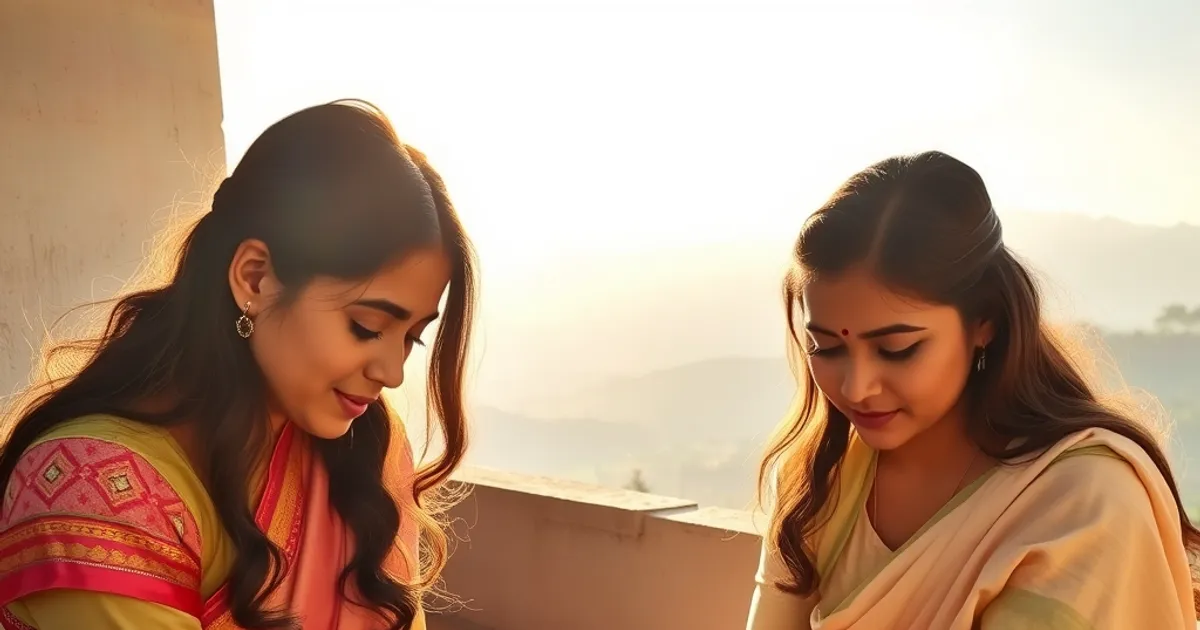
Raksha Bandhan 2026 falls on August 28, and this year it coincides with Purnima — the full moon. The combination is considered especially auspicious: the thread a sister ties on her brother's wrist carries not just the intention of the sibling bond but the full moon's amplified blessing.
In Dehradun, the morning begins early. Sisters prepare thalis with roli, akshat, diya, sweets, and the rakhi itself before the household is fully awake. The tying ceremony happens between sunrise and midday; by afternoon, most families are already into the sweets and the visiting. Brothers give gifts — traditionally money, now more likely something practical or chosen — and the rest of the day moves at a family pace.
Markets along Paltan Bazaar and Rajpur Road stock rakhis from the first week of August: silk threads, beaded ones, character rakhis for younger siblings, elaborate multi-strand designs, and simple cotton ones that have been worn in this region for generations. Mithai shops see their highest single-day sales of the year.
Insider Tip: Buy rakhis on August 26 or the morning of August 27. The 28th itself sees lines at every mithai shop and the best rakhi designs sell out by mid-morning. If you want a specific style — particularly hand-embroidered or custom-made — many sellers take advance orders from a week prior.
Into September: Krishna Janmashtami 2026 and Ganesh Chaturthi 2026
Sankashti Chaturthi on September 1 restarts the monthly Ganesh fasting cycle. Then, on September 4, Krishna Janmashtami 2026 arrives — one of the most widely celebrated Vaishnava festivals.
The observance begins the evening of September 3 and reaches its peak at midnight, when Krishna is said to have been born. Temples hold jhankis — elaborately staged tableaux depicting the birth of Krishna — accompanied by bhajans and kirtan that continue through the night. In Dehradun, ISKCON and Radha-Krishna mandirs hold the largest programs; smaller neighborhood temples observe more quietly but no less sincerely. Fasting through the day of September 4 is standard for many families.
Ekadashi on September 7, Pradosh Vrat on September 9, and Amavasya on September 11 follow in quick succession, maintaining the rhythmic structure of fasts and observances.
Ganesh Chaturthi 2026 on September 14 closes the core festive stretch. Clay Ganesha idols are installed in homes and community pandals with full ceremony — the prana pratishtha, the formal invitation for the deity to be present. Over ten days (through Anant Chaturdashi), daily puja is offered; modak and ladoo are distributed as prasad. The final visarjan — the ceremonial farewell and immersion — brings the season to its emotional close.
Dehradun celebrates Ganesh Chaturthi with genuine enthusiasm, and the city's smaller scale means celebrations remain neighborhood-based — which gives them a particular warmth.
The season winds down with Ekadashi on September 22 and Pradosh Vrat on September 24 — the calendar returning to its quiet fortnightly rhythm.
FAQ
When exactly is Raksha Bandhan 2026? August 28, 2026. It coincides with Purnima (full moon) this year, which is considered especially auspicious.
What is the muhurat for rakhi tying on August 28? The auspicious window for tying rakhi is generally in the morning hours, typically before noon. Consult a local panchang for the specific muhurat, as it can vary slightly based on the moon's position.
Is Guru Purnima 2026 a public holiday? Not a gazetted holiday, but ashrams, yoga centers, and many spiritual institutions hold full-day programs. Some schools in areas with large religious communities may see reduced activity.
Where are the main celebrations for Nag Panchami 2026 in Dehradun? Older temples and the serpent shrines found in traditional localities are the main points of congregation. Tapkeshwar Mandir, with its Shiva association and natural setting, also draws visitors on this day.
How long does Ganesh Chaturthi 2026 last? The full celebration spans ten days, from Chaturthi on September 14 through Anant Chaturdashi. Many families observe the installation day and the visarjan as the two key ritual moments.
Are there public events for Krishna Janmashtami 2026? Yes. ISKCON centers and Radha-Krishna mandirs hold public programs through the night of September 3–4. Community organizations sometimes organize street jhankis and cultural evenings around the festival.
Bottom Line
Dehradun's July-to-September calendar is one of the more richly layered festival stretches in Uttarakhand. Raksha Bandhan 2026 on August 28 is the emotional center, made more auspicious by its Purnima alignment. The season opens with Guru Purnima 2026 and the fortnightly rhythm of Ekadashi and Pradosh Vrat, passes through Nag Panchami 2026 in the monsoon's heart, and closes with Krishna Janmashtami 2026 and Ganesh Chaturthi 2026 in early September. Plan around the morning hours for mandir visits, stock up on rakhis a day or two ahead, and let the hill city's unhurried pace carry the rest.