
Ganesh Chaturthi 2026 in Delhi: Events, Puja & Where to Celebrate
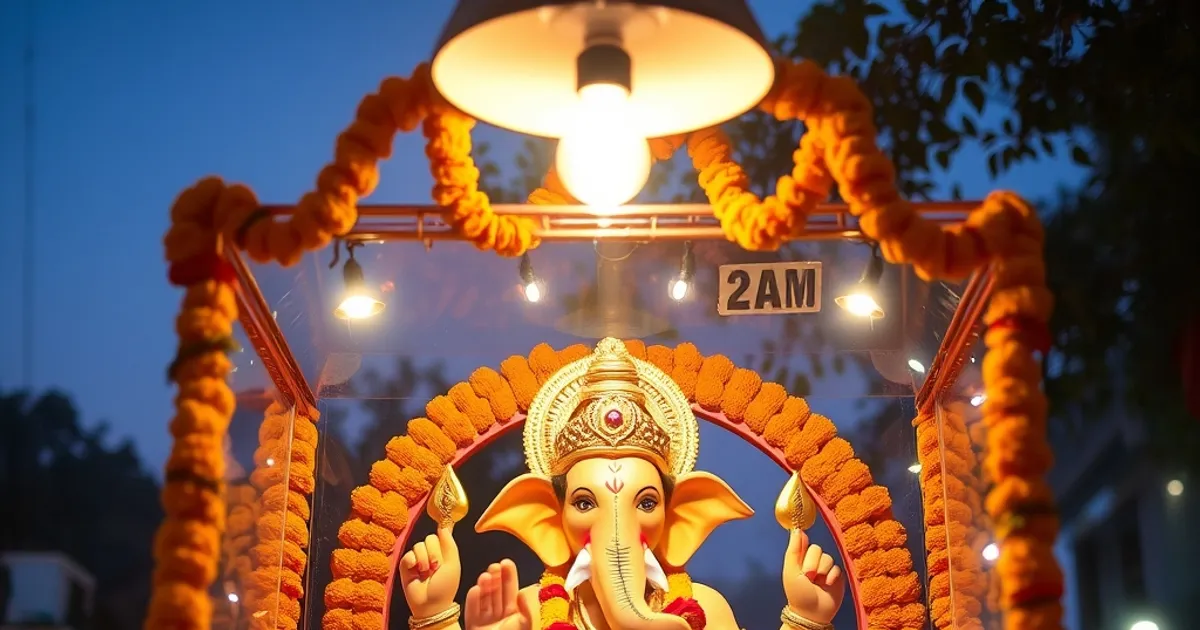
TL;DR 🎊
- Ganesh Chaturthi 2026 in Delhi falls on August 27 — plan for ten days of community celebrations
- Sankashti Chaturthi on August 02 is an important lead-up observance dedicated to Lord Ganesha
- Swaminarayan's Akshardham Temple is a major spiritual landmark drawing large crowds during festival season
- Gurudwara Bangla Sahib Sikh Temple is one of Delhi's most visited religious sites and a hub of community life
- The calendar also includes Seed Business School Festival 2026 - Delhi, Guru Purnima 2026 (Jul 29), and Pradosh Vrat (Jul 27)
What Is Ganesh Chaturthi
Ganesh Chaturthi marks the birth of Lord Ganesha — son of Shiva and Parvati, the remover of obstacles, the patron of wisdom and new beginnings. It is observed on the fourth day of the bright fortnight of the Hindu month Bhadrapada, which in 2026 falls on August 27.
The festival runs for ten days. Families and housing societies install Ganesha idols, perform morning and evening aartis, offer modaks and laddoos, and invite relatives and neighbors for collective celebration. The ten days close with Ganesh Visarjan — the immersion of the idol in water, accompanied by processions, music, and the chant "Ganpati Bappa Morya."
In Delhi, Ganesh Chaturthi celebrations have expanded significantly across the city over the past two decades. Large pandals are set up in residential colonies, commercial areas, and public grounds. South Delhi localities, East Delhi neighborhoods, and areas with significant Maharashtrian communities have long traditions of festival observance, but today the celebrations extend city-wide. Every locality finds its own way to mark the ten days.
Delhi's Festival Calendar: July 27 to August 27
The weeks surrounding Ganesh Chaturthi are filled with their own significant dates that create a continuous rhythm of auspicious observance.
Pradosh Vrat — July 27: This bimonthly vrat dedicated to Lord Shiva falls on the 13th lunar day. The July 27 date lands in Shravan month, when Shiva worship is especially meritorious. Temples across Delhi see extended queues, and the evening Pradosh kaal — roughly two hours before and after sunset — is the preferred time for worship.
Purnima — July 29: The full moon day of Ashadha is observed with river baths, fasting, and prayer. Many devotees visit temples and engage in acts of charity on this day. The full moon in late July marks a shift into the most active religious season of the year.
Guru Purnima 2026 — July 29: Coinciding with Purnima, Guru Purnima honors one's teachers — spiritual guides, professors, mentors, and parents. Satsangs, public discourses, and meditation sessions are organized across Delhi's many spiritual institutions. It is also the day when disciples formally express gratitude to their gurus, and many religious centers hold special programs through the evening.
Sankashti Chaturthi — August 02: The monthly Ganesh fast falls on the fourth day after the full moon. Observed with a strict daylong fast broken only after moonrise and the sighting of the moon, Sankashti is a deeply personal observance for millions. The August 02 date carries extra significance as it falls within a month of the main festival.
Ganesh Chaturthi — August 27: The main festival day. Delhi's celebrations are elaborately organized across neighborhoods, with some pandals featuring idols several feet tall and elaborate thematic decorations that draw visitors from surrounding areas.
Also on the calendar: Seed Business School Festival 2026 - Delhi — an event that speaks to the city's identity as a center for education, enterprise, and large-scale organized gatherings. The festival energy of the season extends well beyond traditional religious observance.
Temples and Spiritual Centers in Delhi 🛕
Delhi's religious landscape is extraordinarily diverse, and during Ganesh Chaturthi, temples and mandirs across the city see elevated activity.
Swaminarayan's Akshardham Temple is one of Delhi's most visited spiritual landmarks and a site of deep religious significance. The campus is dedicated to Bhagwan Swaminarayan and features elaborately carved stone architecture, thematic exhibitions, a musical fountain show, and meticulously maintained gardens. During the Ganesh Chaturthi period, the temple and its surroundings see large numbers of visitors making pilgrimage. The spiritual atmosphere at Swaminarayan's Akshardham Temple during festival season is notably serene despite the crowds, and the complex provides a full-day experience for families.
Gurudwara Bangla Sahib Sikh Temple is among the most recognized religious sites in all of Delhi. This gurudwara holds deep historical significance — it is associated with the eighth Sikh Guru, Har Krishan Ji, who provided relief to the sick during a smallpox epidemic in the 17th century. The sarovar (sacred pond) on the premises is considered holy by many visitors. Gurudwara Bangla Sahib Sikh Temple operates a langar (community kitchen) that serves free meals to thousands of people every single day, regardless of religion, background, or need. This tradition of unconditional hospitality makes the gurudwara a unique anchor point in Delhi's community life. During major festival periods across all traditions, the flow of visitors to the surrounding area increases, and many families incorporate a visit to Gurudwara Bangla Sahib Sikh Temple as part of their wider festival circuit.
Beyond these two landmarks, the pandal culture across Delhi's residential colonies — from Karol Bagh to Lajpat Nagar, Rohini to Dwarka — adds its own dimension. Local committees compete on the scale and creativity of idol decoration, and each pandal typically organizes cultural programs, musical evenings, and youth events through the ten days.
Insider Tip: At Swaminarayan's Akshardham Temple, queues for the main sanctum grow very long during festival weekends. Arrive at opening time and go directly to the sanctum for darshan before visiting the exhibitions. Save the musical fountain show for the evening, which is the ideal setting for it anyway.
The Ten-Day Arc at Home
Home celebrations in Delhi generally follow a 1.5-day, 3-day, or 5-day cycle, though some traditional families observe all ten days. The idol is placed on a decorated platform with flowers, fabric, and diyas. Aarti is performed twice daily — at sunrise and sunset — with family members taking turns to participate.
Modaks, both steamed (ukdiche modak) and fried, are made fresh. Durva grass, red flowers (particularly hibiscus), and fresh coconut are key elements of the puja. Neighbors and colleagues are invited over, and many households use the occasion to host a small gathering or feast.
The final visarjan is performed on the chosen day with full ceremony. Delhi's designated immersion points at the Yamuna and nearby lakes receive thousands of idols on Anant Chaturdashi. The procession from the house to the water — often involving the entire building or street — is frequently as memorable as the days of celebration that preceded it.
Cooperative housing societies in Delhi have developed a strong tradition of shared community pandals, which means even families without space for a home installation can participate fully in the ten days.
FAQ
When is Ganesh Chaturthi in 2026? Ganesh Chaturthi falls on August 27, 2026.
What is the significance of Sankashti Chaturthi? It is a monthly vrat dedicated to Lord Ganesha, observed on the fourth day after the full moon. Devotees fast through the day and break their fast after moonrise.
Is Gurudwara Bangla Sahib Sikh Temple open to non-Sikhs? Yes. Gurudwara Bangla Sahib Sikh Temple is open to visitors of all faiths. Visitors are asked to cover their heads and remove footwear before entering.
Can families visit Swaminarayan's Akshardham Temple on Ganesh Chaturthi? Yes. The campus is open to the public and makes for a complete spiritual outing. Arriving early is advisable given the crowds during festival season.
What is Pradosh Vrat? Pradosh Vrat is a bimonthly fast dedicated to Lord Shiva, observed on the 13th lunar day. The evening period is the most auspicious time for worship.
What is Guru Purnima? Guru Purnima is observed on the full moon day of Ashadha and is dedicated to honoring one's teachers — spiritual and otherwise. It coincides with Purnima on July 29 this year.
Bottom Line
Delhi's Ganesh Chaturthi 2026 unfolds across a full calendar starting with Pradosh Vrat on July 27, Purnima and Guru Purnima 2026 on July 29, Sankashti Chaturthi on August 02, and building to the main event on August 27. Swaminarayan's Akshardham Temple and Gurudwara Bangla Sahib Sikh Temple anchor the city's spiritual circuit for those seeking depth alongside the community energy of the pandals. Ten days of aarti, modaks, processions, and Ganpati Bappa Morya — Delhi marks Ganesh Chaturthi with full conviction and citywide participation.