
Raksha Bandhan 2026 in Delhi: Events, Puja & Where to Celebrate
TL;DR
- Raksha Bandhan 2026 falls on August 28 — Shravan Purnima, the full moon that closes the monsoon month 🌕
- Delhi's build-up includes the Teej & Rakhi Glam Fest at Crowne Plaza New Delhi Rohini by IHG on August 5
- Temples like Swaminarayan's Akshardham Temple and Gurudwara Bangla Sahib Sikh Temple hold special Shravan-month observances
- The puja ritual is simple — rakhi, roli, coconut, flowers — and just as meaningful at home as at a community event
- Monsoon adds a distinctive backdrop this year: markets fill up and evenings carry the smell of rain and incense 🎊
What Raksha Bandhan Actually Is
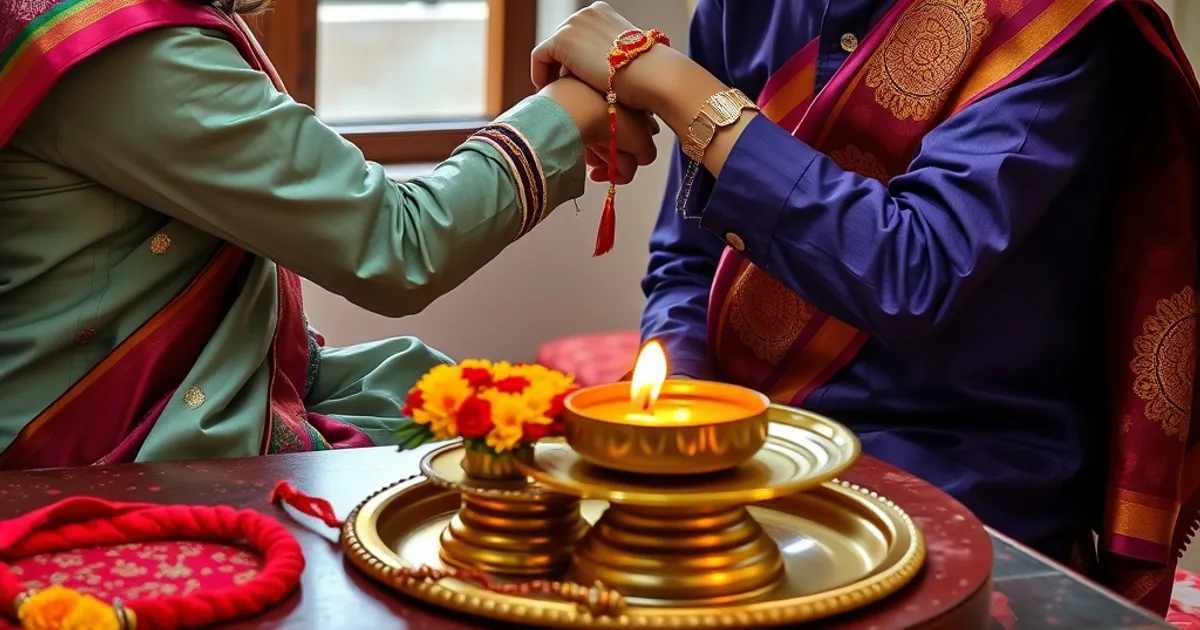
Raksha Bandhan — Shravan Purnima, the full moon of the monsoon month — marks the bond between siblings. A sister ties a rakhi on her brother's wrist; he pledges protection. The ceremony has been observed for centuries, predating most of the cultural overlays it's accumulated. In Delhi, the festival lands at monsoon's peak, giving the seasonal celebration a visual and atmospheric quality that differs markedly from how the same festival is observed in drier parts of the country.
This year, Raksha Bandhan 2026 falls on August 28. The weeks leading up to it carry a full complement of preparatory festivals and community events that make the run-up as significant as the day itself.
The Calendar Leading Up to August 28
The festival season builds momentum well before the main day. Guru Purnima 2026 on July 29 — the full moon honoring teachers and gurus — marks the spiritual opening of the Shravan month's significance. Temples across Delhi hold special morning prayers and satsangs during this period, and many families begin their Shravan observances on this date.
Nag Panchami 2026 on August 17 falls within the same lunar cycle. The fifth day after Amavasya draws its own temple crowds and carries its own protective prayers, reinforcing the Shravan month's theme of seeking benediction before the approaching harvest season.
Pradosh Vrat on August 26 — two days before Raksha Bandhan — is the fortnight's Shiva-dedicated fast day. Many households observe it alongside their Raksha Bandhan preparations, giving the final two days a continuous ceremonial rhythm.
Events and Gatherings in Delhi
The organized social calendar around Raksha Bandhan has expanded in recent years. The Home New Delhi Teej & Rakhi Glam Fest on August 5 at Crowne Plaza New Delhi Rohini by IHG combines Teej festival culture with Rakhi-themed shopping, performances, and cultural programming. Events like this reflect how festivals in urban Delhi increasingly blend traditional observance with organized community experiences for families and younger generations.
Earlier in the season, Monsoon Ragas with Mohan Brothers, Season 3 on July 23 at Kamani Auditorium brings classical and folk music into the monsoon spirit. The Mohan Brothers have built a following for their folk-classical crossover style, and their concert series aligns intentionally with the season when monsoon ragas like Megh Malhar carry the most contextual weight.
For those drawn to devotional music, a Sonu Nigam tribute to Mohammed Rafi at Yashobhoomi on July 25 offers large-scale filmi bhajan music during the same Shravan window — Rafi's festival songs are woven into how many families experience this time of year.
Temples and Sacred Spaces for the Puja
The puja for Raksha Bandhan does not require a temple — most families perform it at home. But for those who want a community setting, Delhi's temples provide organized contexts.
Swaminarayan's Akshardham Temple holds special Shravan-month prayers through August. The complex's scale means large numbers can observe simultaneously, and the riverfront setting along the Yamuna gives the monsoon season a visual dimension that home-based observances lack.
Gurudwara Bangla Sahib Sikh Temple on Ashoka Road operates continuously with langar service throughout the year, but the Shravan season brings additional sangat activity. The gurudwara is one of Delhi's most visited sacred spaces regardless of festival calendar, making it an anchor point for community gathering.
The Ramakrishna Mission in Delhi approaches seasonal festivals from a Vedantic perspective, emphasizing philosophical meaning alongside ritual practice. Programs during the Shravan month often include discourses on the significance of Purnima dates and what protection — the raksha of Raksha Bandhan — means in a wider spiritual sense.
Sheetla Mata Mandir on Sheetla Mata Road draws significant footfall during festival months, particularly for prayers connected to household protection and wellbeing — themes that align directly with Raksha Bandhan's core meaning.
Insider Tip: The rakhi market in Chandni Chowk starts stocking up about three weeks before the festival. Handmade silk thread rakhis tend to sell out faster than machine-made options — if you want traditional styles, go early in August rather than the week before the 28th.
FAQ
When exactly is Raksha Bandhan 2026? August 28, 2026 — Shravan Purnima on the Hindu lunar calendar.
What is the correct puja timing for tying the rakhi? Traditionally, the rakhi is tied during the Aparahna (afternoon) muhurta after the Bhadra period ends. For 2026, confirm the exact muhurta closer to the date using a reliable panchang source.
Are the temple events ticketed or open to all? Major temples including Swaminarayan's Akshardham Temple and Gurudwara Bangla Sahib Sikh Temple are open to all visitors without tickets. The Teej & Rakhi Glam Fest at Crowne Plaza New Delhi Rohini by IHG requires event registration.
What does the Teej & Rakhi Glam Fest on August 5 include? The event combines traditional Teej and Rakhi cultural programming with shopping and performances. Because it falls more than three weeks before Raksha Bandhan itself, it functions as a preparatory season event rather than a same-day celebration.
Can siblings who live apart participate in Raksha Bandhan? The tradition has long included mailing rakhis to brothers who live away. Many families now combine a video call during the puja with a physical rakhi sent in advance — the ritual meaning holds in both forms.
Bottom Line
Raksha Bandhan 2026 in Delhi carries the same essential meaning it always has — a sibling bond formalized in thread and ritual — but the surrounding season offers more organized community touchpoints than previous generations had access to. From the Teej & Rakhi Glam Fest in early August to monsoon concerts at Kamani Auditorium and Yashobhoomi, and the continuous presence of spaces like Swaminarayan's Akshardham Temple for collective puja, Delhi in July and August 2026 gives the festival the full cultural context it deserves.