
Delhi High Court Orders Continuous Health Oversight for Hunger‑Striking Activist Sonam Wangchuk
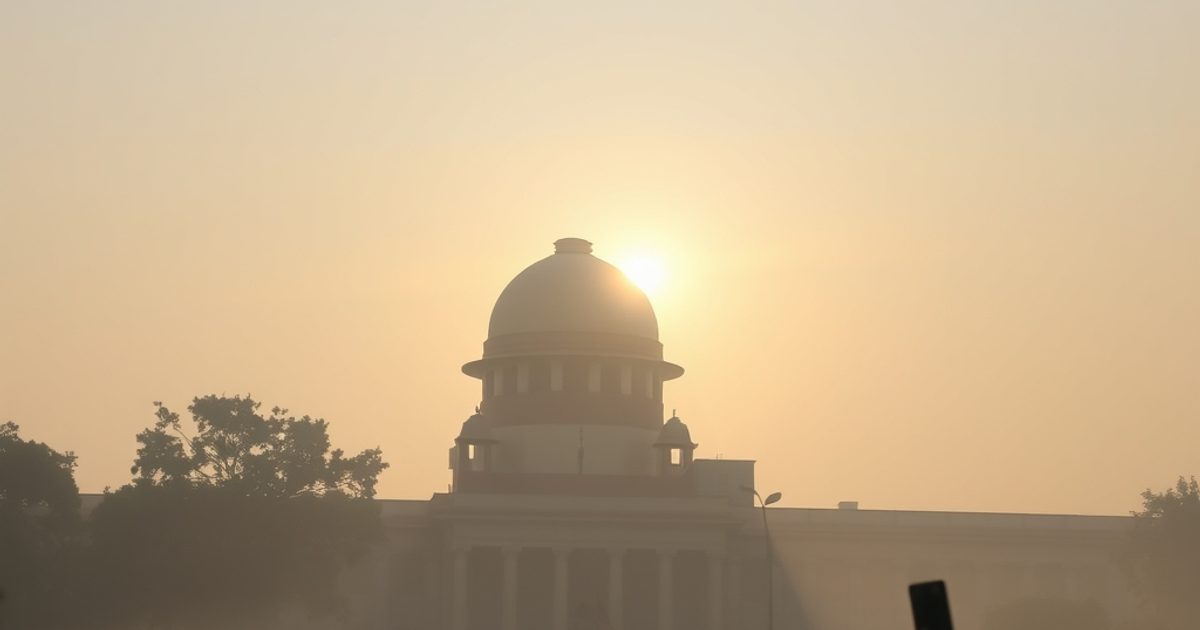
NEW DELHI — After 19 days of an indefinite hunger strike at Jantar Mantar, activist Sonam Wangchuk’s health has reportedly declined, prompting the Delhi High Court to intervene. The court instructed both the Union and Delhi governments to set up a system for regular medical monitoring of Wangchuk, ensuring that any further deterioration is recorded and addressed promptly.
Wangchuk, known for his environmental and anti‑mining campaigns in the Himalayas, began the fast to protest policies he says threaten fragile ecosystems and local livelihoods. His protest has drawn attention from a broad cross‑section of the diaspora, many of whom follow his work through community networks and social media.
The court’s order underscores the delicate balance between the right to peaceful protest and the state’s duty to safeguard a protester’s health. Officials are expected to appoint a medical team, conduct periodic assessments, and report findings to the bench.
For the South‑Asian diaspora, the development is a reminder of the ongoing activism on the subcontinent and the legal mechanisms that can be invoked when health risks emerge during high‑profile demonstrations.