
Durban's Indian Heritage: Cricket World Cup Glory, Ancient Temples, and New Consecrations
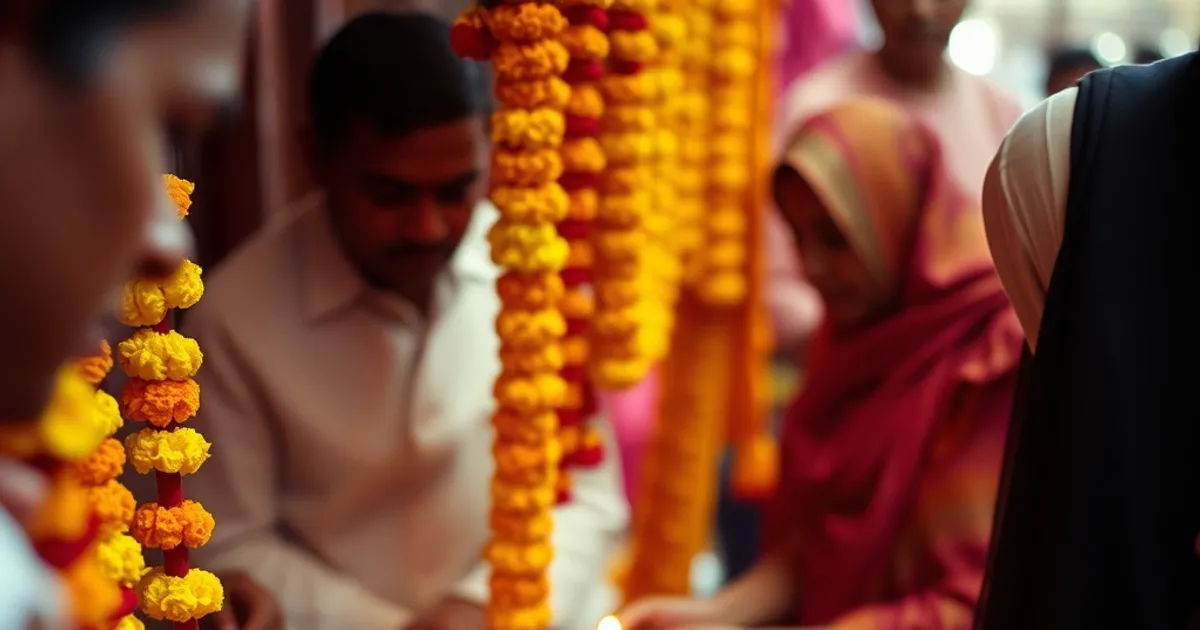
Durban, home to one of Africa's largest Indian communities, is making headlines on multiple fronts. The coastal city is in active negotiations to host the ICC Cricket World Cup 2027, a sport deeply woven into the fabric of Durban's Indian community. Meanwhile, cultural landmarks both ancient and new are drawing attention, from a historic Hindu temple built by Indian indentured labourers in 1860 to a grand new consecration ceremony marking a fresh chapter for the city's Hindu faithful.
🗳️ Durban Advances Negotiations to Host ICC Cricket World Cup 2027
Durban is in active negotiations to finalize a host city agreement for the ICC Cricket World Cup 2027, positioning the coastal South African city at the center of one of sport's most anticipated global events. The tournament, which will span multiple South African cities, carries enormous financial and cultural significance for Durban — a city whose Indian community has a deeply ingrained love for cricket that stretches back generations to when indentured labourers arrived from the subcontinent. The host city agreement will cover infrastructure investment, stadium upgrades, and logistical arrangements at Kingsmead Stadium, one of South Africa's most historic cricket venues. City officials have emphasized that landing the World Cup represents not just a sporting milestone but an economic opportunity that could generate millions in tourism revenue and global exposure for the region. For Durban's South Asian community, whose forebears arrived as indentured labourers in the 1860s and quickly embraced cricket as a sport of both competition and cultural identity, the World Cup hosting represents a moment of profound communal pride. Cricket has long served as a bridge between Durban's diverse communities, and a World Cup event is expected to draw tens of thousands of visitors — many from the global South Asian diaspora — to the city's shores in a celebration resonating far beyond any boundary rope. [3]
🪔 South Africa's Oldest Hindu Temple: A Living Monument Built by Indian Labourers in 1860
One of South Africa's most remarkable cultural landmarks, a Hindu temple built by Indian indentured labourers as far back as 1860, is drawing renewed attention as a symbol of the enduring spiritual legacy of Durban's Indian community. The temple, recognized as the oldest Hindu temple in South Africa, stands as a living monument to the generation of labourers who were brought from India to work on Natal's sugar plantations under British colonial rule. Despite arriving under conditions of servitude and profound uncertainty, these early Indian settlers carried with them their religious traditions, constructing places of worship that would anchor their community for generations to come. According to a report in Hindu Press International, the temple continues to serve as an active place of worship and a site of historical pilgrimage for the approximately one million South Africans of Indian descent. Its survival across more than a century and a half of political upheaval, including the apartheid era, speaks to the extraordinary resilience and devotion of South Africa's Indian Hindu community. Restoration and preservation efforts have helped maintain the temple's structural integrity, and community leaders are working to ensure its history is formally recognized and protected as a national heritage site for all South Africans to cherish. [5]
🪔 Grand Prana Pratishtha Consecration Marks New Chapter for Durban's Hindu Community
Durban's Hindu community celebrated a landmark spiritual occasion with the Grand Prana Pratishtha — the sacred consecration ceremony — of the Shri Chinmaya Annapoorna Devi Temple. The ceremony, a deeply significant ritual in the Hindu tradition that formally installs and consecrates the divine presence within a temple's main deity, was attended by hundreds of devotees and presided over by spiritual leaders from the Chinmaya Mission. The Chinmaya Mission, an international Hindu spiritual organization rooted in the teachings of Swami Chinmayananda, has a strong presence in South Africa's Indian community and operates centres dedicated to Vedantic study, yoga, and community service. The consecration of the Annapoorna Devi Temple adds a new spiritual centre to Durban's already rich network of Hindu religious institutions, offering a space dedicated to the goddess of food, nourishment, and abundance. Community members described the ceremony as a moment of profound joy and spiritual renewal, with elaborate rituals spanning multiple days drawing participants from across South Africa and the broader global Indian diaspora. The new temple is expected to serve as a hub for religious education, festival celebrations, and community gatherings for Durban's Hindu families in the years ahead, further strengthening the spiritual bonds that have united the community since their ancestors first arrived on South African shores. [6]
🍛 Durban Bunny Chow: South African Indian Culinary Heritage Takes Center Stage
Durban Bunny Chow — the iconic South African Indian street food consisting of a hollowed-out loaf of bread filled with rich curry — is earning fresh recognition as a culinary ambassador for the city's Indian heritage. Originally created by the Indian community in Durban as a practical and portable meal for workers during the apartheid era when black and Indian South Africans were barred from sitting at restaurant counters, bunny chow has evolved into one of South Africa's most beloved and globally recognized dishes. A Maine Public Radio community event celebrating Durban Bunny Chow as a South African Indian cooking experience has helped bring this extraordinary dish to new audiences, demonstrating how food serves as a vehicle for cultural storytelling and historical understanding. The dish's journey from apartheid-era necessity to celebrated global street food encapsulates the resilience and creativity of Durban's Indian community, who transformed constraint into culinary innovation. Today, bunny chow remains a staple of Durban's food culture, served in curry houses and street stalls across the city, enjoyed by South Africans of all backgrounds as a shared national treasure. Its growing international profile introduces new audiences to the story of Durban's Indian community and the remarkable culinary tradition they have gifted to South Africa and the world. [2]
Sources: [3] IOL · [5] Hinduism Today · [6] Hinduism Today · [2] Maine Public