
Desi Concerts & Cultural Shows Coming to Eindhoven
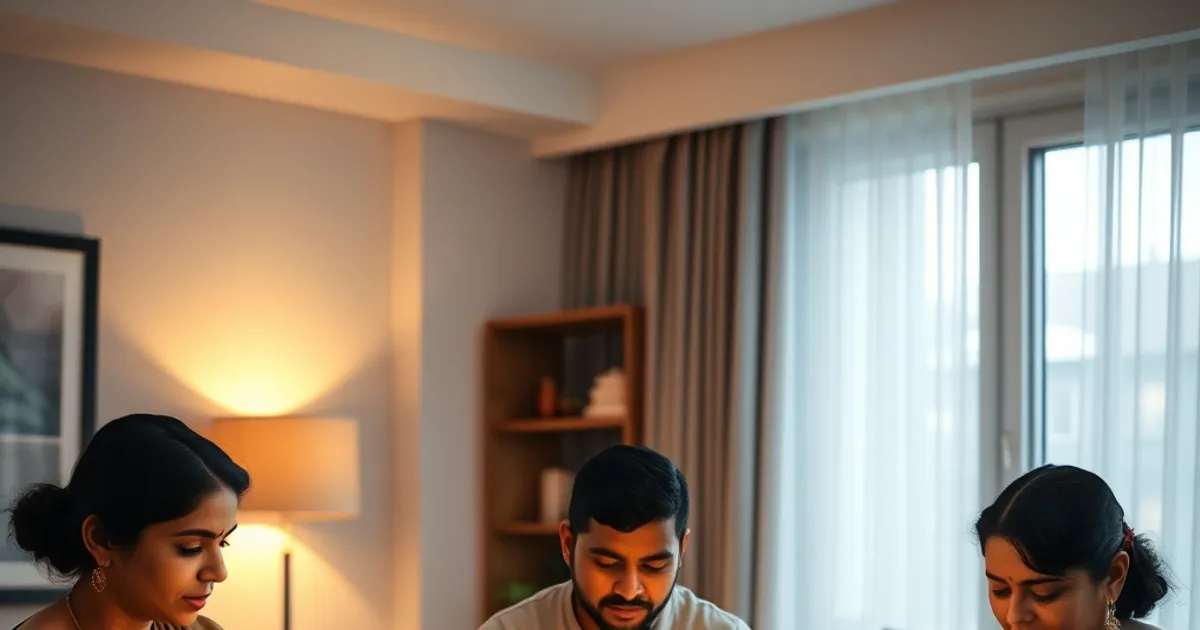
Desi Concerts & Cultural Shows Coming to Eindhoven
TL;DR 🗓️
- July and early August bring a concentrated run of Desi cultural observances to Eindhoven's South Asian community 🙏
- Ekadashi falls on both Jul 24 and Jul 25, with back-to-back fasting days observed across Shaivite and Vaishnava households 🌙
- Guru Purnima 2026 on Jul 29 is the spiritual centerpiece of the season — a full-moon night of gratitude and community
- Pradosh Vrat on Jul 27 offers a midweek evening of Shiva-focused prayer just before the full moon arrives
- Sankashti Chaturthi on Aug 2 closes out the stretch with a Ganesh observance that draws Maharashtrian families together
The Desi Cultural Calendar in Eindhoven This July
Eindhoven is many things: a design capital, home of the Brainport tech corridor, a city shaped by Philips and later by ASML and the ecosystem around them. For the South Asian professionals, students, and families who have made Eindhoven home over the past few decades, the city also represents something else — a place where the work is meaningful and the distance from the Indian subcontinent is measured not just in kilometers but in cultural context.
What bridges that distance, for many Desi families here, is the Hindu panchang. The lunar calendar does not adjust for geography. Ekadashi falls on the same day in Eindhoven that it falls in Pune or Hyderabad. Guru Purnima 2026 rises over the Netherlands with the same full moon that rises over Kerala. That consistency is a kind of continuity — connecting diaspora life here to the traditions that shaped the people who live it.
This July, the panchang delivers six observances in the span of ten days, followed by Sankashti Chaturthi early in August. For Eindhoven's Desi community, that concentration makes late July a season of genuine cultural activity — not in concert halls, but in living rooms, community centres, and the informal gatherings that characterize diaspora life at its most genuine.
Ekadashi: Two Fasting Days to Open the Season
The sequence begins with Ekadashi on July 24. In the Vaishnava tradition, this date is Devshayani Ekadashi — also known as Ashadhi Ekadashi — marking the start of Chaturmas, the four-month period when Lord Vishnu is said to enter a cosmic sleep. For South Indian, Gujarati, and Maharashtrian families in Eindhoven, this is a day of fasting, Vishnu stotra recitation, and keeping to a sattvic diet through the day.
What makes this year's calendar notable is that Ekadashi appears on both July 24 and July 25. This reflects a common panchang phenomenon: the lunar tithi can straddle two solar calendar days depending on its exact start and end time. Shaivite and Vaishnava families may observe on different days based on their regional tradition, and households of different origins often compare notes on which date their family panchangam specifies.
For Desi expats in Eindhoven who may not have a temple within easy reach, Ekadashi often becomes a quieter personal observance: a lighter meal, a bhajan playlist, a WhatsApp call home to family in Chennai or Ahmedabad to check which date they are observing. That informality does not diminish the meaning — if anything, maintaining observance in diaspora conditions reflects a commitment that the surrounding culture does not reinforce automatically.
Pradosh Vrat and the Approach of the Full Moon
Two days after Ekadashi, Pradosh Vrat arrives on July 27. Observed on the 13th lunar day of each half-month, Pradosh Vrat is dedicated to Lord Shiva. The vrat is performed in the evening twilight — the pradosh period, roughly ninety minutes after sunset — with lamp-lighting, Shiva Panchakshara mantra recitation, and quiet prayer.
July 27 sunset in Eindhoven comes well after 9 PM. That extended northern European summer daylight is something South Asian expats often remark on, but for Pradosh Vrat specifically it works in favor of working professionals. After a full day at the office or the lab, the transition into evening prayer carries a genuine reset quality. Some Desi families use Pradosh Vrat as an occasion for a small informal gathering — a few colleagues, a neighbor or two, children drifting in and out while elders pray. The form adapts to diaspora life; the substance holds.
Guru Purnima 2026: The Cultural Highlight of the Season
The centerpiece of this late-July stretch is Guru Purnima 2026, falling on July 29 — the same night as Purnima, the full moon. Guru Purnima is observed across Hindu, Buddhist, and Jain traditions as a day dedicated to teachers and spiritual guides. In the Hindu calendar, it falls on the full moon of Ashadha month.
For Desi communities living outside India, Guru Purnima carries a particular resonance. The "guru" in diaspora life encompasses many forms: a spiritual teacher or pandit, certainly, but also the PhD supervisor who helped someone navigate a foreign university system, the senior engineer who mentored a new arrival through their first months at ASML, or the classical music or bharatanatyam teacher who drives in from Amsterdam or Rotterdam to offer lessons to children on weekend afternoons.
Guru Purnima is the day when these relationships are acknowledged out loud. For some Eindhoven families, that means a formal puja and a call to their spiritual guru back in India. For others, it means reaching out to a mentor here in the Netherlands — a card, a message, a meal shared together. The observance scales to what each family makes of it.
Gatherings on Guru Purnima tend to be intimate: a satsang in a larger living room, bhajans sung collectively, chai and snacks afterward, conversations moving between Hindi, Telugu, Malayalam, and Dutch. The full moon (Purnima) on the same night adds a tangible anchor — stepping outside to see it over a Eindhoven neighbourhood sky is the kind of moment that stays with people.
Insider Tip: Eindhoven's South Asian network is active but not always visible on mainstream social media. Facebook groups for "Hindus in Netherlands," "Indians in Eindhoven," or "South Asians in Brainport" often carry private details about Guru Purnima satsangs and other community gatherings. These events tend to be welcoming to newcomers, and reaching out directly to an organizer is always accepted graciously.
Sankashti Chaturthi: Closing Out the Month
Sankashti Chaturthi on August 2 marks the fourth lunar day of the dark half of the month — one of two monthly Chaturthi dates dedicated to Ganesh. The name "Sankashti" means deliverance from troubles, and the observance involves fasting until moonrise and then performing Ganesh puja and aarti.
Sankashti Chaturthi is particularly prominent in Maharashtrian tradition, and it runs as a monthly rhythm for many families from Maharashtra rather than as an occasional special observance. For the Maharashtrian engineers and professionals in Eindhoven's technology sector, Sankashti is a quiet constant — the Ganesh bhakti that continues every month regardless of what else is happening professionally or socially.
Modak — the sweet stuffed dumpling traditionally offered to Ganesh — appears at Sankashti gatherings, though laddoo or other sweets serve equally well in diaspora kitchens where specific ingredients may be harder to source. The ritual of waiting for moonrise, watching the eastern horizon, and then breaking the fast with aarti has a straightforward beauty that requires no elaborate setup.
FAQ
What is the difference between the two Ekadashi dates, July 24 and July 25? The Ekadashi tithi can span parts of two solar calendar days depending on the precise lunar timings. Different regional Hindu traditions follow different conventions for which calendar day to observe. Families typically follow the panchangam of their regional or family tradition — a Maharashtra-origin family may observe on a different date than a Tamil Nadu-origin family.
Do you need a temple to observe Guru Purnima 2026? Not at all. Guru Purnima is fully meaningful as a home observance — a puja, some bhajans, and reaching out to teachers and mentors in your life captures the essence of the day. Temples and community satsangs add the dimension of collective practice, but the heart of Guru Purnima is gratitude, which can be expressed anywhere.
Is Pradosh Vrat specific to Shaivite communities? Pradosh Vrat is especially strong in Shaivite tradition, but the practice has spread across Hindu communities broadly. The core elements — evening prayer in the twilight period, Shiva mantra recitation, lamp-lighting — are accessible to any Hindu household regardless of their primary devotional focus.
What do people typically offer at Sankashti Chaturthi puja? Modak is the traditional offering, but laddoo is widely accepted. A Ganesh image or idol, flowers, incense, a lamp for aarti, and a sweet offering form the basic setup. Many families also recite the Sankashti Stotra or Ganesh Atharvashirsha during the puja.
Bottom Line 🌕
The late-July cultural calendar for Eindhoven's Desi community is real and full. Ekadashi (twice), Pradosh Vrat, Guru Purnima 2026, Purnima, and Sankashti Chaturthi form a sequence that South Asian families here observe with genuine care — in homes, in small gatherings, over video calls, and under the same full moon that the broader Desi world is watching. These are not substitute events. They are the events.