
Desi Events Happening in Franklin This Month
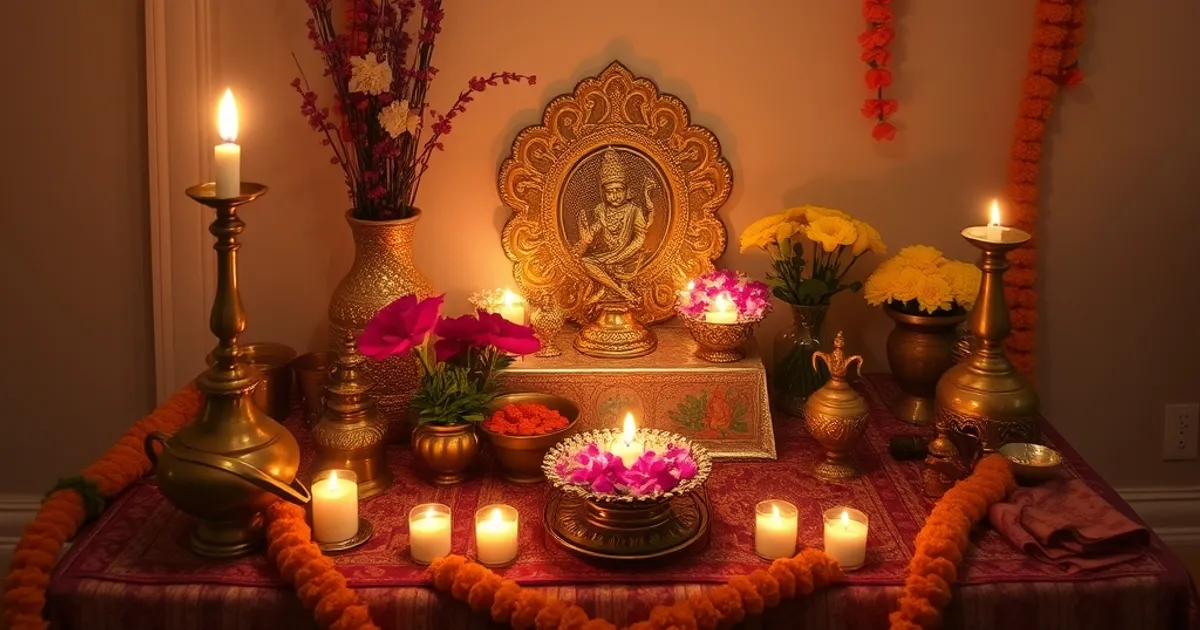
Hindu Festivals & Puja Calendar for Franklin (July–August 2026)
TL;DR
- 🏙️ Seven Hindu observances from July 29 through August 17 give Indian and Desi Franklin families a full season of sacred practice in one of Tennessee's most dynamic communities.
- 🌕 Guru Purnima 2026 falls on July 29 — a full-moon Tuesday evening that Franklin's growing South Asian professional community marks with particular resonance, honoring the teachers whose guidance shaped careers in medicine and technology.
- 🐍 Nag Panchami 2026 lands on August 17, a Sunday, offering the most community-friendly day of the week for an observance that carries ancestral weight for many Indian and Desi families in Williamson County.
- 📿 Ekadashi on August 8 and Pradosh Vrat on August 10 create a paired mid-August stretch ideal for focused personal practice during the busiest stretch of summer.
- 🔔 Sankashti Chaturthi on August 2 and Amavasya on August 12 round out a calendar that rewards those who follow the lunar month with consistent attention.
Franklin, Tennessee is not what most people picture when they think of an Indian and Desi community center. There is no India Square here, no stretch of sari shops, no cluster of cultural stores that date back to the 1980s. What Franklin has instead is something newer and in some ways more striking: an affluent, rapidly assembling Indian and Desi professional community that has arrived largely in the past 10 to 15 years, drawn by Nashville's explosive healthcare industry and the broader Tennessee economy. Williamson County is among the wealthiest counties in the United States, and Franklin — its seat — has become a preferred address for Indian-American hospitalists, cardiologists, nurse practitioners, and healthcare technology professionals who find that the combination of lower taxes, newer housing, and proximity to major medical centers makes this corner of the mid-South genuinely attractive.
Celebrating Hindu festivals here means doing so in a context that is still, in many respects, being built. There is no established Desi main street. Families rely on each other, on regional mandirs an hour or more away, and on the creativity that comes from being among the first to celebrate Guru Purnima 2026 or Nag Panchami 2026 in a Williamson County backyard. The July–August festival season offers seven such occasions.
The Calendar: Seven Observances From July 29 Through August 17
The season opens on July 29 with two overlapping observances: Purnima — the full moon — and Guru Purnima 2026. This is the most significant date in the entire July–August stretch. Guru Purnima is observed on the full moon day of Ashadha, honoring the guru-shishya relationship, the lineage of teachers, and the transmission of wisdom across generations. For Franklin's Indian and Desi community — where many families include physicians who credit mentors and professors with shaping their professional lives — Guru Purnima 2026 carries an additional dimension. The aarti and prayers of the evening are not merely ritual; they are an expression of gratitude that resonates deeply with the community's own professional identity. On a Tuesday night in late July, families come home from Vanderbilt Medical Center or Williamson Medical Center, change out of scrubs or business attire, and gather around the home shrine.
Sankashti Chaturthi arrives on August 2, the monthly fast for Lord Ganesha. Tennessee August evenings, when the humidity lingers and the heat of the day has not fully broken even after dark, provide a particular backdrop for the post-moonrise puja that concludes the Chaturthi fast. Franklin families who observe Sankashti Chaturthi often gather at each other's homes — the close fellowship of a small and growing community reinforcing itself through shared observance, modak and sweets offered across dining tables in the newer subdivisions of Fieldstone Farms or Berry Farms.
Ekadashi falls on August 8, the 11th lunar day associated with Lord Vishnu. Ekadashi fasting is one of the most widely observed practices in Hindu households, and for Vaishnava families in Franklin — many with origins in Gujarat or in the Vaishnava traditions of the north — this is a full commitment: no grains, specific fasting foods, and evening prayers. The Saturday timing this year allows families to observe the full fast without the pressure of a Monday morning workday.
The following Sunday, August 10, brings Pradosh Vrat — the twilight observance for Lord Shiva on the 13th lunar day. In Tennessee's late summer, the golden hour arrives around 8:00 PM, and the evening is warm enough for the small outdoor fire that some Shaivite families maintain as part of their Pradosh practice. Two consecutive days of observance — Ekadashi on Saturday, Pradosh Vrat on Sunday — creates a natural weekend of heightened spiritual practice for Franklin's Indian and Desi families.
Amavasya, the new moon, falls on August 12. For Indian and Desi families in Franklin who have aging parents visiting from India, or who maintain deep ancestral ties, Amavasya is the day for pitru tarpan — the offering of water and sesame seeds to ancestors who have passed. The solemnity of the new moon stands in marked contrast to the celebratory energy of the festivals that surround it, but for many families it is the most personally meaningful observance of the season.
The calendar closes with Nag Panchami 2026 on August 17, a Sunday — the best possible scheduling for an Indian and Desi community where weekdays are consumed by demanding healthcare and professional schedules. Nag Panchami venerates serpent deities with milk offerings, flowers, and prayers for protection. In Franklin's newer subdivisions, where homes have yards that many urban Indian families could only dream of, families can set up proper outdoor pujas in the morning before the August heat reaches its peak.
What Makes Franklin's Indian and Desi Community Different
Franklin's South Asian community is genuinely distinct from those in New Jersey, Silicon Valley, or even Nashville proper. The concentration of healthcare professionals — doctors and nurses who chose Williamson County for its school system and quality of life — gives the community a particular character. Many families are high-income, highly educated, and working schedules that make weekday observances genuinely challenging. Pediatricians on call do not take Ekadashi fasting days as personal time.
This shapes how festivals are prioritized. Guru Purnima 2026 on a Tuesday evening and Nag Panchami 2026 on a Sunday reflect the reality: the Sunday festival becomes a community event, while the Tuesday one is a quieter home practice. Indian and Desi families in Franklin have also, more than in longer-established communities, had to build their own institutions from the ground up. A Balvihar class in someone's living room. A Navratri garba at a rented community hall. A Guru Purnima gathering organized through a neighborhood group. These grassroots structures are the infrastructure of a community in formation — and there is genuine vitality in that process.
The Southern context matters too. Franklin's Desi families live in a city where many neighbors are unfamiliar with Hindu observances, which creates a particular dynamic: the home puja becomes not just personal practice but also community preservation. Every Sankashti Chaturthi gathering, every shared Amavasya tarpan, every Nag Panchami 2026 Sunday puja among friends is also an act of cultural continuity.
Insider Tip: Indian and Desi families in Franklin looking for a mandir for Guru Purnima 2026 or Nag Panchami 2026 celebrations should know that the Hindu Temple of Tennessee in Nashville is approximately 30 minutes north. Many Franklin families treat the drive as part of the festival experience — a deliberate transition from Williamson County's professional pace into sacred time. Carpooling among neighboring families is common and makes the journey a community moment in itself.
Celebrating in the Tennessee August
Franklin in August is warm and humid in a way that surprises people expecting uniformly scorching Southern heat. Williamson County sits on a plateau giving it slightly milder temperatures than Nashville proper, but August evenings are still in the 80s with humidity to match. Puja spaces — whether a dedicated room in the home or a shaded backyard area — benefit from good ventilation. Fresh flowers for Guru Purnima 2026 offerings and Nag Panchami 2026 pujas can be sourced from local farmers' markets or grocery stores; specialty Indian puja supplies require a trip to Nashville or advance ordering. Planning a week ahead for Nag Panchami 2026 supplies is particularly advisable, as the Sunday timing will mean higher community demand.
FAQ
Q: What is Guru Purnima 2026 and why is it particularly significant? Guru Purnima falls on the full moon of Ashadha and honors the guru-shishya tradition — the relationship between teacher and student that is central to Hindu, Jain, and Buddhist practice. It is the day on which disciples pay respect to their spiritual and academic teachers. Indian and Desi families often mark it with aarti, readings, and expressions of gratitude toward teachers in their lives.
Q: How does a smaller community like Franklin's observe Nag Panchami 2026? In communities without established mandirs, Nag Panchami 2026 is typically a home-based or small-group observance. Families clean and prepare a shrine, offer milk and flowers to an image of the serpent deity, say the appropriate prayers, and often share a meal. The Sunday timing in 2026 makes it easier for Franklin families to gather together and extend the observance into the afternoon.
Q: What is Sankashti Chaturthi and is it widely observed? Sankashti Chaturthi is the monthly fasting day for Lord Ganesha, observed on the fourth day of the waning moon. It is widely kept among Maharashtrian families but observed across many regional traditions. The fast is broken only after moonrise, concluding with the Sankatahara Chaturthi stotra.
Q: How should families in hot climates plan for festival fasting? Fasting in summer heat, particularly on Ekadashi in August, requires careful preparation: adequate hydration before the fast begins, rest during peak heat hours, and mindful attention to breaking the fast with easily digestible foods. Elders and those with health conditions should follow their pandit's or physician's guidance.
Q: Are there Hindu temples near Franklin, Tennessee? The Hindu Temple of Tennessee in Nashville is the closest established mandir, roughly 30 minutes from Franklin. Indian and Desi families in Franklin typically travel there for major celebrations, including Guru Purnima 2026 events and larger community gatherings around Nag Panchami 2026.
Bottom Line
For Indian and Desi families in Franklin, the July–August 2026 festival season — from Guru Purnima 2026 on July 29 through Nag Panchami 2026 on August 17 — is an opportunity to deepen the roots of a community still finding its footing in Williamson County's Tennessee landscape. The calendar offers seven touchpoints: some solemn, some celebratory, each one a thread in an identity being woven anew in the mid-South. Sankashti Chaturthi, Ekadashi, Pradosh Vrat, Amavasya: observe them with intention, seek out your neighbors, and let the Shravan season plant something lasting in Franklin's red-clay soil.