
Desi Concerts & Cultural Shows Coming to Fresno
TL;DR
- 🗓️ Fresno's South Asian community observes a packed calendar of Hindu lunar events from late July through mid-August 2026
- 🌕 Purnima (full moon) on July 29 opens the cycle with fasting and prayer traditions across the community
- 🕉️ Sankashti Chaturthi on August 2 draws Ganesh devotees for evening rituals and family gatherings
- 🐍 Nag Panchami 2026 on August 16 brings one of the season's most visually striking and regionally diverse celebrations
- 🎊 Each event gives Fresno's Desi families a reason to cook together, gather, and stay connected to cultural roots
What Fresno's South Asian Calendar Looks Like Right Now
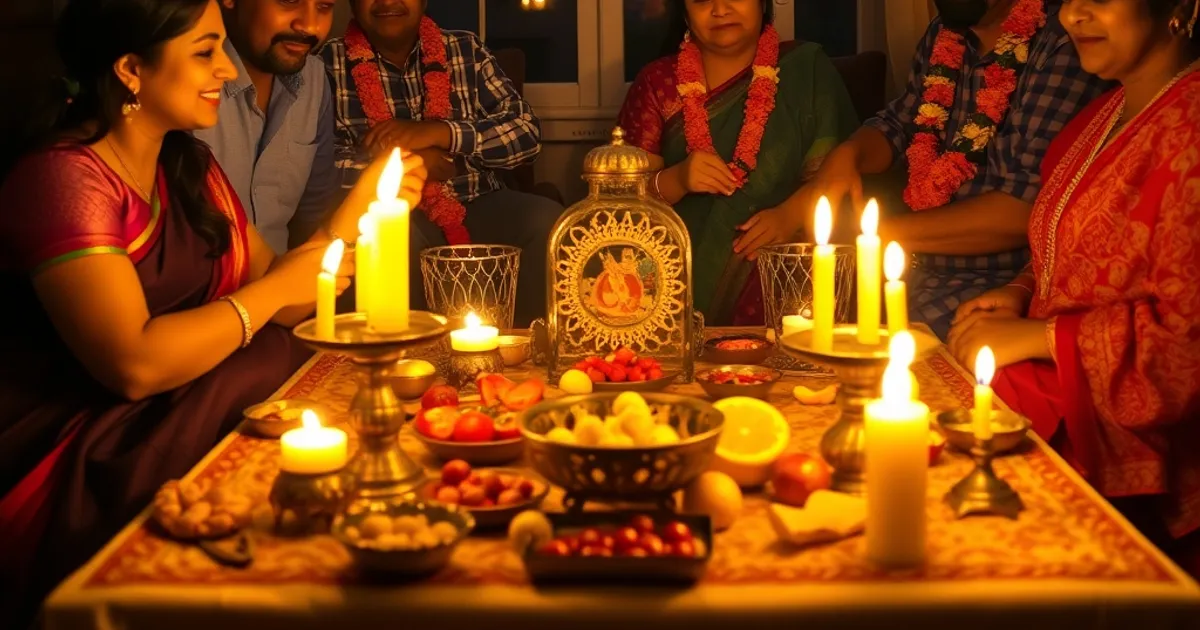
Fresno doesn't always make headlines as a Desi hub, but look at the city's community halls, temples, and home kitchens over the next few weeks and you'll find a South Asian cultural calendar that rivals many larger metros. From late July through mid-August 2026, a sequence of Hindu lunar observances fills the schedule — and for thousands of Indian-American families across the Central Valley, these dates carry as much weight as any concert or public event on the city calendar.
Understanding this calendar isn't just about knowing when to fast or pray. It's about grasping how the Desi community in a mid-size American city like Fresno uses recurring rhythms to maintain identity, build friendships, and pass traditions to the next generation.
The Lunar Events: What's Happening and Why It Matters
The cycle begins with Purnima on July 29. Purnima is the full moon day observed each month in the Hindu calendar, and it carries particular importance in summer when it often coincides with Guru Purnima or Shravan Purnima. For Fresno families, this day typically means early-morning prayers, fasting for those who observe, and evening gatherings that can range from quiet household puja to temple programs drawing dozens of community members. The full moon has always been a social anchor — in an agricultural region like the Central Valley, that resonance runs deeper than many people realize.
Just a few days later, on August 2, comes Sankashti Chaturthi — the fourth lunar day of the Krishna paksha (waning moon fortnight), dedicated to Lord Ganesha. This is a monthly observance, but it takes on extra weight during the Shravan month, the sacred Hindu month that falls roughly in July and August. Devotees fast through the day and break the fast after sighting the moon in the evening, following prayers. In Fresno, this often means extended family gatherings where elders lead the rituals and younger generations participate — sometimes for the first time with real understanding of what they are doing.
Ekadashi falls on August 8, the eleventh lunar day and one of the most widely observed fasting days in Vaishnavism. Different communities observe it slightly differently — some strictly abstain from grains, others from all food — but the common thread is devotion to Lord Vishnu. In Fresno, Gujarati and North Indian families who take this observance seriously often organize small group prayers or bhajan sessions in the evenings.
Pradosh Vrat on August 10 is a twice-monthly observance dedicated to Lord Shiva, falling on the thirteenth lunar day. The pradosh kaal — the twilight period roughly 1.5 hours before and after sunset — is considered the most auspicious time for Shiva worship. Families who observe Pradosh Vrat often plan their weekday schedules around this window, finishing work or school activities in time to gather before evening.
Then comes Amavasya on August 12, the new moon day. While some associate the new moon with inauspiciousness, Amavasya holds profound ritual importance in many South Asian traditions — particularly for ancestor veneration (pitru tarpan) and for Shakti worship. The Shravan Amavasya carries special significance and is observed with dedication across many communities.
The cycle closes with Nag Panchami 2026 on August 16, one of the most culturally distinctive festivals in this stretch of the calendar. Dedicated to serpent deities, Nag Panchami combines agricultural roots — snakes as protectors of fields and granaries — with deep mythological traditions. Women in many communities offer milk and flowers to snake images, and the day is often marked by folk songs and regional sweets. In diaspora settings like Fresno, Nag Panchami 2026 tends to become an opportunity for communities from Maharashtra, Karnataka, Andhra Pradesh, and other states where the festival is especially prominent to gather and share their distinct regional traditions.
How These Events Shape Community Life
What makes this stretch of the calendar remarkable isn't any single event — it's the density. Six significant observances in eighteen days means the South Asian community in Fresno is in a sustained mode of cultural engagement through most of August. For parents raising children in the Central Valley, this period is often the most reliable time to transmit traditions that might otherwise fade in an American context.
Fresno's Desi community is more diverse than the city's size might suggest. Punjabi families, Telugu-speaking professionals who moved to the area for agriculture-adjacent industries, Gujarati business owners, and Tamil families represent just a slice of the population. Not all communities observe every event — Ekadashi may be front-and-center for one family while Nag Panchami 2026 dominates another's calendar. But the concentration of observances means that at any given weekend, something is happening somewhere in the community.
The cultural expressions around these events extend beyond strictly religious practice. Home cooking takes on communal dimensions — people share specific fasting foods like sabudana khichdi, fruit preparations, and kuttu rotis, along with regional sweets and prasad. Children learn recipes alongside prayers. Elders share stories about how the same festivals were observed back in their home states. These conversations are where culture actually lives, regardless of whether they happen in a temple hall or a living room.
The Shravan season also activates the South Asian social infrastructure in Fresno that isn't always visible from the outside. Temple bulletin boards fill up with announcements. Community WhatsApp groups circulate puja timings. Neighbors who might exchange only brief pleasantries the rest of the year end up at the same households for Sankashti Chaturthi or Pradosh Vrat evenings. The observances function as recurring social technology as much as religious practice.
Insider Tip
If you are new to Fresno's Desi community or visiting from out of town, the most reliable way to find out where observances are happening is through local temple WhatsApp groups and community email lists — not public event listings. Ask anyone at a local Hindu temple about the Shravan calendar; temple bulletin boards are consistently the most current source of puja schedules, potluck arrangements, and community gathering details. Arriving respectfully and willing to participate goes a long way.
FAQ
Do I need to be Hindu to attend or participate in any of these events? Many temple programs and community gatherings are open to all respectful visitors. The best approach is to ask the organizers in advance and follow any dress or behavior guidelines they provide.
Are there public events in Fresno around these dates, or is it mostly private? Both. Temples hold programs that community members can attend. Smaller observances like Ekadashi or Pradosh Vrat are often more private, held at home or in small groups. Nag Panchami 2026 sometimes draws larger community events depending on temple programming.
How do the dates shift from year to year? These observances follow the Hindu lunar calendar, which doesn't align with the Gregorian calendar. The dates above apply to 2026; they will land on different dates in future years.
What's the best way to stay informed about Desi events in Fresno? Local Hindu temples maintain calendars and often send newsletters or manage community groups. Desi.Net's Fresno city directory is also a useful starting point for finding community organizations and contacts.
Are these observances the same across all Indian communities? No — regional traditions vary significantly. Nag Panchami 2026 is observed more intensely in Maharashtra and Karnataka than in other parts of India. Sankashti Chaturthi is particularly significant among Maharashtrian communities. Ekadashi holds special weight in Vaishnava traditions. Real regional diversity exists among Fresno families.
Bottom Line
Fresno's South Asian community is actively engaged with a rich cultural calendar through the Shravan season. From Purnima on July 29 through Nag Panchami 2026 on August 16, this is one of the most culturally active stretches of the Desi year — and for families throughout the Central Valley, it's a season of gathering, cooking, praying, and connecting across generations. Knowing these dates is your starting point for understanding what drives the community life unfolding around you.