
Two Sikh Candidates Could Make Fresno Council History as City's First Punjabi Mental Health Center Opens
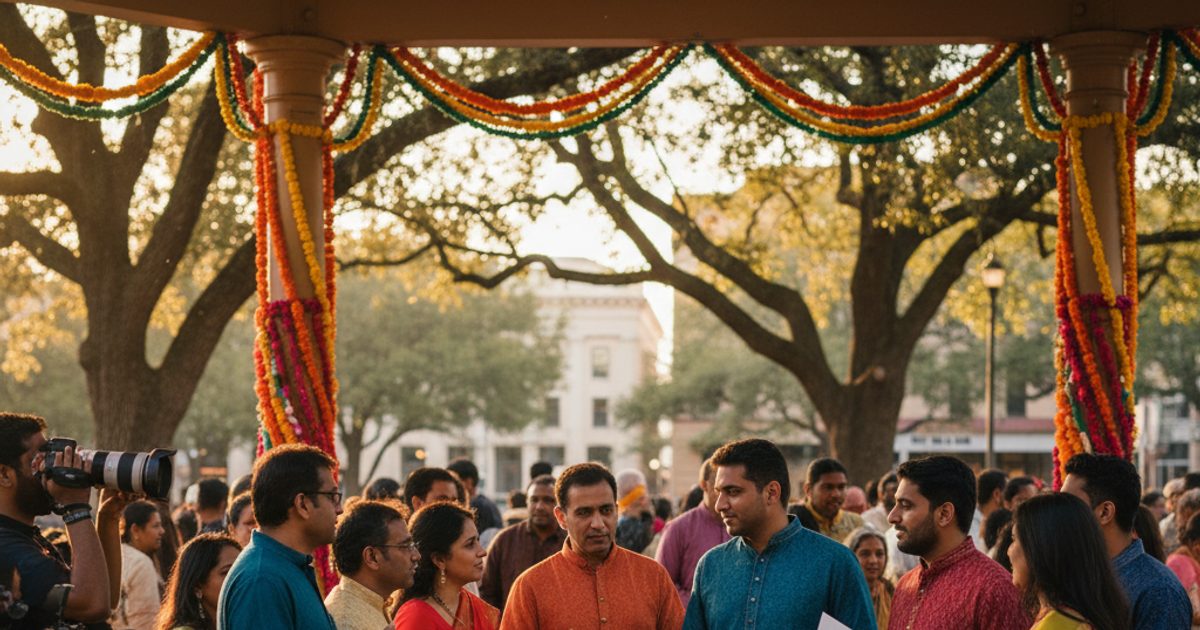
Fresno's Punjabi Sikh community is stepping into civic life on two significant fronts this season. Two Sikh candidates competing in the June city council primary could become the first members of their faith ever elected to that body, while a newly established Punjabi Sikh counseling center is directly confronting a stigma that its founders say can be fatal.
Breaking a Glass Ceiling at Fresno City Hall
Fresnoland, the nonprofit outlet covering public policy across the Central San Joaquin Valley, is reporting on a historic moment in local Sikh political life. Two candidates running in the June 2026 primary for seats on the Fresno City Council would, if either wins, become the first Punjabi Sikh person ever elected to that legislative body. They have described the race in terms of breaking what they call a glass ceiling — both for the city of Fresno and for its Sikh communities. Fresno is home to one of the largest concentrations of Punjabi Sikhs in California, a community with roots in the San Joaquin Valley stretching back more than a century, predominantly tied to agricultural labor that helped build the region's farming economy. Despite this long and significant presence, Sikh representation in city government has remained absent. These candidacies signal a generational transition: community members who grew up navigating Fresno's civic landscape as outsiders are now pursuing a direct role in shaping it. The June primary will be watched closely by Sikh communities across the state as a test of whether demographic presence can translate into electoral power at the local level. [1]
🤝 Sikh Council Candidates Lead the Fundraising Race
Fresno State's student newspaper The Collegian is reporting that the two Sikh candidates vying for seats on the Fresno City Council are leading the field in campaign fundraising. In competitive local elections, fundraising totals serve as an early indicator of organizational strength, community backing, and long-term campaign viability. Leading the money race ahead of the June primary signals that both candidates have successfully mobilized donors, built ground-level support networks, and positioned themselves to compete seriously into the final stretch of the contest. For the Punjabi Sikh community in Fresno, these fundraising figures carry meaning beyond campaign finance. They reflect a community investing resources into its own political future, shifting from the sidelines of civic life toward direct participation in the mechanisms that determine local policy, resource allocation, and governance. The Central Valley's Punjabi diaspora, long a backbone of the region's agriculture sector and increasingly represented in business and the professions, has historically channeled civic energy through gurdwaras and cultural associations. The leap into electoral organizing represents a new phase of that civic engagement. The Collegian's coverage also highlights the value of campus journalism in amplifying stories that mainstream outlets may undercover, ensuring that this milestone candidacy receives the local attention it merits. [2]
Indian-Americans Push for a Voice in Local Government
KVPR, the NPR affiliate serving California's Central Valley, is covering the broader civic significance of two Indian-American candidates running for Fresno City Council seats. The station's coverage frames this not just as a local electoral contest but as a reflection of a longer-standing desire within the Desi community to move from advocacy on the margins to direct representation inside the institutions that make decisions. For many South Asian immigrants and their children, local government can feel distant — a body that affects daily life through zoning, public safety, and services but rarely reflects their faces or hears their concerns through elected voices. Fresno's South Asian population, which includes Punjabi Sikhs alongside smaller Gujarati, Tamil, and other communities, has long been civically active but more often through community organizations than through electoral office. These candidacies mark a shift. KVPR's decision to cover them through a public radio platform also carries weight: it introduces these candidates and their community's aspirations to a Central Valley audience that extends well beyond the Desi community itself. For Desi listeners, hearing Indian-American civic ambition covered as a legitimate and significant story on public radio signals a form of cultural recognition that matters alongside the election results themselves. [3]
🪔 BAPS Community Celebrates Diwali and Annakut in Fresno
The BAPS Swaminarayan Sanstha community in Fresno observed the Diwali and Annakut festival season, bringing devotees together for one of the most sacred occasions in the Swaminarayan religious calendar. Diwali, the Hindu festival of lights, marks the new year in the Gujarati tradition, while Annakut — meaning 'mountain of food' — takes place the following day and involves the offering of hundreds of food items before the deity, all prepared by community members and later distributed as prasad. In the BAPS tradition, the Annakut celebration is an elaborate act of devotion and communal participation, with families contributing dishes that together represent the abundance of creation offered back to God. The Fresno BAPS center serves a growing Gujarati Hindu community in the Central Valley, drawing families from across the region for major festival gatherings. Beyond their spiritual significance, BAPS celebrations in diaspora settings serve as anchoring events that reinforce cultural identity across generations, bring young people into living contact with tradition, and strengthen social bonds within communities that can otherwise feel dispersed. For Gujarati and other Hindu families in Fresno, the Diwali-Annakut celebration at BAPS is among the most anticipated gatherings of the year — a time to worship together, share food, and mark the new year surrounded by community. [4]
Fresno's First Punjabi Sikh Center Takes On Therapy Stigma
The Fresno Bee is reporting on the opening of Fresno's first Punjabi Sikh mental health center, a community resource its founders describe as urgently overdue. They frame the stakes in stark terms: the stigma that keeps community members from seeking therapy, they say, literally kills people. Mental health stigma runs deep in many South Asian communities, where emotional distress is frequently handled within the family or through religious counsel rather than through professional therapy. In Punjabi communities specifically, this reluctance is reinforced by cultural norms around stoicism, family honor, and a sense that seeking outside psychological help reflects poorly on the household. The result is that depression, anxiety, trauma, and other conditions frequently go untreated until they reach crisis levels. The new center is designed to address this by embedding mental health services within a culturally familiar context — with counselors who speak Punjabi, understand the community's specific pressures and expectations, and can engage clients without requiring them to first navigate the cultural gap that conventional therapy offices can represent. Fresno's Sikh population spans farmworkers, small business owners, and professionals across multiple generations, all of whom face stressors that culturally competent mental health support could help address. The center's opening marks a meaningful advance in health equity for the Central Valley's Desi community, and its culturally grounded model could inform similar efforts elsewhere in California. [5]
Sources: [1] Fresnoland · [2] The Collegian · [3] KVPR · [4] BAPS Swaminarayan Sanstha · [5] Fresno Bee