
Desi Things to Do in Ghaziabad (July 2026)
Desi Things to Do in Ghaziabad (July 2026)
TL;DR
- Guru Purnima 2026 lands on July 29 — the spiritual anchor of the month, with ashram programs and satsang gatherings across the city 🙏
- Nag Panchami 2026 on August 17 brings milk offerings and street-level processions to neighbourhood shrines 🐍
- Sankashti Chaturthi (August 2) is a low-key, high-meaning day for Ganesha puja before the bigger festivals begin
- The Hindon River ghats and City Forest offer open-air settings for morning rituals and monsoon walks
- Ekadashi (Aug 9) and Amavasya (Aug 12) fall back-to-back — a strong stretch for ancestral remembrance and fasting
The Festival Calendar: What's On in July–August 2026
Ghaziabad sits right at the edge of Delhi NCR and carries the full weight of a north Indian city's ritual calendar. The months of July and August pack some of the most significant observances of the Hindu year into just four weeks, and the city's temples, open ghats, and community halls reflect that intensity.
The month opens with Purnima on July 29, the full moon day. This particular full moon carries double weight because it coincides with Guru Purnima 2026 — the day set aside to honour teachers, spiritual guides, and gurus across every tradition. Ashrams and satsang centres around Raj Nagar Extension and the older parts of the city typically hold special programs on this day. If you are connected to any teacher or tradition, this is the day to attend a formal gathering; the atmosphere is unlike anything you will find on an ordinary weekend.
Two days into August, Sankashti Chaturthi marks the fourth day of the waning moon in the lunar month — a day dedicated to Lord Ganesha. Observant devotees fast until moonrise and offer prayers before breaking the fast. In Ghaziabad, neighbourhood mandirs — especially those dedicated to Ganesha — see steady footfall through the evening hours. No special ticketing or permissions are needed; show up, observe, and participate as you feel comfortable.
Exploring the City Between Observances
Between major fast days, Ghaziabad offers enough to keep any visitor engaged. City Forest — the green lung of the city — works well for early morning walks even during the monsoon, though footpaths can be slippery after overnight rain. Go before 8 a.m. if you want the cooler air and fewer crowds.
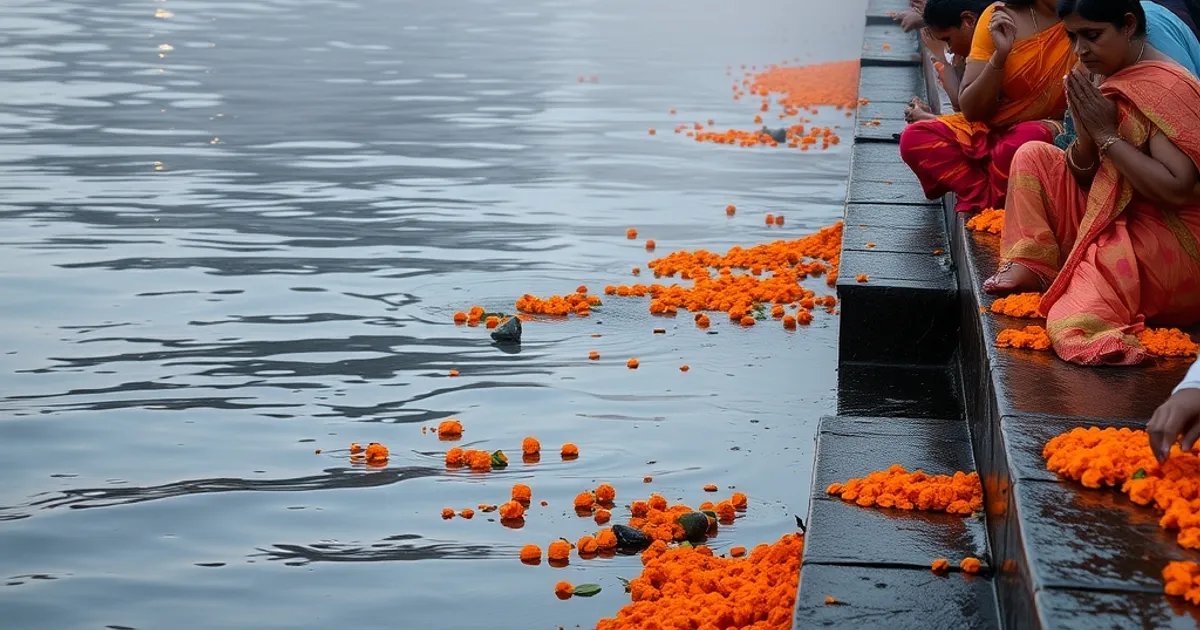
The Hindon River, which runs through the eastern edge of the city, takes on a different character in July and August: the water level rises, the banks darken, and local fishermen shift their positions accordingly. The river is not a swimming spot — the currents are unpredictable during monsoon — but the ghats near the water are used for morning rituals, and observing the activity from a distance gives a real sense of how the city relates to its waterways.
Raj Nagar Extension and the broader Indirapuram belt have become the commercial spine of modern Ghaziabad. This is where the largest concentration of restaurants, multiplexes, and weekend markets sits. The monsoon season gives street food vendors a natural boost; pakora stalls and chai carts thrive in the damp air, and most spots set up canopied seating.
The Dasna Devi Temple area, on the road toward Hapur, attracts significant footfall during auspicious days. Plan for extra travel time on festival dates — the approach road gets congested and auto-rickshaws are often the faster option.
Ekadashi, Amavasya, and the Quieter Face of August
Ekadashi falls on August 9, the eleventh day of the lunar fortnight — observed as a fast day by a large proportion of the city's Hindu population. Some restaurants in older neighbourhoods modify their menus on Ekadashi; sattvic thali options appear more prominently. If you are keeping the fast, the evening puja at riverside mandirs is worth attending.
Amavasya arrives on August 12, the no-moon night. This is one of the most significant days in the Hindu calendar for pitru tarpan — offerings made to ancestors. Families gather at river ghats, and the Hindon River ghats in Ghaziabad see meaningful activity. The mood is introspective rather than celebratory; this is the quieter, more private side of the city's spiritual life.
Insider Tip: If you plan to visit the Hindon River ghats on Amavasya, go early — before 9 a.m. The crowd builds steadily through the morning, and by late morning, parking and access become difficult. Local auto-rickshaws know the back routes and can save you significant time.
Nag Panchami 2026: A Street-Level Festival
Nag Panchami 2026, on August 17, is one of the most visually distinct festivals of the monsoon season. Dedicated to serpent deities, the day involves milk offerings at snake idols — usually in temple premises or at natural sites where snakes are believed to dwell. In Ghaziabad, local temples organise puja sessions through the morning, and small processions sometimes form in older residential colonies. The festival has a grassroots quality that larger celebrations often lack: it unfolds in streets, courtyards, and doorways, not only in formal temple spaces.
Practical Notes for Visitors
Getting to Ghaziabad from Delhi is straightforward. The Delhi Metro Blue Line reaches Vaishali station, while the RRTS rapid rail corridor connects New Delhi to Ghaziabad in under 40 minutes. For those driving, expect traffic on the NH-9 approach during rush hours and on festival evenings.
The monsoon in Ghaziabad runs hot and humid. July temperatures hover in the 30–34°C range with significant humidity; August is slightly wetter. Pack light cotton clothing and carry a compact umbrella — afternoon showers are frequent but often brief.
Most temples in the city do not charge entry fees. Some ashrams hosting Guru Purnima 2026 programs require prior registration. Confirm locally before you visit.
FAQ
Is Ghaziabad worth visiting for festivals if I am already in Delhi? Yes. The city is close enough for a day trip and the festival atmosphere has a different texture — less tourist infrastructure, more genuine local participation.
Which festival on this calendar is the most visually engaging? Nag Panchami 2026 tends to be the most photogenic, with street-level activity happening organically through the morning. Guru Purnima 2026 has more organised programming with a contemplative quality.
Can I visit the Dasna Devi Temple area on any of these festival days? Yes, but plan for longer queues. The approach road gets busy on Purnima and the August festival days listed here, though they are moderate rather than peak-crowd events.
Is the Hindon River safe to visit? The river banks and ghats are safe to walk along. Swimming is not recommended due to monsoon currents and water quality. The ghats themselves are accessible and active on auspicious mornings.
Bottom Line
Ghaziabad in July and August 2026 offers a back-to-back festival calendar that rewards anyone willing to move through the city at the pace of its ritual life. Guru Purnima 2026, Sankashti Chaturthi, Nag Panchami 2026 — these are not events staged for visitors. They are lived observances, with the texture that comes from a city that has been practising them for generations. Add the accessible transit from Delhi, the monsoon atmosphere, and the genuine urban energy of a major NCR city, and this stretch of the calendar earns a closer look.