
Best Temples & Mandirs in Guntur (2026)
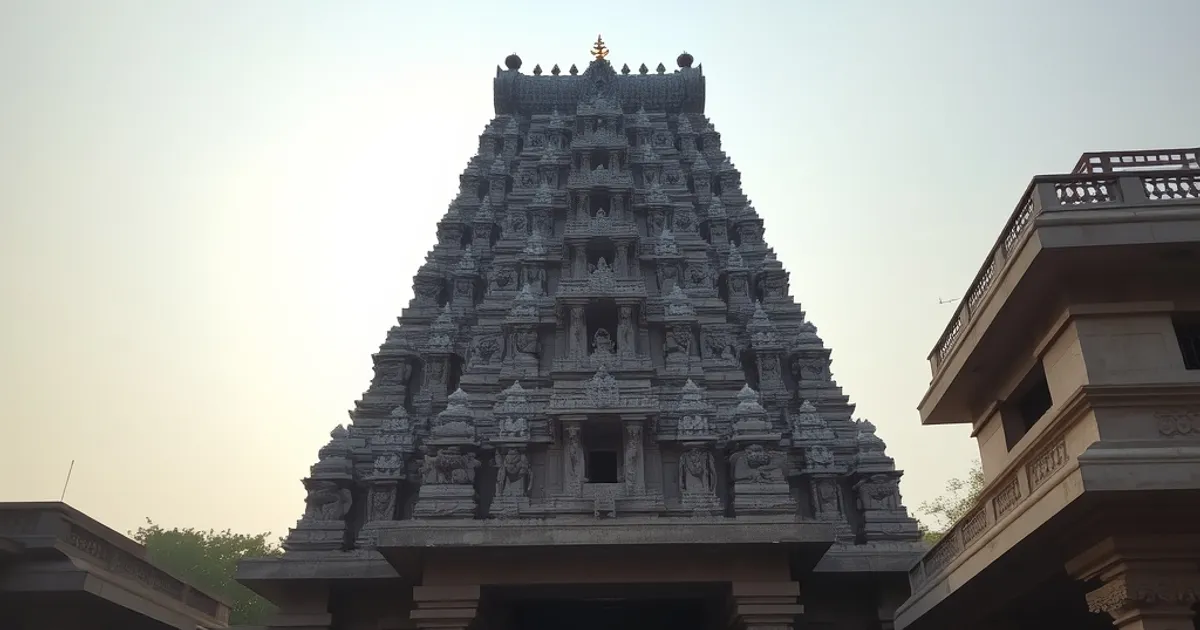
TL;DR 🙏
- Guntur is home to dozens of active temples spanning Shaivite, Vaishnavite, Shakta, and Jain traditions
- Swayambhu Sri Pushpadri Lakshmi Nrusimha Swamy Temple in Nallapadu is one of the most distinctive sites in the district 🌺
- Ankamma Thalli Temple, Abhaya Anjaneya Swami Temple, and Mallinathji Jain Temple each represent a different strand of the city's spiritual life
- Many temples are neighborhood institutions — compact, community-run, and deeply woven into daily life
- This guide covers the breadth of Guntur's mandir landscape so you can plan your visits efficiently
Guntur's Temple Tradition: A City of Many Deities
Guntur is a major city in Andhra Pradesh, positioned at the crossroads of Krishna district and the interior Deccan. It is a city where the sacred is thoroughly embedded in the urban fabric. Mandirs occupy main roads and side lanes in equal measure — some are ancient foundations with long histories, others are neighborhood shrines built by local communities over the last few decades. Together they form a network of spiritual life that spans the full breadth of Hindu devotional practice, with room also for Jain worship.
The city's diverse temple landscape reflects Andhra Pradesh's own pluralistic devotional heritage. Shaivite temples dedicated to Shiva and his forms stand alongside Vaishnavite shrines for Venkateshwara, Satyanarayana, and Nrusimha. Shakta temples honor goddess figures — Ankamma, Polera Amma, Sathemma — who are revered particularly as protective village and town deities across Andhra. And the presence of Mallinathji Jain Temple signals the Jain community's long-established roots in the city's merchant history.
What follows is a guide to the temples in Guntur that serve as genuine community anchors — places where daily rituals, festival programs, and devotional activity carry on year-round.
Goddess Temples: Shakta Tradition in Guntur
Guntur's Shakta temples — those dedicated to goddess figures — are among the most visited and emotionally significant in the city. They serve neighborhoods as much as they serve individual devotees.
Ankamma Thalli Temple on Old Guntur Main Road is dedicated to Ankamma, a village goddess widely revered across Andhra Pradesh as a protector and healer. Her temples are typically compact and active, with daily offerings and special programs on Tuesdays and Fridays. Devotees visit to seek blessings for family health, protection, and the resolution of difficulties.
Sathemma Thalli Temple in Gudi Bazar honors Sathemma, another form of the protective goddess tradition in Andhra. Located in the Gudi Bazar area — a part of old Guntur with a concentration of temple activity — this mandir maintains continuous daily worship.
Sharadha Ammavari Gudi (sharadha ammavari gudi) at 2/14 Brodiepet 2nd Lane is dedicated to Sharadha Devi, the goddess of learning associated with the Sharada tradition. This temple is especially significant during Navaratri and Saraswati Puja, when students and scholars seek blessings for their studies.
Poleramma Temple, located opposite a jewelry shop in the city, is dedicated to Polera Amma — a goddess of epidemic protection deeply rooted in Andhra village tradition. Her temples historically served as community health sanctuaries.
Shaivite and Vaishnavite Mandirs
Guntur has a strong Shaivite tradition alongside its Vaishnavite worship.
Shivalayam on bamboor main road is a traditional Shiva temple serving the locality with daily abhishekam and lingam worship. These neighborhood Shivalayams are the backbone of Shaivite practice in any Andhra city — accessible, continuous in their ritual observance, and deeply familiar to the surrounding households.
Sree Someswara Swami Devasthanam on Guntur-Amaravathi Road is a dedicated Shiva temple with a name invoking the Soma (moon) aspect of the deity. The road to Amaravathi — the ancient Buddhist capital and now the proposed Andhra state capital — adds historical resonance to this site's location.
Malleshwara Swamy Temple in the Lam area is another Shiva mandir, serving residents of that neighborhood with regular worship programs.
On the Vaishnavite side, Sri Venkateshwara Swamy Temple in Srinivas Nagar Colony channels the great Tirupati devotional tradition into the local setting — Venkateshwara being the most widely worshipped form of Vishnu in Andhra Pradesh. Sri Satyanarayana Swamy Temple at Arundelpet 11th Line similarly serves the Satyanarayana tradition, associated with auspicious vrat pujas performed during family milestones.
Swayambhu Sri Pushpadri Lakshmi Nrusimha Swamy Temple in Lakshminarasimha Puram, Vengalayapalem, Nallapadu stands apart from the rest. A swayambhu temple is one where the deity idol is believed to have manifested itself rather than being installed by human hands — a classification that dramatically elevates its spiritual prestige. Lakshmi Nrusimha (the lion-man form of Vishnu alongside Lakshmi) is revered here in what devotees consider an ancient and self-arisen form. This temple in Nallapadu is worth the journey outside the main city.
Insider Tip: Swayambhu Sri Pushpadri Lakshmi Nrusimha Swamy Temple in Nallapadu receives fewer out-of-town visitors than more centrally located mandirs, which means darshan is often available without long queues. Friday evenings and festival days draw larger crowds, but weekday mornings offer a calm, unhurried visit.
Multi-Purpose Spiritual Complexes
One cluster of addresses on SriKaliGardens Approach Road in Guntur houses several interconnected institutions: GnanaMandir (Ramalayam), Brimdivan, and YagaShala. The presence of a Ramalayam (dedicated to Lord Rama), a Brimdivan (a sacred Tulsi grove, often associated with Vaishnavite worship), and a YagaShala (a hall for Vedic fire rituals) at the same compound suggests a well-developed spiritual center offering a full range of devotional and ritual services. These institutions together provide a space for both regular worship and specialized Vedic ceremonies.
The Jain Mandir
Mallinathji Jain Temple at Arundelpeta 3rd Line is Guntur's prominent Jain place of worship. Dedicated to Mallinath, the nineteenth Tirthankara of Jainism, this temple serves the city's Jain community with its own distinct ritual calendar of pujas, fasts (paryushana), and festival observances. The Jain tradition in Guntur reflects the mercantile community's long historical presence in the Telugu-speaking region.
Abhaya Anjaneya Swami Temple
Abhaya Anjaneya Swami Temple at Arundelpet 10th Line deserves specific mention. Anjaneya — Lord Hanuman — in the Abhaya posture (hand raised in blessing and protection) is an unusually powerful iconographic form. Hanuman temples of this type draw enormous devotion, particularly on Tuesdays and Saturdays, and from devotees seeking strength and courage in times of difficulty.
FAQ
What types of temples exist in Guntur? Guntur has Shaivite, Vaishnavite, Shakta, and Jain temples, ranging from major spiritual complexes to active neighborhood mandirs.
What is a swayambhu temple? A swayambhu temple enshrines a deity idol believed to have manifested naturally, without human installation. Swayambhu Sri Pushpadri Lakshmi Nrusimha Swamy Temple in Nallapadu is Guntur's best-known example.
Which temples in Guntur are dedicated to goddess figures? Ankamma Thalli Temple, Sathemma Thalli Temple, Poleramma Temple, and sharadha ammavari gudi are the principal Shakta temples in the city.
Is there a Jain temple in Guntur? Yes — Mallinathji Jain Temple at Arundelpeta 3rd Line serves Guntur's Jain community.
Which days are best for temple visits in Guntur? Tuesdays and Fridays are traditionally auspicious and see higher footfall at most temples. Saturdays are especially busy at Hanuman temples. Early mornings on weekdays offer the most peaceful darshan.
Where is Abhaya Anjaneya Swami Temple? It is located at Arundelpet 10th Line in Guntur.
Bottom Line
Guntur's temple landscape is one of Andhra Pradesh's most varied — encompassing the protective goddess traditions of Ankamma Thalli Temple and Sathemma Thalli Temple, the Vaishnavite devotion of Swayambhu Sri Pushpadri Lakshmi Nrusimha Swamy Temple, the spiritual breadth of the GnanaMandir (Ramalayam) complex, and the distinctive presence of Mallinathji Jain Temple. Whether you are a daily worshipper, a pilgrim visiting the district, or someone returning to Guntur after years away, the city's mandirs offer a full spectrum of Hindu and Jain devotional experience — rooted, active, and open to all.