
Visiting Guntur? A Local Food & Culture Guide
TL;DR
- Guntur's famous chilli is not just spicy — it is a cultural identity 🌶️
- From street-side biriyani to full sit-down thalis, the city feeds every appetite
- Hotel Jaya Grand, Madhuvan Restaurant, and AK biriyani point are essential stops
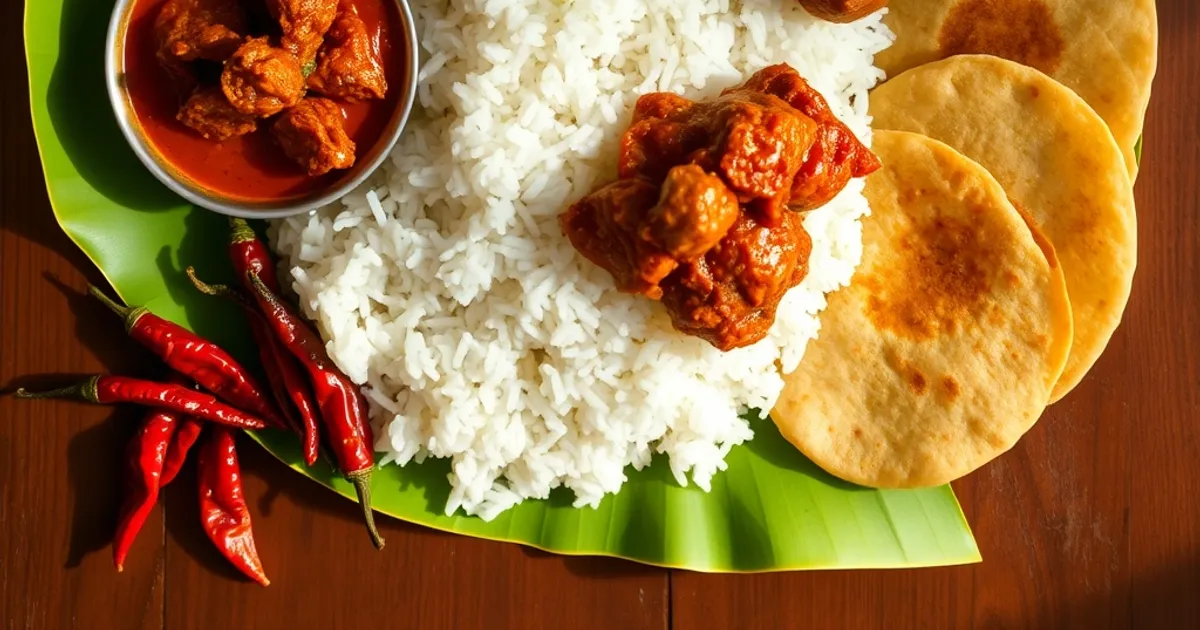
- Pesarattu, gongura mutton, and Guntur karam are non-negotiable orders
- Budget eats and proper restaurants both deliver here — plan extra meals 🍽️
Guntur does not apologize for its heat. This city in Andhra Pradesh sits at the epicenter of one of the world's most celebrated chilli belts, and that fact shapes everything — the culture, the economy, the conversations, and most of all, the food. Arriving without an appetite for spice is like visiting a mountain town without hiking boots: technically possible, but you will miss the point entirely.
What follows is a ground-level guide to eating, exploring, and understanding Guntur — written for anyone who wants to experience the city the way locals actually live it.
The Chilli That Defines a City
The Guntur Sannam chilli is not a side note. It is exported across the globe, drives a significant agricultural economy, and influences the flavor profile of every kitchen in this part of Andhra Pradesh. Farmers in the surrounding districts have grown and traded this variety for generations, and you will find it sold fresh, dried, and powdered at every market in and around the city.
Guntur karam — a coarsely ground spice mix anchored by dried red chillies — is the pantry staple every household swears by. It goes on pesarattu (thin green moong dal crepes served with ginger chutney), it flavors the oil for tadka, and it ends up mixed with rice and ghee as a simple, satisfying meal in itself. If you eat at someone's home here, you will encounter karam in some form before the meal is over.
The spice culture is genuine and community-wide. Restaurant menus do not offer a mild version of most dishes — that is not dismissiveness, it is authenticity. First-time visitors often reach for water or yogurt; long-time locals will tell you with a smile that the heat fades after the first few bites.
Where to Eat: Restaurants Worth Your Time
Hotel Jaya Grand anchors the higher end of the city's dining scene. The kitchen handles both vegetarian and non-vegetarian menus with equal confidence, and the thali format — rotating seasonal curries, rice, papad, and a sweet — gives you the broadest possible introduction to what local cooking looks like at its most composed. The dining room is a frequent choice for family gatherings, which tells you something about the consistency.
A few minutes across the city, Madhuvan Restaurant has built a reputation on comfort food done reliably well. Regulars come for the pesarattu-upma combination at breakfast — the lightly spiced upma served alongside a crisp green crepe is one of the city's classic morning combinations. The lunch crowd arrives for curries that do not cut corners on the karam.
For biriyani specifically, AK biriyani point is a name that comes up in almost every local conversation about where to eat. The rice is long-grained and fragrant, the meat portions are generous, and the accompanying mirchi salan — a chilli-based gravy — is not for the faint of heart. The setup is casual, more counter service than sit-down, but the food earns every minute of the line that sometimes forms outside.
amogham takes a slightly different approach, focusing on slow-cooked preparations that reward patience. Gongura mutton — tender meat braised with the sour, leafy gongura plant — is a signature of this kitchen and of Andhra cooking more broadly. The gongura's tartness cuts through the fat beautifully, and the dish is best eaten with steamed rice rather than roti.
Hotel Naga sai fills a different role: it is the kind of place where construction workers, college students, and retired professionals all eat at the same hour without anyone feeling out of place. The pricing is accessible, the portions are filling, and the rice meals hit the right notes without overcomplication. Dependability matters in a food city, and Naga sai has earned that reputation.
Finally, Panjabi Dhaba offers a counterpoint to the Andhra-dominant menu landscape. North Indian staples — dal makhani, paneer dishes, rotis — served with unpretentious dhaba energy that makes this style of restaurant feel like a necessary part of any city's food map. Popular with visitors who need a break from the heat, and with locals who want something different without leaving town.
Insider Tip: Order your biriyani at AK biriyani point before 1 PM on weekdays — the freshest batch sells out fast, and the afternoon round, while still good, does not have the same depth of flavor as the first cook.
Beyond the Plate: The Food Culture of Guntur
The market life here is as much a cultural experience as a commercial one. The city's chilli market — one of the largest trading hubs of its kind in Asia — is active in the early morning hours, when traders move sacks of dried red chillies under open skies. Even if you do not buy anything, walking through gives you a physical sense of scale that no photograph quite captures.
Pesarattu is the breakfast standard, but idly and dosa also have devoted followings. Lunch is the main meal for most households: rice served with sambar, rasam, a dry vegetable curry, pappu (dal), and at least one green, finished with curd rice that genuinely cools the palate after an hour of spice. Street food fills the gaps — mirchi bajji (batter-fried green chillies) and punugulu (fried lentil fritters) appear everywhere by late afternoon.
Sweets serve as punctuation. Pootharekulu — paper-thin rice wafers filled with sugar and ghee — is a local specialty with almost no parallel elsewhere. Ariselu, deep-fried rice and jaggery discs, appear at festivals and on home sweet-trays alike.
FAQ
Is Guntur food too spicy for everyone? The baseline heat is genuinely high. Most restaurants do not have a less-spicy option on the menu. Dairy — curd, buttermilk, lassi — helps manage the heat and is widely available.
What is the best time to visit? Any time of year works, but October to February offers more comfortable temperatures. Festival seasons bring out special sweets and community cooking that is worth planning around.
Can vegetarians eat well here? Absolutely. The vegetarian thali tradition is strong, and breakfast and snack options like pesarattu, idly, and mirchi bajji are almost all plant-based.
Is street food safe to eat? As with any city, busy stalls with high turnover are a better bet than quiet corners with food sitting under covers. Morning and lunchtime are peak hours.
Do restaurants in Guntur serve alcohol? Most family-friendly restaurants listed here do not serve alcohol. Stand-alone bars and liquor-licensed establishments exist but are separate from the food destinations above.
Bottom Line
Guntur is one of those cities where food is not incidental to the visit — it is the reason to come. The chilli heritage, the gongura-laced meat dishes, the breakfast culture around pesarattu, and the sheer range from Hotel Jaya Grand's composed thali to AK biriyani point's no-frills counter service give you a city that rewards curiosity. Bring an open palate, carry curd if you need it, and plan your meals accordingly. The city will do the rest.