
Weekend Activities for Desi Kids in Indianapolis
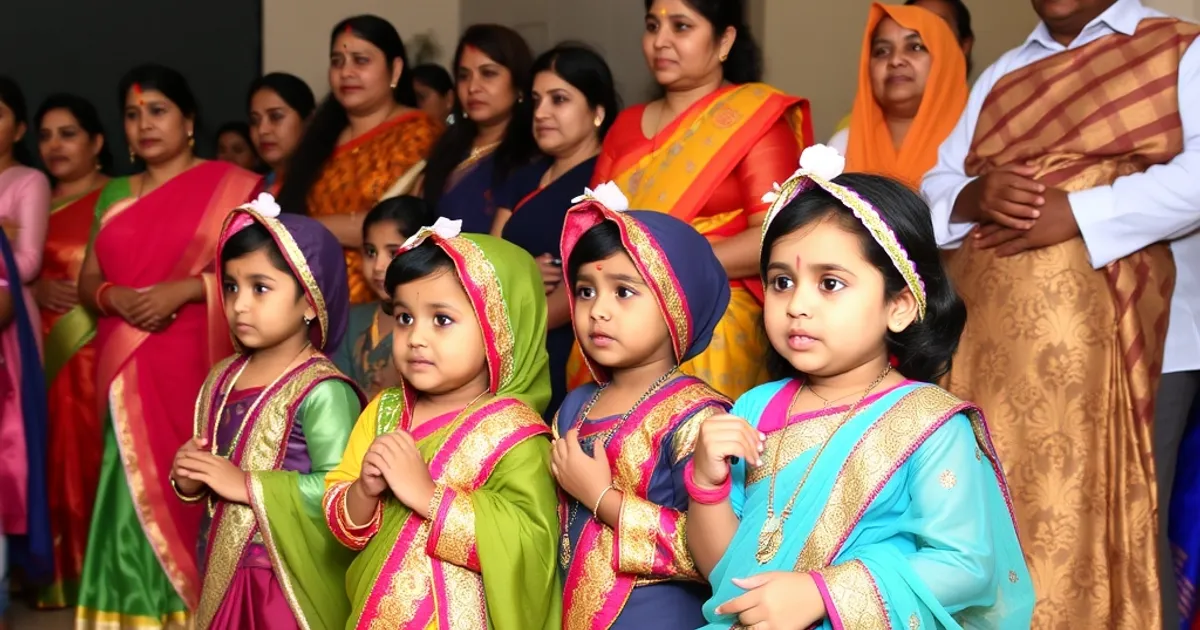
TL;DR 🎉
- Indianapolis has a welcoming and growing South Asian community with active cultural programming for families and children
- The Hindu panchang calendar provides regular opportunities for kids to connect with South Asian spiritual and cultural traditions
- Upcoming kid-friendly observances include Guru Purnima on Jul 29 and Sankashti Chaturthi on Aug 2
- Nag Panchami stories and traditions are a wonderful entry point for children curious about Hindu mythology
- Desi.Net's Indianapolis events calendar helps families plan cultural and spiritual activities throughout the year
Growing Up Desi in Indianapolis
Indianapolis is not always the first city that comes to mind when people think of South Asian communities in the US — but the families who live here know that Indy has built a genuine and warm South Asian community life over the past two decades. The city's combination of affordable family housing, excellent school districts, and a strong professional base in healthcare, tech, and engineering has attracted South Asian families from across the country.
For South Asian parents in Indianapolis, one of the perennial questions is how to keep children connected to the culture — the language, the festivals, the spiritual traditions, the stories, the food — while they grow up in a predominantly non-South-Asian environment. The answer that most families find is a combination of community organizations, temple programs, cultural associations, and the rhythm of the annual festival calendar.
The panchang calendar coming up over the next few weeks offers several moments that work especially well as family and child-focused activities.
Kid-Friendly Observances Coming Up
Ekadashi — Jul 24. For children old enough to understand fasting traditions, Ekadashi is a gentle introduction to the concept of religious practice as discipline. Many families observe Ekadashi in a relaxed way with children — eating fruits and dairy instead of grains, watching devotional videos about Lord Vishnu, and attending temple programs if available. The storytelling dimension of Ekadashi — the many tales of why this day is sacred in the Vishnu Purana — makes it accessible and engaging for curious kids.
Pradosh Vrat — Jul 26 and Jul 27. The Pradosh observance in the evening twilight is a natural opportunity for family evening prayers. Children who grow up participating in Pradosh puja — the lighting of lamps, the singing of Shiva devotional hymns, the simplicity of the evening ritual — often carry these memories deeply. Lord Shiva's stories, especially for younger children, are full of drama and adventure: the cosmic dance (Tandava), the story of Ganga flowing through Shiva's matted locks, the defeat of Tripurasura.
Guru Purnima 2026 — Jul 29. Guru Purnima is perhaps the most explicitly child-relevant festival on the current calendar. This is the day to honor teachers, and for children this means their school teachers, their dance or music teachers, their language tutors — anyone who has shared knowledge with them. Many Indian cultural schools and heritage programs for children hold special Guru Purnima programs where students perform for and offer tribute to their teachers. If your children are enrolled in a heritage language program, a classical dance school, or a music class, check whether they are organizing a Guru Purnima celebration.
Purnima — Jul 29. The full moon coinciding with Guru Purnima makes the night of July 29 a particularly good occasion for moon-watching as a family activity. Stories associated with the full moon — from the churning of the ocean of milk (Samudra Manthan) to the tales of Chandra the moon deity — offer rich material for bedtime storytelling with young children.
Sankashti Chaturthi — Aug 2. Lord Ganesha is often the entry point for children into Hindu mythology, and Sankashti Chaturthi is his monthly festival. The elephant-headed deity — remover of obstacles, patron of learning and beginnings — is universally beloved among South Asian children. Telling the stories of Ganesha, making a small puja together in the evening after moonrise, and breaking a fast with something sweet are activities that children enjoy and remember.
Insider Tip: Classical Indian dance and music schools in Indianapolis often organize Guru Purnima performances where student recitals double as a tribute to their teachers. These events are usually open to the community and are wonderful opportunities for children to see peers performing and to participate in a tradition that links arts education to gratitude and respect. Check with local South Asian cultural organizations for upcoming Guru Purnima programs.
Building Cultural Connection for Desi Kids in Indy
Beyond the panchang calendar, South Asian families in Indianapolis have built a network of resources for raising children connected to their heritage. Heritage language schools teach Hindi, Gujarati, Tamil, Telugu, and other South Asian languages on weekends. Classical dance academies offer Bharatanatyam, Kathak, and Bollywood classes. Music teachers work with children on the harmonium, tabla, and classical vocals. These programs are where the calendar observances get grounded in practice — where Guru Purnima means something real because a child has a dance teacher to honor that day.
FAQ
What is an appropriate Guru Purnima activity for young children? Young children can participate in Guru Purnima by making a simple handmade card or drawing for a teacher, participating in an evening puja, or attending a temple program. The concept of honoring those who teach us is easy to explain and deeply meaningful even for young kids.
How can I help my child understand fasting days like Ekadashi? Start by explaining the story behind the observance rather than the dietary restriction. Children engage with the mythology first — the reasons why Vishnu is honored on this day — and the practice of eating differently makes more sense in that context. A gentle Ekadashi where the family eats fruits and dairy together is a low-pressure introduction.
Are there South Asian cultural schools for children in Indianapolis? Yes. Indianapolis has heritage language programs, classical dance schools, and cultural organizations that serve South Asian families with children. Check Desi.Net's Indianapolis directory for organizations listed in the schools and cultural categories.
What is the Sankashti Chaturthi moon viewing tradition? On Sankashti evenings, families observe a day-long fast and break it after seeing the moon rise. In many families, the whole household gathers in the evening to spot the rising moon and then offer prayers before eating. For children, the moon-watching element is naturally engaging.
Bottom Line
Indianapolis's South Asian families have built a real and growing cultural life, and the coming weeks offer several meaningful moments for kids to connect with South Asian traditions: Ekadashi on Jul 24 as a storytelling and gentle fasting day, Guru Purnima on Jul 29 as a day to honor teachers, and Sankashti Chaturthi on Aug 2 as Lord Ganesha's monthly festival. Desi.Net's Indianapolis events calendar keeps the community updated on these and other upcoming programs and observances.