
New Gurdwara, Parade Pride, and Immigration Fear in Indianapolis
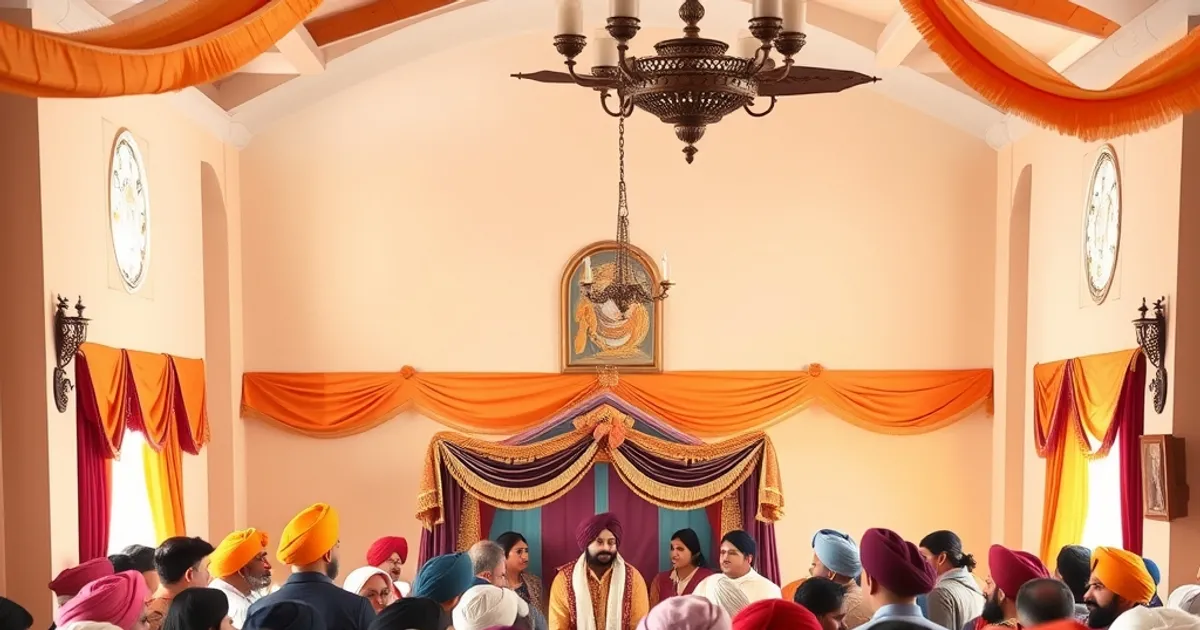
The Sikh and Punjabi community in Indianapolis is navigating a moment of both celebration and strain. A new gurdwara has opened its doors and the annual Sikh Day Parade has drawn residents of all faiths into the streets. At the same time, families report growing fear as ICE arrests increase, casting a shadow over a community in the middle of a milestone year.
New Gurdwara Opens as Sikh Day Parade Celebrates Community in Indianapolis
Indianapolis has reached a milestone in its Sikh community's development with the opening of the new Gurdwara Sikh Satsang of Indianapolis. The new house of worship provides the city's Sikh population with a dedicated space for prayer, community gatherings, and the practice of their faith — a significant step forward for a community that has grown steadily in the Midwest over recent decades. The gurdwara's opening comes alongside the city's annual Sikh Day Parade, a tradition that reflects the community's confidence and its desire to share Sikh heritage with Indianapolis residents of all backgrounds. The parade is explicitly open to all faiths, and organisers actively welcome the broader public to walk alongside Sikh participants. This ethos of inclusion has helped make the parade a regular fixture in the city's cultural calendar. Together, the gurdwara opening and the parade represent a maturing Sikh and Punjabi presence in Indianapolis. Where once the community may have gathered in smaller, borrowed spaces, the new gurdwara signals permanence and institutional strength. For Sikh families who have settled in Indiana over the years, the combination of a dedicated house of worship and a public parade affirms both their spiritual rootedness and their role as an active, visible part of the city's social fabric. [1]
ICE Arrests Cast Shadow Over Indianapolis Sikh and Punjabi Families
Sikh and Punjabi families in Indianapolis are reporting a marked increase in arrests by Immigration and Customs Enforcement, generating widespread fear within the South Asian community. Families describe heightened anxiety about daily activities such as going to work, attending the gurdwara, or sending children to school — situations that were previously taken for granted. The reports reflect a broader national pattern of stepped-up immigration enforcement that has had a particularly acute effect on communities with significant numbers of undocumented or visa-status-uncertain residents. For Indianapolis's Punjabi community, which includes both long-established families and more recent arrivals, the increase in ICE activity has unsettled even those with legal status, as neighbours and relatives face detention. Community advocates have urged affected families to know their legal rights and to seek guidance from immigration attorneys. Local organisations serving South Asian residents have reported a surge in requests for information about legal resources and emergency protocols. Attendance at public events and willingness to engage with local institutions has reportedly declined among some families. Leaders within the Sikh community have called for humane immigration policies that recognise the contributions of Indian and Punjabi families to Indiana's economy and civic life, and have pledged to continue supporting those affected by enforcement actions. [3]
IndyStar Spotlights Indianapolis Indian Curry Scene
IndyStar's dining column has turned its attention to Indian cuisine in Indianapolis, highlighting what it describes as a beloved Indian curry that is worth seeking out across the city. The recommendation reflects a broader trend: Indian restaurants in Indianapolis have quietly built a reputation for quality that is increasingly gaining mainstream recognition beyond the South Asian community. For Indian families in Indianapolis, the attention is welcome. Authentic curry — whether a slow-cooked dal, a tangy vindaloo, or a fragrant korma — has long anchored home cooking and community gatherings in the diaspora. When a mainstream outlet like IndyStar dedicates column space to Indian food, it signals that these flavours have crossed over from niche to celebrated. The city's South Asian restaurant scene has expanded steadily, driven by a growing Indian diaspora and the curiosity of non-Indian residents who have developed a taste for the cuisine. Restaurants on the city's north side and in suburbs with larger Indian populations have become destination dining spots. The IndyStar recommendation is likely to bring new patrons through doors that were previously unknown to much of Indianapolis. For restaurateurs catering to both Indian expats seeking comfort food and adventurous locals, such coverage translates directly into visibility and business. [6]