
Desi Things to Do in Jaipur (July 2026)
TL;DR 📅
- 🕉️ Jaipur's August 2026 community calendar opens with Ekadashi on August 9 and closes with a double celebration on August 28
- 🐍 Nag Panchami 2026 on August 17 is a gazetted Rajasthan holiday and one of the month's most actively observed festivals
- 🌕 Raksha Bandhan 2026 falls on Purnima this year, making August 28 an especially layered family occasion
- Pradosh Vrat on August 26 is particularly observed in Jaipur, where Shiva devotion runs deep across the old city's temple network
- Amavasya on August 12 draws families to ancestral rites — quietly but widely observed across the city
Jaipur's August 2026: Reading the Month's Calendar
Jaipur has two tempos. On ordinary days it runs on commerce, tourism, and the movement of a large city. But during Shravan month — which occupies most of August this year — the city shifts into a different rhythm. The lane temples, the bazaars around Bapu Market, the walled city's residential mohallas: they all reflect a community calendar that August 2026 fills with seven distinct observances across four weeks.
This is a guide to those seven dates, what they involve, and how the month unfolds for families and neighborhoods across the city.
The August 2026 Calendar in Full 🗓️
Ekadashi — August 9
Ekadashi falls on the eleventh day of each lunar fortnight. Fasting, temple visits, and reading of devotional texts are the standard forms of observance. In Jaipur's older residential areas, where neighborhood temples are woven into the architecture of the streets themselves, Ekadashi mornings carry a particular quality — the sound of bells before the sound of traffic. Many families across the city maintain Ekadashi fasts as a multi-generational tradition, and Shravan's Ekadashis tend to be more widely observed than those in other months.
Amavasya — August 12
The new moon day is observed through pitru tarpan — ancestral rites involving offerings of water and sesame made to deceased family members. Families gather near water bodies or at designated temple complexes across Jaipur for these rites. The mood is reflective rather than festive, and extended families frequently use this date as an occasion to gather at the home of the eldest member for the morning observances. The city's various sacred water sites and temple complexes see steady, quiet footfall throughout the day.
Nag Panchami 2026 — August 17
This is the month's broadest community celebration. Nag Panchami 2026 falls on the fifth day of the bright fortnight of Shravan and honors the serpent deity through milk offerings, prayers at Nag temples, and community pujas at home shrines. Rajasthan lists Nag Panchami as a gazetted state holiday, so schools and government offices are closed on August 17. Across Jaipur's localities, particularly in the older residential sections of the walled city, it is common for neighborhood groups to organize community pujas around clay serpent images set up specifically for the day. Temples dedicated to Nag Devata, or those housing serpent iconography, see significant footfall from early morning.
Ekadashi — August 23
Shravan Ekadashi carries more weight than a standard mid-month Ekadashi. Falling within the sacred month of Shravan, it draws in people who observe fasts selectively — those who might not maintain every Ekadashi through the year will make a point of this one. Temples in Jaipur offer extended darshan hours, and the combined significance of Shravan's overall auspiciousness with the Ekadashi fast creates one of the more widely observed days of the month.
Pradosh Vrat — August 26
Jaipur has a strong Shiva devotion tradition, and Pradosh Vrat is one of the more actively observed Shaivite dates on the calendar. The vrat is performed twice each month, on the 13th day of each lunar fortnight, and its prayer window is tied to the hours around sunset — roughly from dusk until about 90 minutes after — making this an evening-centered observance. Shiva temples across the city hold extended evening aartis on Pradosh dates, and the atmosphere in these temples during the vrat window is noticeably different from an ordinary evening. Devotees fast through the day and complete their observance after the sunset prayer.
Purnima — August 28
Shravan Purnima is considered among the most auspicious full moons of the year. This year, Purnima falls on August 28 — the same day as Raksha Bandhan 2026 — concentrating two significant occasions into a single date.
Raksha Bandhan 2026 — August 28
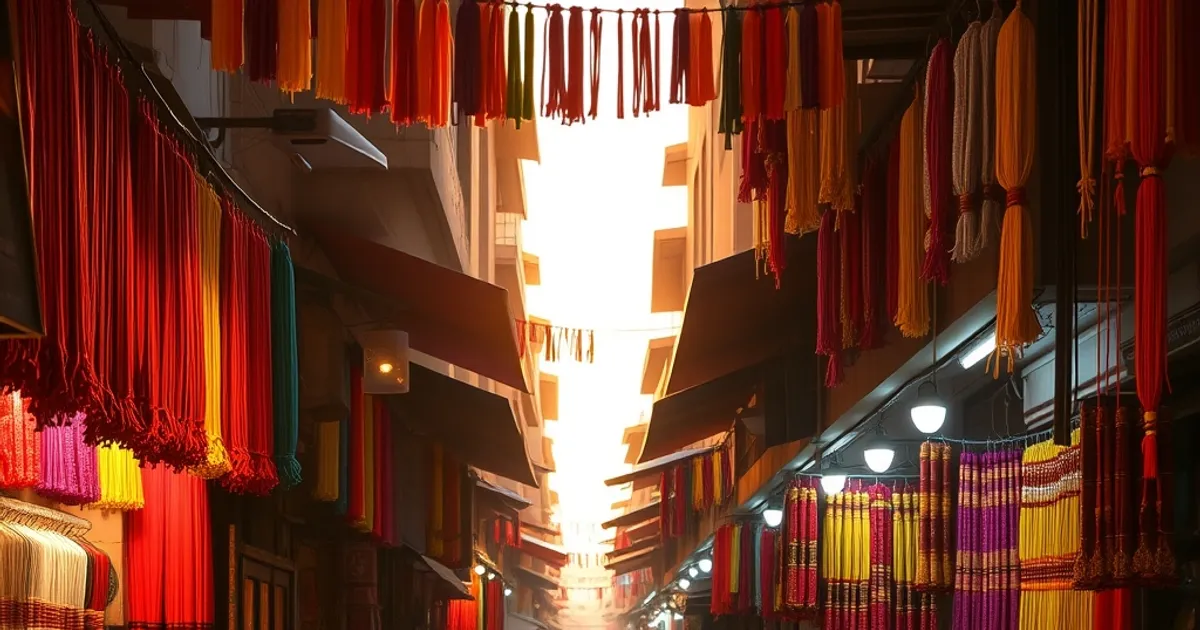
The most openly festive day of the month. Sisters tie rakhis on their brothers' wrists, families share sweets and gifts, and the spirit of sibling care that the festival represents fills household gatherings across the city. Jaipur's markets transform visibly in the days leading up to August 28 — the lanes around Bapu Market and Johari Bazaar fill with rakhi vendors across all price ranges, and sweet shops extend their working hours to meet demand. When Raksha Bandhan 2026 falls on Purnima, many families incorporate an additional layer of observation into the day, combining the full moon's auspiciousness with the family celebration. For those with siblings in other cities, August 28 is the date most worth planning travel around.
How These Dates Shape Jaipur's Month
The rhythm of Shravan month observances gives August a texture in Jaipur that quieter months lack. The alternation between internal observances — Amavasya and the two Ekadashi fasts — and outward celebration — Nag Panchami 2026, Pradosh Vrat's temple evenings, and the festivity of Raksha Bandhan 2026 — creates a month that keeps pulling people out of ordinary routine and into some form of collective life.
For families with members spread across Rajasthan or beyond, August 28 is the month's natural focal point. Many people plan travel specifically around the Purnima-Raksha Bandhan 2026 combination.
Market and Planning Notes
Jaipur's bazaars — particularly Bapu Market, Johari Bazaar, and the lanes of the walled city — see demand spikes in the days before Nag Panchami 2026 and Raksha Bandhan 2026. Rakhi shopping picks up meaningfully from around August 23 onward, and the best selection across all price points tends to be available in the August 23–25 window rather than in the final rush before the 28th.
Sweet shops — a significant part of Jaipur's food culture year-round — prepare seasonal specialties around Raksha Bandhan 2026. Many well-regarded shops offer curated gift boxes in advance. Ordering or collecting before August 27 typically means better selection and shorter waits.
For the fasting observances, many restaurants in Jaipur add vrat-friendly options to their menus on Ekadashi and Pradosh Vrat days. It is worth confirming with your regular spot in advance.
Insider Tip
For Pradosh Vrat on August 26, the atmosphere at Jaipur's prominent Shiva temples builds from around 5:30 PM onward. The main prayer window aligns with sunset, and the crowd peaks during the aarti. Arriving 30 to 40 minutes before sunset gives significantly better access than arriving after the aarti is already underway.
For Nag Panchami 2026, the older residential sections of the walled city tend to have the most active street-level community pujas organized by neighborhood groups — more so than the city's newer residential areas, where the celebrations are typically home-based rather than communal.
FAQ
Q: Is Nag Panchami 2026 a public holiday in Jaipur? Yes. Nag Panchami is a gazetted state holiday in Rajasthan. Schools and government offices are closed on August 17.
Q: When is the best time to buy rakhis in Jaipur's markets? The August 23–25 window offers the widest selection in most market areas. By August 27, the most popular designs at lower and mid-range price points often sell out, and market crowds make shopping more difficult.
Q: Do Jaipur's major temples have special programs throughout Shravan month? Many of the larger temples offer extended darshan hours and additional aartis across the full month of Shravan, not only on the specifically marked festival dates. Checking directly with the temples about their Shravan schedule is advisable if you want to plan temple visits around the month.
Q: What is pitru tarpan and how is Amavasya typically observed? Pitru tarpan is the offering of water and sesame seeds to deceased ancestors, performed with the intention of honoring and providing peace to departed family members. On Amavasya, families typically visit a river bank, temple tank, or designated sacred site for the rites, often accompanied by a priest. The practice varies in detail by family tradition and regional custom.
Bottom Line
August 2026 gives Jaipur's communities a month built around sustained collective participation. Seven observances across four weeks — from Ekadashi on August 9 through the Purnima and Raksha Bandhan 2026 double on August 28 — each pull the city's neighborhoods into some form of shared activity, whether reflective or festive. Mark the key dates, plan your market visits early, and give yourself time to be present for the celebrations that matter most to your family.