
Rajasthan on Two Fronts: Truckers' Strike Halts Freight as Women's Assembly Representation Falls Short
Jaipur and the wider state of Rajasthan are grappling with two distinct but equally pointed stories: a transporters' strike that has grounded more than 10,000 trucks and disrupted the movement of goods across the state, and a fresh assessment that, seventy-five years after independence, finds women still struggling for meaningful space within the Rajasthan Legislative Assembly. The truck strike has sent ripples through the state's supply chains, affecting everything from agricultural produce to industrial inputs reaching Jaipur's markets and factories. Together, the two stories illuminate some of the most persistent structural tensions in Rajasthan's public life — one rooted in the economics of road transport, the other in the still-unfinished work of building a truly representative democracy.
🗳️ Transporters' Strike Grounds Over 10,000 Trucks, Disrupting Rajasthan's Supply Chains
A strike by transporters across Rajasthan has grounded more than 10,000 trucks, bringing a large share of the state's freight movement to a halt and raising immediate concerns about the availability and cost of essential goods including food, fuel, and construction materials in Jaipur and cities across the state. Transporter associations called the strike to press demands that have reportedly remained unaddressed by the state government, including concerns about taxation, fuel costs, permit requirements, and other regulatory burdens that operators say make running a trucking business in Rajasthan increasingly difficult. Industries dependent on regular freight movement — factories, cold-chain operators, and agricultural mandis — were among those most immediately affected, with managers reporting disruption to raw material deliveries and outbound order fulfilment. Consumers in markets across Jaipur began to feel ripple effects in the form of tighter supplies of perishable goods, with traders at wholesale markets noting that reduced truck arrivals meant lower availability and upward price pressure on some commodities. The state government was under pressure to engage with striking transporters and find a resolution before the economic impact of the stoppage widened further, particularly given that Rajasthan's economy depends heavily on road freight for the movement of goods both within its borders and across state lines. Observers noted that a prolonged strike could erode the confidence of businesses relying on just-in-time delivery models and have cascading effects on retail, manufacturing, and agriculture that would take time and effort to reverse. [1]
🗳️ Seventy-Five Years On, Women Remain Underrepresented in the Rajasthan Assembly
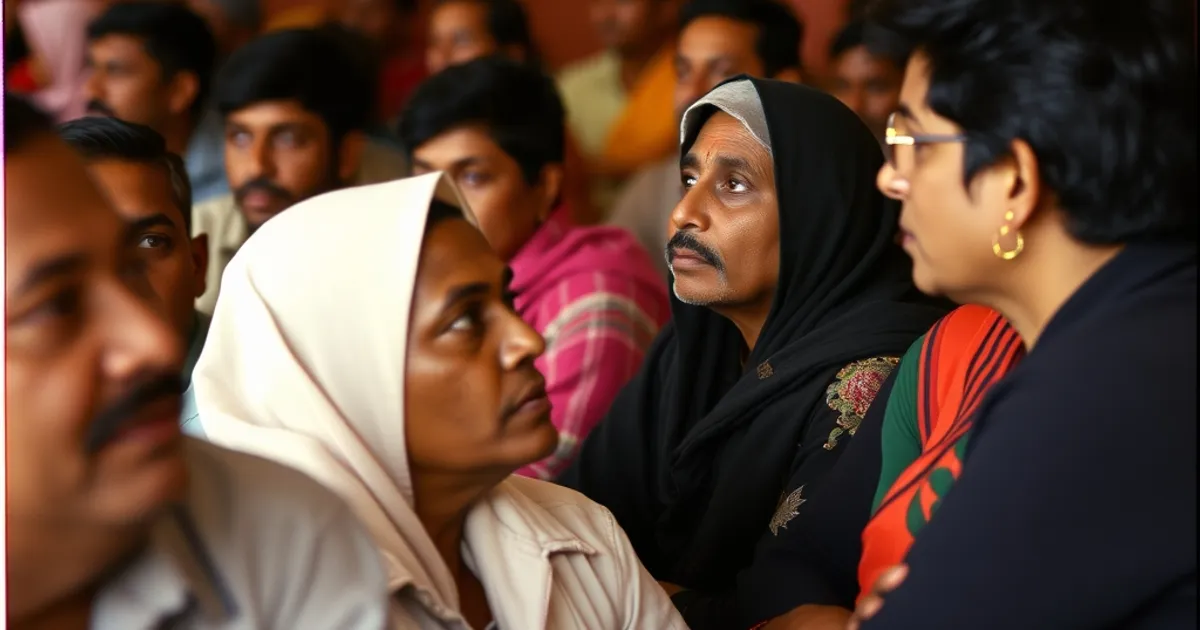
A new assessment marking seventy-five years since independence has highlighted that women continue to struggle for meaningful space in the Rajasthan Legislative Assembly, with the proportion of women members remaining stubbornly low despite decades of rhetoric about gender equity in Indian democracy and steadily growing female voter turnout that has in recent elections exceeded that of men. The analysis points to a significant gap between the engagement of women as voters — where participation has grown substantially — and their representation as legislators, where the numbers tell a far more modest story about how political parties translate the female electorate into female candidates and ultimately elected members. Rajasthan has historically been among India's more patriarchal states in terms of social indicators, and the assembly's gender composition reflects broader structural barriers including family resistance to women entering politics, limited financial and organisational support for female candidates, and party selection processes that tend to favour candidates with established political lineage and access to resources. The seventy-five year framing of the analysis is deliberate, asking a pointed question about the pace of change: if the country has had three-quarters of a century of democratic elections, why do women in Rajasthan still constitute so small a proportion of the legislature that they remain unable to shape outcomes on the issues that affect them most directly? Advocates for women's political representation have long pushed for reserved seats in state assemblies as one mechanism to break the cycle, though this proposal remains politically contentious and has not received uniform support across party lines. The report serves as a timely reminder that the work of building a genuinely representative democracy is far from complete and that milestones like a diamond jubilee of independence are as useful for taking stock of unfinished business as they are for celebrating progress. [2]
Sources: [1] The Economic Times · [2] The Times of India