
Royal Heritage Hotel Opens as Luxury Retailers and Civic Voices Energize Jaipur
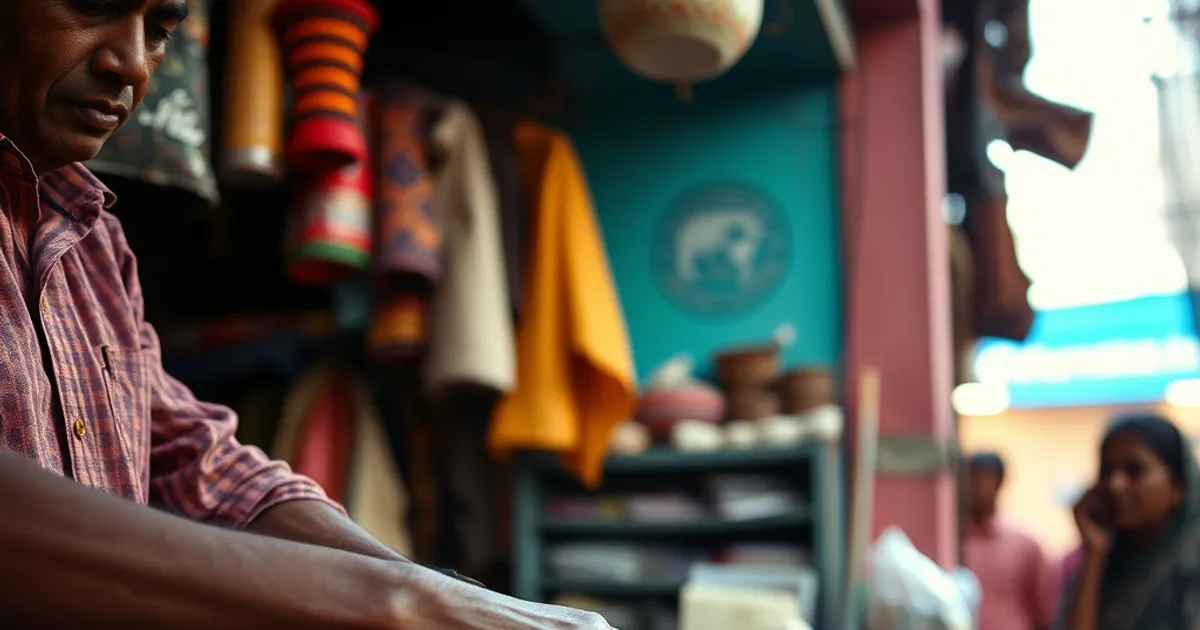
Jaipur is drawing fresh investment across the hospitality and retail sectors, with two major brand launches signaling the Pink City's growing appeal to premium lifestyle players from across India. Simultaneously, the city burnished its international reputation by hosting a Commonwealth peace mediation conference that produced a landmark declaration, while student activists made headlines with a high-altitude protest demanding the restoration of campus elections.
🏢 WelcomHeritage Kurki Palace Unveils Rajasthan's Royal Legacy in Jaipur
WelcomHeritage has added a jewel to Jaipur's hospitality crown with the launch of WelcomHeritage Kurki Palace, a new property designed to bring Rajasthan's storied royal legacy to life for modern travelers. The unveiling marks a significant expansion for the WelcomHeritage brand, which has built its identity around curating properties that marry historical authenticity with contemporary comfort. Jaipur, as the gateway to Rajasthan and one of India's most visited heritage tourism destinations, represents a natural home for such a property, drawing guests who arrive specifically to experience the grandeur of princely India. The Kurki Palace property is expected to attract a mix of leisure tourists, cultural enthusiasts, and domestic wedding and event clients, all of whom seek immersive experiences rooted in Rajasthani architecture and tradition. The launch reflects a broader resurgence of interest in heritage hospitality across India, as travelers increasingly seek properties with historical character rather than generic luxury hotel experiences. WelcomHeritage's portfolio spans palaces, forts, havelis, and nature retreats, and the Jaipur addition strengthens its footprint in Rajasthan, which remains the most in-demand heritage tourism market in the country. For Jaipur's hospitality ecosystem, the addition of another distinguished heritage property reinforces the city's status as a world-class destination capable of satisfying the most discerning international and domestic guests. [1]
🏢 Stanley Lifestyles Enters Rajasthan with 6,500 Sq Ft Jaipur Showroom
Stanley Lifestyles Limited has made its formal entry into the Rajasthan market with the launch of a 'Sofas & More by Stanley' showroom in Jaipur, occupying 6,500 square feet on Ajmer Road and established in partnership with local business NDA Corp LTD. The store showcases the brand's luxury home design portfolio, with a focus on customizable sofas, recliners, and dining tables engineered for the premium residential and commercial customer segment. The Jaipur launch follows a significant April 2026 expansion in Bengaluru, where Stanley opened three new outlets totaling 28,000 square feet, underscoring an aggressive post-IPO retail rollout strategy aimed at building a national footprint for the brand. Stanley Lifestyles reported full-year FY26 consolidated revenues of Rs 419.30 crore, broadly stable year-on-year, though net profits declined sharply to Rs 12.10 crore from Rs 29.10 crore in the prior year, reflecting the operational costs and depreciation burden of the ongoing expansion program. Entering North India through Jaipur is a strategic choice: the city's robust high-net-worth population, active real estate market, and strong appetite for premium lifestyle products make it a logical beachhead for the brand's ambitions in the region. The partnership model with NDA Corp LTD minimizes direct capital deployment while leveraging local knowledge of the Rajasthan market. If initial reception is strong, further Rajasthan locations in cities like Udaipur or Jodhpur could follow. [2]
🗳️ Jaipur Declaration Adopted at Commonwealth Peace Mediation Conference
Jaipur has added a new chapter to its international profile with the formal adoption of the 'Jaipur Declaration' at a Commonwealth Peace Mediation Conference held in the city. The declaration represents a consensus statement among participating Commonwealth member nations to strengthen frameworks and mechanisms for peaceful dispute resolution and third-party mediation, lending Jaipur's name to a multilateral governance document of genuine significance. The conference brought together representatives from Commonwealth countries to deliberate on best practices in conflict prevention, dialogue facilitation, and sustainable peacebuilding, reflecting India's active engagement with the Commonwealth's evolving agenda on governance and security. Alongside the international conference proceedings, the Rajasthan State Legal Services Authority used the occasion to launch 'Nyayayan,' a new digital judicial initiative designed to widen access to legal services across the state. The Nyayayan platform seeks to reduce the practical and geographical barriers that prevent citizens, particularly in rural and remote parts of Rajasthan, from engaging with the formal legal system. By digitizing certain judicial processes and making legal information more readily accessible, the initiative aligns with India's broader push toward technology-enabled governance. The dual developments — an international peace declaration and a domestic legal access platform — illustrate how Jaipur is increasingly serving as a venue for consequential governance dialogue at both global and state levels. [3]
🗳️ NSUI Workers Stage Hunger Strike Atop Water Tank Demanding Student Union Elections
In a striking piece of political theater that drew citywide attention, workers from the National Students' Union of India staged a hunger strike atop a water tank in Jaipur, demanding that the Rajasthan government restore student union elections at colleges and universities across the state. The choice of a water tank as a protest venue was deliberately symbolic — providing height, visibility, and a powerful visual that ensured media coverage and public awareness of the demonstrators' cause. Student union elections are widely regarded as a cornerstone of democratic campus life, providing students with a formal mechanism to elect representatives who can voice their interests to institutional authorities on academic, welfare, and infrastructure matters. NSUI activists argue that the prolonged suspension or deferral of such elections has left students without organized representation at a critical juncture in higher education policy-making. The protest in Jaipur resonates with a broader national debate about student political rights, with student organizations across multiple states pushing back against what they characterize as systematic efforts to depoliticize campuses. Authorities at the Chowk area were expected to engage with the protesters and explore the possibility of outlining a concrete timetable for reinstating electoral processes. The NSUI's dramatic protest tactic reflects the intensity of feeling among student communities who see elected unions as an essential democratic institution rather than a dispensable extracurricular activity. [6]
Sources: [1] ET Hospitality · [2] Sahi · [3] Live Law · [6] The Hindu