
Ganesh Chaturthi 2026 in Kalyan-Dombivli: Events, Puja & Where to Celebrate
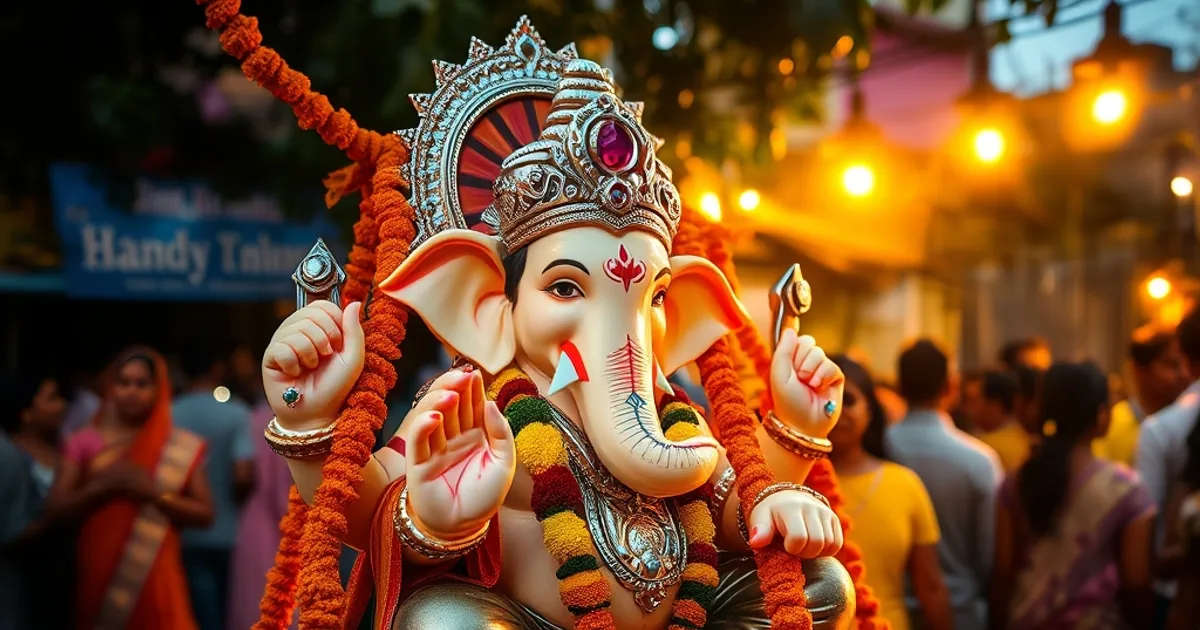
Ganesh Chaturthi 2026 in Kalyan-Dombivli: Events, Puja & Where to Celebrate
TL;DR
- 🗓 Ganesh Chaturthi 2026 falls on September 14 — plan your home puja, murti booking, and mandal visits well in advance
- 🏛 Kalyan-Dombivli has a strong tradition of neighbourhood mandal celebrations alongside well-known temples across both cities
- 🎉 The festive season builds through Raksha Bandhan 2026 (Aug 28) and Krishna Janmashtami 2026 (Sep 4) before reaching its peak on September 14
- 🙏 Temples including Gaon Devi Mandir and Hanuman Mandir hold special abhishek and aarti programmes during the festival season
- 📍 Book pandal visits and custom murtis early — the most popular mandals in Kalyan and Dombivli fill up fast on Day 1 and Anant Chaturdashi
The Season Builds Early
Ganesh Chaturthi 2026 arrives on September 14, but the festive calendar in Kalyan-Dombivli takes shape well before that. The season opens in late July, when Pradosh Vrat on July 27 draws Shiva devotees to their neighbourhood temples for pradosh-hour prayers and jalabhishek. The following day sees the confluence of Purnima and Guru Purnima 2026 on July 29 — a day when residents honour their teachers, spiritual mentors, and elders through satsangs, guru-vandana ceremonies, and visits to local ashrams. The full moon rising over the Ulhas River draws quiet groups of families to the waterfront on this evening.
Moving into August, the pace of observance picks up noticeably. Sankashti Chaturthi on August 2 is a favourite among Ganesh devotees across the twin cities. Households observe a day-long fast and break it only after moonrise, with sweets like modak and motichoor ladoo distributed as prasad. This monthly vrat serves as a spiritual countdown marker for the larger Chaturthi festival.
Ekadashi on August 9 is observed by many families through nirjala or fruit-only fasting, with Vishnu temples running extended morning kirtans and evening aarti. Amavasya on August 12 carries a different quality — a quiet, inward day set aside for ancestral remembrance. Many families make the short trip to the Ulhas River for tarpan rituals, offering water and sesame seeds in remembrance of those who have passed.
Nag Panchami 2026 on August 17 brings colour and ritual back to the streets. Snake shrines tucked into older residential pockets receive fresh marigold garlands, milk offerings, and incense. Grandmothers pass down the specific rituals to younger family members, and the day has a warmly intimate character compared to the larger festival events.
Raksha Bandhan 2026 arrives on August 28, filling sweet shops and bringing siblings together for the rakhi ceremony. By this point the Ganesh season is palpably near — murti markets are opening, mandal committees are completing their pandal designs, and the city's energy is shifting toward the main event.
Krishna Janmashtami 2026 on September 4 acts as the final major festival before Chaturthi. Midnight celebrations at local temples, devotional singing that runs through the night, and the popular Dahi Handi events across Kalyan and Dombivli all create a high-spirited bridge into the Ganesh fortnight.
Where to Offer Prayers in Kalyan-Dombivli
The twin-city area has a well-established network of temples that devotees visit throughout the festive season, each with its own tradition and atmosphere.
Gaon Devi Mandir at Rahul Estate is one of the important local shrines in the area, with the goddess venerated here receiving particular attention during the weeks around Ganesh Chaturthi. Devotees commonly seek the goddess's blessings before beginning their home puja preparations for the festival.
Datta Mandir in Barave Village is a community-rooted shrine that has served its neighbourhood for generations. The atmosphere here is unhurried and deeply familiar — residents from the surrounding areas gather especially on Ekadashi and Purnima for extended bhajan sessions that carry on well into the evening.
Shiv Mandir on Shiv Mandir Road draws steady attendance throughout the Shravan month, with abhishek ceremonies running through the monsoon weeks that lead up to Chaturthi. Offering bel patra and water at this temple on Pradosh Vrat evenings is a practice maintained faithfully by many nearby households.
Hanuman Mandir on Rahul Estate Road occupies a well-visited spot in the area, with Mangalvaar bhajans drawing a faithful regular crowd week after week. Many residents stop here first before making their mandal rounds during the Chaturthi celebrations.
Beyond these temples, the real spectacle of Ganesh Chaturthi in Kalyan-Dombivli plays out through hundreds of neighbourhood mandals. Custom Ganesh murtis commissioned months in advance arrive in pandals ranging from modest community spaces to elaborate themed structures. The eco-conscious shadu clay murti tradition has gained renewed traction in recent years, particularly among older families and mandals that have made a deliberate shift away from plaster of Paris.
How to Plan Your Chaturthi in Kalyan-Dombivli
If you are organising a home puja, the murti markets along the main roads of Dombivli West and Kalyan West typically open from early September, with artisans bringing murtis in sizes ranging from a few inches to several feet. Advance bookings for custom murtis are strongly advisable — artisans close their order lists quickly once the season approaches.
For the community experience, the first two days and the final day — Anant Chaturdashi — see the largest crowds at the major mandals. The middle days offer a more accessible, less crowded atmosphere at smaller neighbourhood pandals, with the same devotion and considerably more room to stand and absorb the scene.
The immersion procession on Anant Chaturdashi is the city's most emotionally charged public moment. Processions wind through Kalyan and Dombivli with bands, dhol-tasha groups, and the traditional lezim dance form. The scale of participation reflects how central this festival remains to the identity of both cities.
Insider Tip: The Dombivli station area and arterial roads toward the creek get extremely congested during the immersion procession. Instead, position yourself along one of the inner colony mandal routes — you will see equally grand processions with dhol-tasha groups and lezim performances, and far better visibility without the crush of the main thoroughfares.
FAQ
When is Ganesh Chaturthi 2026? It falls on September 14, 2026.
What is Sankashti Chaturthi and how is it observed? Sankashti Chaturthi is a monthly vrat dedicated to Ganesh, observed on the fourth day of the dark fortnight. Devotees fast through the day, offer prayers at a Ganesh temple or home shrine, and break their fast after moonrise.
Are eco-friendly murtis available in Kalyan-Dombivli? Yes, several mandals and individual households have moved toward shadu clay and plant-based murtis that dissolve without polluting water bodies. Artisans offering these options are increasingly visible in the seasonal markets.
Which temples are active during the Ganesh Chaturthi season? Gaon Devi Mandir, Datta Mandir, Shiv Mandir, and Hanuman Mandir all hold special programmes through the festival period, alongside the numerous mandal venues across the twin cities.
How long does the Ganesh Chaturthi celebration last? Home pujas typically last 1.5 or 5 days. Major mandal celebrations run the full ten days, concluding with the immersion procession on Anant Chaturdashi.
Bottom Line 🎉
Ganesh Chaturthi in Kalyan-Dombivli is not a single-day affair — it is a season that begins with Guru Purnima 2026 in late July and builds through Nag Panchami 2026, Raksha Bandhan 2026, and Krishna Janmashtami 2026 before reaching its culmination on September 14. Planning ahead, booking your murti early, and taking in both temple visits and mandal celebrations across Kalyan and Dombivli gives you the fullest possible experience of how this twin city marks its most-loved festival of the year.