
Desi Things to Do in Kanpur (July 2026)
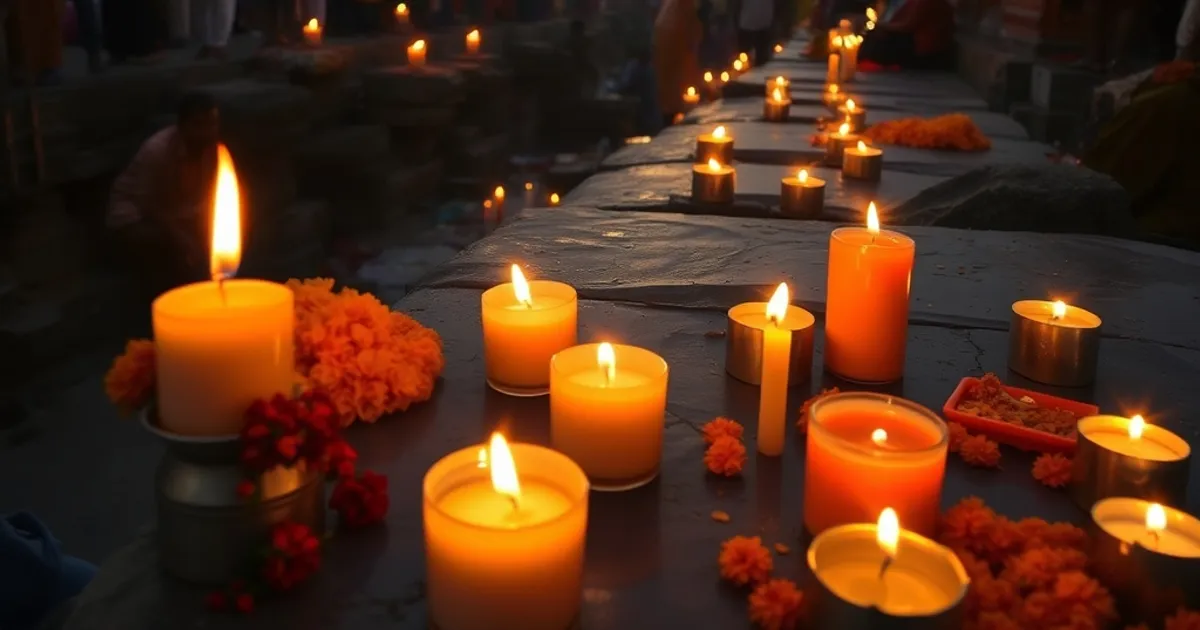
Desi Things to Do in Kanpur (July 2026)
TL;DR
- 🌕 Late July brings three significant calendar observances in quick succession: Ekadashi on the 25th, Pradosh Vrat on the 27th, and Guru Purnima 2026 on the 29th
- 🙏 Guru Purnima is one of the most beloved days in Hindu, Jain, and Buddhist tradition — a day of gratitude toward teachers spiritual, academic, and familial
- 🌊 The Ganga ghats draw large numbers of worshippers during Purnima, with the monsoon season adding its own atmospheric weight to the occasion
- 📿 Pradosh Vrat is a bimonthly Shaivite observance tied to the twilight hour — Kanpur's Shiva-devoted households keep it actively
- 🗓️ Sankashti Chaturthi follows on August 2, carrying the calendar's momentum into the first days of the next month
The Sacred Calendar in a Monsoon City
July in Kanpur arrives with the characteristic weight of the North Indian monsoon — humid air, sudden rain showers, and the scent of wet earth on the city's older streets. It is also one of the spiritually richest months in the Hindu calendar, carrying several significant observances in close succession.
This month moves through Ashadh, the lunar month that culminates in the full moon of Guru Purnima. For those living in Kanpur and the surrounding region, these days are not events so much as a rhythm — one that has shaped the city's weeks for generations. This guide focuses on the observances themselves: what they mean, how they are typically practiced, and what makes each of them distinct within the broader spiritual life of the season.
Ekadashi: July 25
The eleventh day of each lunar fortnight is Ekadashi — and it returns twice each month, once during the waxing phase and once during the waning. The Ekadashi falling on July 25 belongs to the Ashadh lunar month and carries particular significance within the Vaishnava calendar.
For many households, Ekadashi is a fasting day. The fast typically prohibits grains and pulses; acceptable foods include fruits, milk, nuts, and water. The abstention is understood as a form of purification — an opportunity to reduce the body's ordinary load and redirect that energy toward prayer and reflection. The moon is not yet full on this day, which falls on the waxing side of the fortnight, four days before Purnima.
The observance extends beyond the table. Reading or listening to the Vishnu Sahasranama or the Bhagavad Gita is considered particularly auspicious on Ekadashi. Temples throughout the city tend to see higher footfall in the evening hours, with aarti drawing larger congregations than a typical weekday.
Ekadashi fasting is common across a wide range of communities — Vaishnavite households, those with more eclectic practice, and many families for whom it has simply become a tradition passed down without strict sectarian attachment. The day has a broadly observed quality that cuts across denominational lines.
Pradosh Vrat: July 27
Two days after Ekadashi, Pradosh Vrat falls on July 27. This observance is dedicated to Lord Shiva and is performed on the thirteenth tithi (Trayodashi) of each lunar fortnight during the pradosh kaal — the twilight window that runs approximately ninety minutes before to ninety minutes after sunset.
Pradosh Vrat is a bimonthly observance with deep roots in Shaivite tradition. The fast is typically maintained through the day and broken only after sunset prayers. At the Shivalinga, worshippers offer bilva leaves, milk, water, and flowers. The Shiva Panchakshara mantra — Om Namah Shivaya — is repeated throughout the evening.
Kanpur has a sizeable population devoted to Shiva, and this observance is kept actively in many households. The twilight window carries a particular quality of transitional energy in Hindu sacred thought — neither day nor night — which is understood to make this specific hour especially potent for Shaivite devotion.
The July Pradosh falls just before the beginning of Sawan (Shravan), which is the most sacred month in the Shaivite calendar. The Ashadh Pradosh does not carry the month-specific intensity of Sawan Pradosh, but for those who observe the bimonthly cycle throughout the year, it is an important preparatory note before Sawan begins.
Guru Purnima 2026: July 29
The full moon of Ashadh is Guru Purnima — one of the most beloved days across Hindu, Jain, and Buddhist traditions. In 2026, Guru Purnima falls on July 29.
The word guru carries an etymology that points directly to its meaning: gu for darkness, ru for the one who dispels it. The teacher, in this framing, is not merely someone who conveys information but someone who moves you from confusion to clarity, from ignorance toward understanding. Guru Purnima is a day of expressing that gratitude openly.
In Kanpur, Guru Purnima is observed in multiple registers simultaneously. Students visit their teachers. Devotees visit their spiritual guru or travel to an ashram. Musicians gather for performances in which they dedicate their art to the lineage of their teachers. Academic institutions sometimes hold small recognition ceremonies for faculty who have made a difference to students.
The day also holds deep significance for the figure of Vyasa — the sage credited with composing or compiling a substantial portion of the Hindu scriptural canon, including the Mahabharata and the major Puranas. Guru Purnima is also called Vyasa Purnima in his honor. Readings from the Mahabharata or the Bhagavata Purana are common on this day, and stories of the guru-shishya relationship that runs through those texts feel particularly alive.
The full moon transforms the Ganga. Kanpur's ghats draw pilgrims for the moonrise, with families gathering at the river as the sky clears between monsoon clouds. The combination of the Purnima tithi, the Ashadh month, and the monsoon-greened landscape gives this particular full moon a quality that the drier winter Purnimas do not carry in quite the same way.
Purnima: July 29
Purnima simply means full moon day. The Purnima of July 29 coincides exactly with Guru Purnima 2026 — this alignment is standard, since Guru Purnima is always the Purnima of the Ashadh month.
But Purnima itself carries independent observance for many households regardless of which specific full moon it is. Fasting from sunrise to moonrise, bathing in the Ganga or another sacred water source, and nighttime prayer are common practices across communities that observe each Purnima throughout the year.
On this particular Purnima — with the full moon overhead, the Ganga high with monsoon water, and the Guru Purnima context adding an additional layer of observance — the ghat experience in Kanpur takes on a special quality. Families that might not ordinarily observe every Purnima through the year often make an exception for this one.
Sankashti Chaturthi: August 2
The calendar carries its momentum into the first days of August. Sankashti Chaturthi falls on August 2 — the fourth day of the lunar fortnight, on the dark waning side of the moon following Purnima, and it is an observance dedicated to Lord Ganesha.
Sankashti means deliverance from difficulties. The vrat is understood as an appeal to Ganesha to clear obstacles from one's path, and it is observed monthly. For those who follow the Sankashti cycle through the year, each month's Chaturthi has its own name and associated katha (story), and the specific Sankashti Chaturthi of this lunar period has its own character within that annual sequence.
The typical practice involves a day-long fast broken in the evening after moonrise. The Sankashti vrat katha associated with the particular Chaturthi being observed is traditionally read or heard after the evening Ganesha prayers. Offerings of modak, durva grass, and sindoor are common at the household Ganesha image or at the neighborhood temple.
Insider Tip — The transition from Ashadh into Sawan — which begins approximately a week after Guru Purnima — is one of the most spiritually active stretches in Kanpur's annual calendar. If you are in Kanpur through the end of July, Guru Purnima on July 29 is the anchor observation of the month, worth marking intentionally: a visit to the ghats at moonrise, an evening at a temple, a message to a teacher who shaped your life, or simply sitting with one of the classical texts as the monsoon rain moves through the city.
FAQ
Q: Is Guru Purnima a public holiday in Uttar Pradesh?
Guru Purnima is not a gazetted public holiday in Uttar Pradesh. Businesses and government offices remain open. Individual families and educational institutions may observe it privately, and some ashrams and spiritual centers hold public programs.
Q: Can Ekadashi be observed partially, such as avoiding only grains?
Interpretations of Ekadashi fasting vary significantly by tradition and by family practice. Some follow a strict nirajala fast with no food or water; others avoid grains and pulses while eating fruit and dairy; others make a more modest adjustment to their normal diet. The intention behind the observance is considered as important as its specific form.
Q: What makes the Ashadh Purnima different from other full moon days during the year?
The Ashadh Purnima carries the identification with Vyasa and the guru tradition that other Purnimas do not. The monsoon season also gives it a specific sensory character — the river is high, the air is charged, and the landscape is a deep monsoon green. For many families, it feels like the beginning of the sacred second half of the year.
Q: How does Pradosh Vrat differ from a regular evening Shiva puja?
Pradosh Vrat is specifically tied to the twilight window on the Trayodashi tithi. Regular Shiva puja can be performed at any time of day throughout the year, but the pradosh kaal on the thirteenth lunar day is considered especially potent for Shiva worship in the Shaivite tradition. The accompanying fast and the specific prayers of the vrat distinguish it from ordinary daily devotion.
Bottom Line
July 2026 brings a compressed and meaningful sequence of observances to Kanpur. Ekadashi on the 25th, Pradosh Vrat on the 27th, and Guru Purnima 2026 on the 29th arrive within five days of each other — a stretch when the spiritual calendar becomes unusually active and the city's ghats, temples, and households all reflect it. Sankashti Chaturthi follows close behind on August 2, and then Sawan begins. Together these days offer a full range of ways to engage with the season: fasting, evening prayer at the Shivalinga, moonrise at the Ganga, expressing gratitude to one's teachers, and listening to the old stories that have given these dates their meaning across so many generations.