
Kathmandu News Roundup
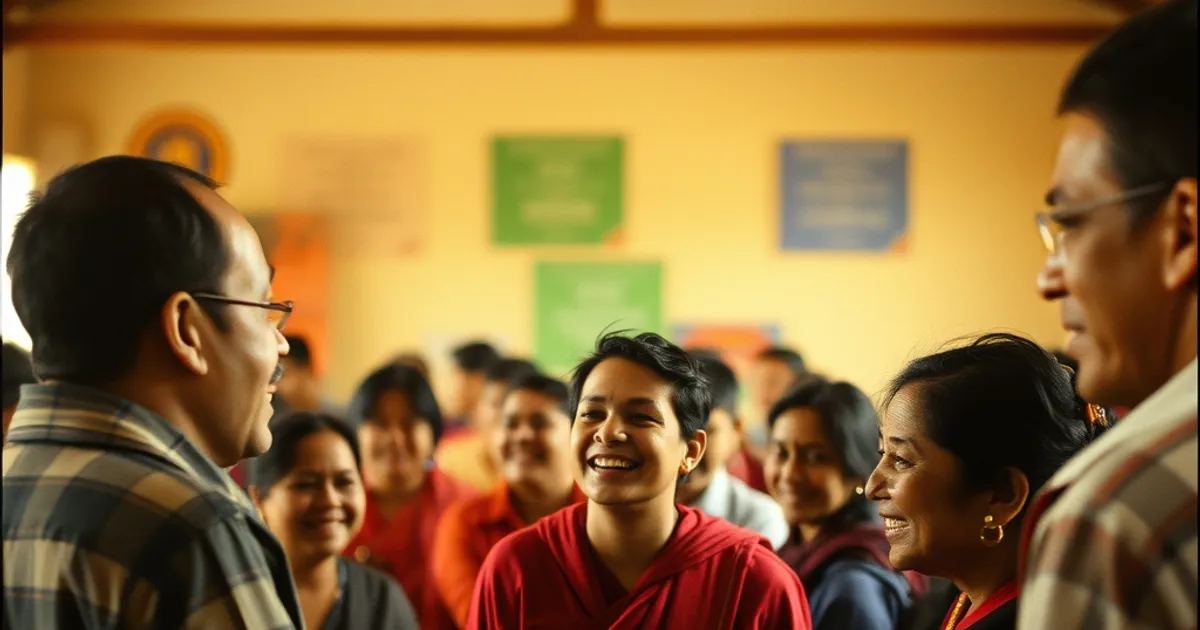
Cooperative Fraud Victims Demand Accountability in Kathmandu Protests
Hundreds of depositors who lost their savings in a series of cooperative sector failures took to the streets of Kathmandu this week, staging demonstrations that drew attention to what protesters describe as systematic mismanagement, fraud, and regulatory negligence in Nepal's cooperative financial sector. Organized by victim groups representing thousands of ordinary savers — many of them working-class families who entrusted life savings to these institutions — the protests called for immediate government intervention, the recovery of frozen funds, and criminal accountability for those responsible for the collapse. Photographs shared on social media platforms showed determined crowds holding placards outside government offices, demanding action from both the Nepal Rastra Bank and the Ministry of Land Management, Cooperatives, and Poverty Alleviation. Advocacy organizations supporting the victims say the crisis has left tens of thousands of households in financial distress, with many unable to access funds they deposited years ago. The demonstrations have added pressure on the government to fast-track pending legislation to reform cooperative oversight, strengthen audit requirements, and establish a formal compensation mechanism for affected depositors who have been waiting for justice. [1]
Flash Flood Warnings Cover 22 Districts as Diplomatic Tensions Rise
Nepal's Department of Hydrology and Meteorology has issued urgent flash flood warnings covering 22 districts across the country, including the densely populated Kathmandu Valley, as the monsoon season intensifies and river water levels climb to concerning heights. Authorities urged residents in low-lying areas and along riverbanks to remain vigilant, move to higher ground if necessary, and avoid crossing swollen waterways. Emergency response teams have been placed on standby, and local governments in affected districts have been asked to pre-position relief materials. The warnings come as Nepal braces for some of the most intense rainfall episodes of the current monsoon cycle. Separately, diplomatic watchers in the capital are tracking developments from a Tibet-focused seminar where China's envoy to Nepal raised pointed concerns, fueling speculation about the boundaries of bilateral dialogue on sensitive political subjects. The episode has highlighted the delicate position Nepal occupies between its giant neighbors and the careful diplomatic balancing act that defines Kathmandu's foreign policy. Officials have so far responded with characteristic restraint, affirming Nepal's standing policy of not allowing its territory to be used against any neighboring country. [7]
🤝 Kathmandu Earns Caring City Status While Residents Fight for Library Access
Kathmandu has been formally recognized as a Caring City under a United Nations Women initiative that spotlights urban centers making measurable commitments to women's safety, social inclusion, and gender-responsive governance. The designation acknowledges work by local authorities and civil society organizations to address street harassment, expand access to safe public spaces, and integrate women's voices into city planning processes. UN Women representatives praised Kathmandu's progress while noting that sustained investment and implementation will be essential to translate the certification into tangible improvements in women's daily lives across the city. In a contrasting development, residents of one Kathmandu neighborhood have been locked out of their local public library for over 104 days, in what community members describe as an administrative failure that has denied children, students, and researchers access to an essential resource. Petitions and public appeals have been submitted to local government officials, but the library remains closed, its gates padlocked and its reading rooms dark. Community advocates argue the situation reflects broader concerns about the maintenance and prioritization of public amenities, and are pressing ward officials for an immediate reopening and clear communication about the reasons for the prolonged closure. [6]
🍛 Bangladeshi Mangoes Arrive in Kathmandu Markets, Strengthening Regional Trade
Consignments of Bangladeshi mangoes have made their way to Kathmandu's fruit markets for the first time this season, marking a notable development in bilateral trade between Bangladesh and Nepal. The arrival of prized varieties known for their sweetness and fragrance has generated excitement among vendors and consumers alike. Shoppers at markets across the city have been sampling the new arrivals, with early reviews praising their quality and distinctive flavor profile. Trade representatives say the mango shipment is part of a broader effort to expand agricultural commerce between the two countries, which share cultural ties and complementary seasonal production cycles. Officials from both sides have expressed enthusiasm for growing the trade relationship beyond mangoes to include other fresh produce, processed goods, and packaged foods. Nepal currently imports significant volumes of fruit from India, and the addition of Bangladeshi supply is expected to diversify options, foster competitive pricing, and deepen regional economic integration. The development aligns with South Asian regional cooperation frameworks that encourage cross-border agricultural trade, and has been welcomed as a symbolic and practical milestone by trade bodies in both Kathmandu and Dhaka. [8]
🎬 Rock Concerts and Poetry Nights Put Kathmandu Arts Scene on Display
Kathmandu's vibrant cultural scene took center stage this week with a series of live rock music performances and spoken word poetry events drawing enthusiastic crowds across venues in the capital. The events, organized by local arts collectives and cultural groups, offered platforms to established and emerging artists alike, reflecting the city's growing appetite for diverse, community-driven entertainment. Audiences packed intimate venues to hear original compositions from local rock bands whose music blends Nepali folk influences with contemporary rock and alternative sounds, drawing appreciative responses from young crowds who see live music as an important outlet for creative expression. Poetry nights held at cafes and cultural spaces brought together writers from across Nepal, with verses touching on themes of identity, memory, migration, and political consciousness — subjects that resonate deeply in a society navigating rapid social change. Event organizers say the strong turnout reflects growing demand for accessible cultural programming in Kathmandu, and there are plans to expand the calendar with more frequent events and greater support for youth artists. Cultural commentators note that such grassroots gatherings play a vital role in nurturing the city's creative ecosystem and building community bonds. [3]
Sources: [1] The Himalayan Times · [7] Khabarhub · [6] UN Women · [8] The Business Standard · [3] The Farsight Nepal