
Best Temples & Mandirs in Kochi (2026)
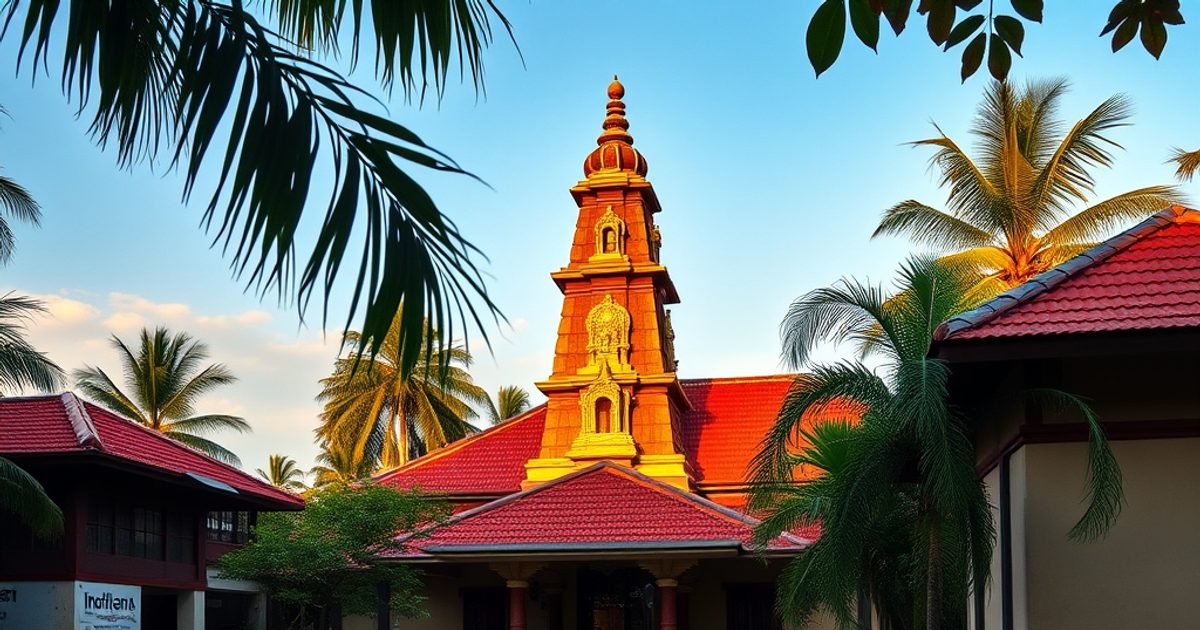
Best Temples & Mandirs in Kochi (2026)
For so many families in Kochi, a temple visit isn't a calendar event — it's the quiet rhythm that shapes the week. Whether you're seeking the roar of festival drums at a Bhagavathi shrine or the serene stillness of a Jain mandir, this city holds it all within reach. Here's your practical, community-first guide to the most significant temples and mandirs across Kochi.
TL;DR
- 🛕 Chottanikkara Bhagavathi Temple is one of the most celebrated shrines in the region — plan ahead for festival days.
- 🌿 Sree Poornathrayeesa Temple in Thrippunithura is a spiritual anchor for countless families on the eastern edge of Kochi.
- 🕉️ Dharmanath Desar Jain Mandir on Gujarathi Road is a beautifully maintained mandir serving Kochi's Jain community.
- 📍 Many temples listed here have limited verified contact details — visiting in person or checking official websites is always your safest bet.
- 🙏 Dress codes and darshan timings vary widely; a quick call or website check before you go saves a wasted trip.
The Heart of Kochi's Temple Culture
Kochi has always been a city of layered faith. The temples here aren't museum pieces — they are living institutions where generations of families have marked births, weddings, exams, and everyday gratitude. From the grand gopurams of ancient Shiva temples to the intimate sanctum of a neighbourhood Bhagavathi shrine, each one carries its own personality and its own set of traditions.
What makes Kochi distinctive is the density and variety. You can find a Dhanvantari temple tucked beside a busy road, a Rama temple in a quiet Makaliyam neighbourhood, and a Jain mandir that has anchored the Gujarati community for generations — all within a relatively compact city. This guide tries to do justice to that variety.
Chottanikkara Bhagavathi Temple
If you ask anyone in Kochi to name the temple, chances are they'll say Chottanikkara without hesitation. The Chottanikkara Bhagavathi Temple, located along the Muriyamangalam–Chottanikkara road, is one of the most revered Devi shrines in Kerala. The presiding deity, Rajarajeshwari, is worshipped in three distinct forms across the three sandhyas — morning, noon, and evening — each marked by a change in the deity's appearance and the nature of offerings made.
The temple draws enormous crowds during Shivaratri and Navratri, and the Karkidaka Vavu observances here carry deep meaning for families honouring their ancestors. The official website at chottanikarabhagavathy.org carries updated information on festival schedules and special poojas. You can also reach the temple office at +91 484 271 3300 for specific queries.
💡 Desi Insider Tip: If you visit Chottanikkara on a weekday morning rather than a weekend, you'll experience the temple at its most meditative — the sandhya deeparadhana as the mist is still clearing is something genuinely unforgettable.
Sree Poornathrayeesa Temple — Tripunithura's Crown Jewel
The Sree Poornathrayeesa Temple (also widely referred to as Sree Poornathrayesha Temple) in Tripunithura is one of the most historically significant Vishnu temples in the Kochi region. The presiding deity, Lord Poornathrayeesa, is an important Krishnaswamy form, and the temple's cultural life is inseparable from the identity of Tripunithura itself.
The annual Vrishchikolsavam, celebrated over eight days in the Malayalam month of Vrischikam, is a spectacular affair with caparisoned elephants, classical music, and thousands of devotees. If you're part of the community around Ernakulam or Tripunithura, this temple is likely already woven into your family calendar.
Hindu Temples Across the City's Neighbourhoods
Beyond the headline names, Kochi is home to a remarkable collection of neighbourhood temples, each serving their local community with quiet devotion.
Chittoor Sree Krishnaswamy Temple on Chittoor Road, South Chittoor, is a well-regarded Krishna shrine that draws regular devotees from across that locality. The Chittoor area has long had a strong tradition of Krishna bhakti, and this temple is central to it.
Ameda Temple in Udayamperoor, Thrippunithura, is a lesser-known gem worth seeking out if you're in that part of the city. Udayamperoor itself carries significant historical and religious importance for the region.
Pavakkulam Mahadeva Temple (also referred to as Paavakulam Mahadeva Temple) is one of the Shiva temples that long-time Kochi residents hold particularly dear. Shiva temples in Kerala follow the Kerala tantric tradition closely, and the daily rituals here reflect that heritage.
Chakkamkulangara Siva Temple (Chakkankulangara Temple) is another Shaivite shrine that serves its immediate neighbourhood and beyond. These kinds of temples — rooted in their locality — are the bedrock of daily religious life in Kochi.
Shanmughapuram Temple is dedicated to Lord Murugan, and for families with deep devotion to the Skanda tradition, this temple holds special significance. Skanda Sashti and Thaipusam are observed with particular enthusiasm at Murugan temples across the city.
Aroor Sree Karthyayani Devi Temple is an important Devi shrine associated with Karthyayani, a fierce and protective form of the Goddess. The Karthyayani Devi tradition is particularly strong in central Kerala, and this temple is a meaningful destination for devotees.
Dhakshina Udupi Dhanvantari Temple holds a unique place among the temples of Kochi. Dhanvantari, the divine physician, is worshipped here in the Udupi tradition — a reminder of how different regional worship styles have found a home in this cosmopolitan city. Those seeking blessings for health and healing make this a regular stop.
Paatupurackal Bhagavathi Temple (listed in various forms as Pattupurakkal Bhagavathi Temple and Sree Pattupuraykkal Bhagavathi Temple) is a Bhagavathi shrine with strong local roots. Bhagavathi worship in Kerala is deeply intertwined with village identity and community festivals, and this temple is a living example of that connection.
Makaliyam Sree Ramaswami Temple in Makaliyam is a Rama temple that provides a quieter, more contemplative worship experience. Rama temples in Kerala tend to follow classical Kerala agamic traditions, and the serene atmosphere here reflects that.
Dharmanath Desar Jain Mandir — Kochi's Jain Heritage
The Dharmanath Desar Jain Mandir on Gujarathi Road (address: 5/688 Gujarathi Road) is a beautifully maintained mandir that has served Kochi's Jain community for generations. Dedicated to Dharmanatha, the fifteenth Tirthankara, the mandir follows the Shvetambara tradition and is a place of great serenity.
The mandir's website, jaintemplecochin.org, carries information about the mandir's activities and the wider Jain community in the city. You can also contact the mandir directly at +91 484 222 4802. Visitors of all backgrounds are welcome to appreciate the architecture and the spirit of ahimsa that pervades the space — dress modestly and be mindful of the no-leather rule observed in Jain sacred spaces.
Sree Paramara Devi Temple — Ernakulam North
The Sree Paramara Devi Temple on Paramara Road, Ernakulam North (near Kacheripady) is an important Devi temple serving the northern part of Ernakulam. The presiding deity, Paramara Devi, is worshipped in a tradition that has deep roots in this part of Kochi. You can find more information at paramaradevi.org, and the temple can be reached at 0484 239 0789.
Planning Your Visit — Practical Notes
A few things worth keeping in mind before you head out:
Many temples in Kochi follow Kerala's traditional panchanga calendar for special poojas and festival dates — these shift each year and are best confirmed with the temple directly or through their official websites where available. Dress codes are taken seriously; for most Kerala Hindu temples, men are expected to remove shirts or wear a traditional mundu, and women should wear traditional attire.
For the Jain mandir, avoid bringing or wearing leather items into the premises. For all temples, turning off your phone or switching to silent before entering is simply good practice and a mark of respect.
Offering queues during major festivals at Chottanikkara and Sree Poornathrayeesa can be very long — arriving early or on non-festival days gives you a far more personal experience.
FAQ
Which temple in Kochi is best known for Navratri celebrations? Chottanikkara Bhagavathi Temple is among the most celebrated destinations for Navratri in the region, drawing devotees from across Kerala and beyond.
Is the Dharmanath Desar Jain Mandir open to non-Jain visitors? Yes, the mandir welcomes visitors respectfully. Follow the dress code, remove footwear, and avoid bringing in leather items as a mark of respect for Jain traditions.
How do I find out about festival timings at a specific temple? The best approach is to visit the temple's official website if one exists, or call the temple office directly. For Chottanikkara, the website and phone number listed here are your most reliable resources.
Are there temples in Kochi outside the Hindu and Jain traditions covered here? This guide focuses on Hindu temples and the Jain mandir as verified in our listings. Kochi also has synagogues, churches, and mosques of historic significance — each worth a separate guide.
What's the dress code for Kerala Hindu temples generally? Traditionally, men wear a mundu (dhoti) and remove their shirts, while women wear a saree or salwar kameez. Most temples in Kochi follow this convention, though practices can vary slightly — when in doubt, dress conservatively and ask at the entrance.
The Bottom Line
Kochi's temples and mandirs are far more than places of prayer — they are the living memory of the city's communities, the backdrop to its festivals, and for many families, the most constant thread running through generations. Whether you're a long-time resident rediscovering a neighbourhood shrine or a newcomer finding your spiritual footing in the city, there's a mandir here that will feel like home.
For more local guides, community events, and neighbourhood discoveries, keep exploring Desi.Net — your city, your community, your guide.