
Janmashtami 2026 in Kochi: Events, Puja & Where to Celebrate
TL;DR
- 🪔 Krishnashtami (Janmashtami) falls in August 2026 and Kochi's temples begin preparations weeks in advance
- 🙏 Chottanikkara Temple and Sree Poornathrayeesa Temple are among the grandest venues for the midnight celebration
- 🥛 Traditional fasting and offerings of aval (poha) and butter are central to home observance
- 🎭 Thiruvathira kali, attam performances, and uriyadi (dahi handi) contests give Kochi's festivities a distinctly Kerala flavor
- 📅 Track the panchang: Ekadashi (Jul 24, 2026) and Guru Purnima 2026 (Jul 29, 2026) set the devotional mood in the weeks leading up to the big night
The Kerala Name for Krishna's Birthday
Here in Kerala, most families call it Krishnashtami rather than Janmashtami — both names refer to the same celebration of Lord Krishna's birth on the eighth lunar day (ashtami) of the Shravana month, but the Malayalam usage keeps the focus on the deity himself rather than on the occasion. If you grew up in Kochi, the word Krishnashtami probably carries the memory of a house freshly swept, a threshold decorated with kolam, and the fragrance of fresh flowers mounded at the home shrine well before midnight.
That local texture matters when planning your 2026 celebrations. This is not the grand North Indian procession city — Kochi's observance is quieter in style but deep in devotion, blending temple grandeur with intimate family rituals that run well past midnight.
Temple Celebrations Across Kochi and Ernakulam
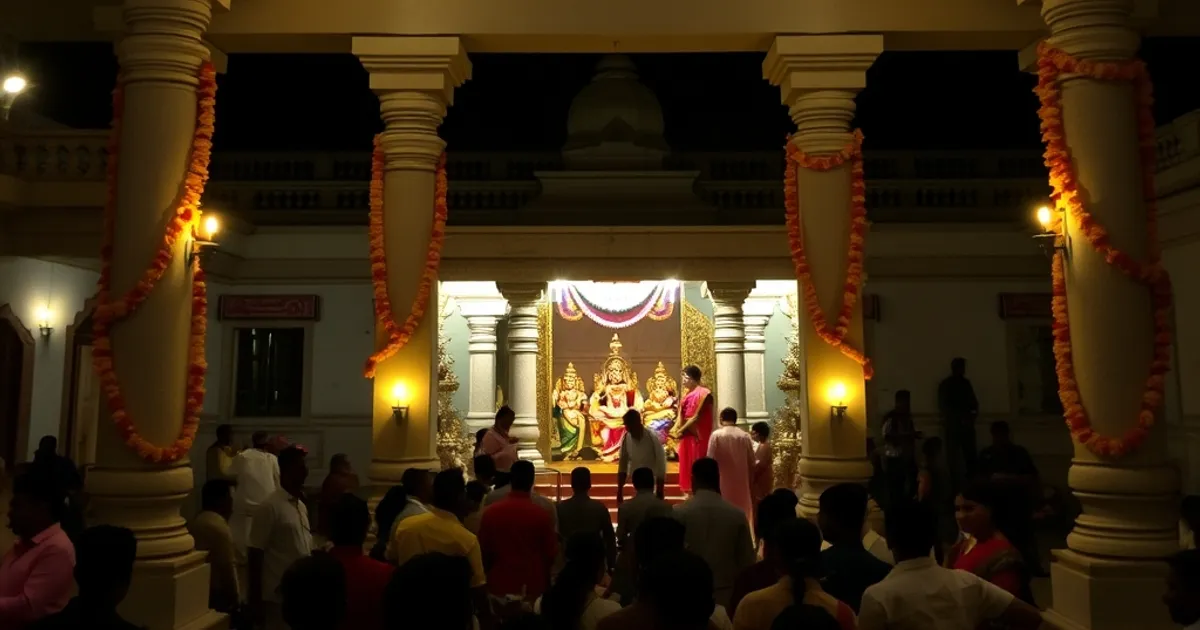
For most Kochi families, Krishnashtami begins at a neighbourhood temple and ends at home. The district has several focal points for the main night.
Chottanikkara Temple draws large gatherings during major festivals, and Krishnashtami is no exception. The temple's prominence in Ernakulam devotional life means that the surrounding cluster of shrines and the Devaswom board's organizational reach make festival programming here elaborate and well-attended. Expect cultural programs through the evening, followed by the ashtami midnight celebration that draws worshippers from across the district.
Sree Poornathrayeesa Temple at Tripunithura is the other anchor of the Kochi Krishnashtami calendar. One of the oldest and most revered Vishnu-Krishna temples in Kerala, it observes the festival with a thoroughness that reflects its long institutional history. The temple's Devaswom management typically organizes harikatha, devotional music, and decorative illumination that transforms the complex well before midnight. Families who make the trip to Tripunithura often plan their whole day around it, arriving in the early evening for darshan before the midnight rush builds.
Chittoor Sree Krishnaswamy Temple is exactly the kind of place Krishnashtami was made for. A dedicated Krishnaswamy temple brings its own energy to the night — the idol is decorated in elaborate ornamentation representing the infant Krishna, and the atmosphere through the evening, with devotees singing bhajans and children dressed as Gopala, is one of the most visually striking sights of the Kochi festival season.
If you want to cover multiple venues in a single evening, the district is well served. Temples such as Shanmukhapuram Temple and Aroor Karthyayani Devi Temple also hold observances during this period, making the Ernakulam district's celebrations among the most geographically distributed in Kerala. It is worth checking respective Devaswom or trust notices for 2026-specific programming, as midnight abishekam times can overlap between venues.
Home Puja, Fasting, and What Goes on the Plate
Kochi's Krishnashtami is as much a home festival as a temple one. Fasting through the day — called upavasam — is a choice many families maintain, with some observers taking only fruits and water, and others keeping a full nirjala (waterless) fast until midnight abishekam. Children are generally exempt but often join voluntarily as they grow older.
The breaking of the fast at or after midnight has its own ritual logic. Aval (beaten rice/poha) is the defining offering — because the young Krishna loved it, placing aval with jaggery and banana before the home shrine and then eating it yourself is both puja and prasad at once. Butter is equally central: a small clay pot or a silver bowl of fresh white butter before the idol, accompanied by small decorated clay pots, echoes the Makhan Chor mythology that every child in Kerala knows by heart. These details come not from any single prescribed tradition but from generations of Kochi households layering practice over practice.
In terms of food after the fast, many families prepare a light sadhya-adjacent spread — rice, olan, and payasam — while others keep it simple with aval payasam and banana. Whatever the meal, it lands at midnight or later, which means the whole household is awake, tired, and happy at the same time.
Insider Tip: Reach Sree Poornathrayeesa Temple by 9 PM on Krishnashtami night if you want comfortable darshan before the midnight crowd arrives. By 11 PM queues can stretch very long. Families with young children find the early-evening cultural programs — devotional music and harikatha — more manageable than the midnight abishekam rush.
How Kerala's Krishnashtami Feels Different
The contrast with North Indian Janmashtami is real. In Mathura and Vrindavan, the festival becomes a city-scale spectacle: massive public processions, dahi handi contests with large prize pools, and temple gatherings that run into tens of thousands. That energy has started influencing urban Kerala too — Kochi sees uriyadi (the local name for dahi handi) events organized by youth associations, political groups, and corporate teams that have grown in scale year on year, particularly in Ernakulam town.
But the heartbeat of Kerala's Krishnashtami is classical arts. Thiruvathira kali — the graceful circular women's dance performed in temples and community halls — gets staged through the festival evening. Attam (general dance performance) appears in school auditoriums and temple grounds. Krishnanattam, the eight-night dance drama that originated at Guruvayur, is performed in abbreviated form in some larger temples during this period. These elements are what make an Ernakulam Krishnashtami distinctly rooted in the state's performing arts tradition.
The panchang calendar around the festival also shapes the mood of the weeks before it. Ekadashi (Jul 24, 2026) and Guru Purnima 2026 (Jul 29, 2026) arrive in the run-up to Krishnashtami, creating a sustained period of elevated observance. Many families use the Ekadashi fast as a rehearsal for the longer Krishnashtami upavasam and visit temples during Guru Purnima to seek blessings from their spiritual teachers before the main festival.
FAQ
Q: Is Janmashtami a public holiday in Kochi? A: It is a restricted or optional holiday in Kerala government offices and most banks — not a full gazetted public holiday. Schools often give a holiday or half-day, but this varies by management type.
Q: Can visitors join the midnight celebrations at Chottanikkara Temple or Sree Poornathrayeesa Temple? A: Both temples are open to all Hindu devotees. There is no registration required, but checking current Devaswom board notices for 2026 is advisable, especially for any specific protocols around the midnight abishekam.
Q: What should children wear to temple on Krishnashtami? A: Dressing children as Lord Krishna — flute, peacock feather, dhoti — is a much-loved tradition. Most temples welcome this, and some organize costume competitions for the youngest participants.
Q: Are there community events beyond the main temples? A: Yes — youth associations, apartment resident welfare associations, and cultural clubs around Ernakulam typically organize uriyadi events and cultural programs separate from temple observances. Local notice boards and community WhatsApp groups are the most reliable source for these.
Bottom Line
Krishnashtami 2026 in Kochi rewards planning. The grandeur of Sree Poornathrayeesa Temple at Tripunithura, the devotional intensity of Chittoor Sree Krishnaswamy Temple, and the quiet midnight puja at home with aval and butter are all valid ways to mark this day — and for many families, it is all three. Keep the panchang close: the weeks from Ekadashi through Guru Purnima build the spiritual momentum that makes the midnight moment feel earned. Plan your temple route by 9 PM, pack patience for the queues, and wake the children up for midnight at least once. They will remember it for a long time.