
Janmashtami 2026 in Lower Hutt: Events, Puja & Where to Celebrate
TL;DR
- Janmashtami celebrates the birth of Lord Krishna and is one of the most spiritually charged nights on the Hindu calendar 🪈
- Lower Hutt's Indian diaspora gathers at local mandirs for midnight puja, bhajans, and cultural celebrations 🙏
- BAPS Shri Swaminarayan Mandir and Kurinji Kumaran Temple are key gathering places for the community 🛕
- The lead-up in late July includes observances like Guru Purnima 2026, Ekadashi, and Pradosh Vrat 🌕
- Dahi handi events and devotional music programs make this one of the most festive nights of the year 🎉
The Spirit of Janmashtami
Janmashtami marks the birth of Lord Krishna, the eighth avatar of Vishnu, at midnight. This timing is central to how the festival is observed: devotees fast through the day, gather at temples as the night deepens, and break their fast only after midnight when the deity is ceremonially bathed and adorned.
For the Indian community in Lower Hutt and across the Wellington region, Janmashtami has grown into one of the most anticipated events of the religious year. The mandirs in Lower Hutt serve as anchors for celebrations that draw families from across the district and beyond. The festival combines deep spiritual observance with a joyful, communal energy that reflects the playful nature of Krishna himself.
The fast is an important part of the Janmashtami experience. Many devotees keep a nirjala fast — no water — while others observe a phalahar fast, eating only fruit and dairy. The purpose is to enter the midnight moment in a state of spiritual readiness, so that the arrival of Krishna feels personal and present.
Celebrating at Lower Hutt's Mandirs
Two of the most established religious spaces for Lower Hutt's Indian diaspora are BAPS Shri Swaminarayan Mandir and Kurinji Kumaran Temple.
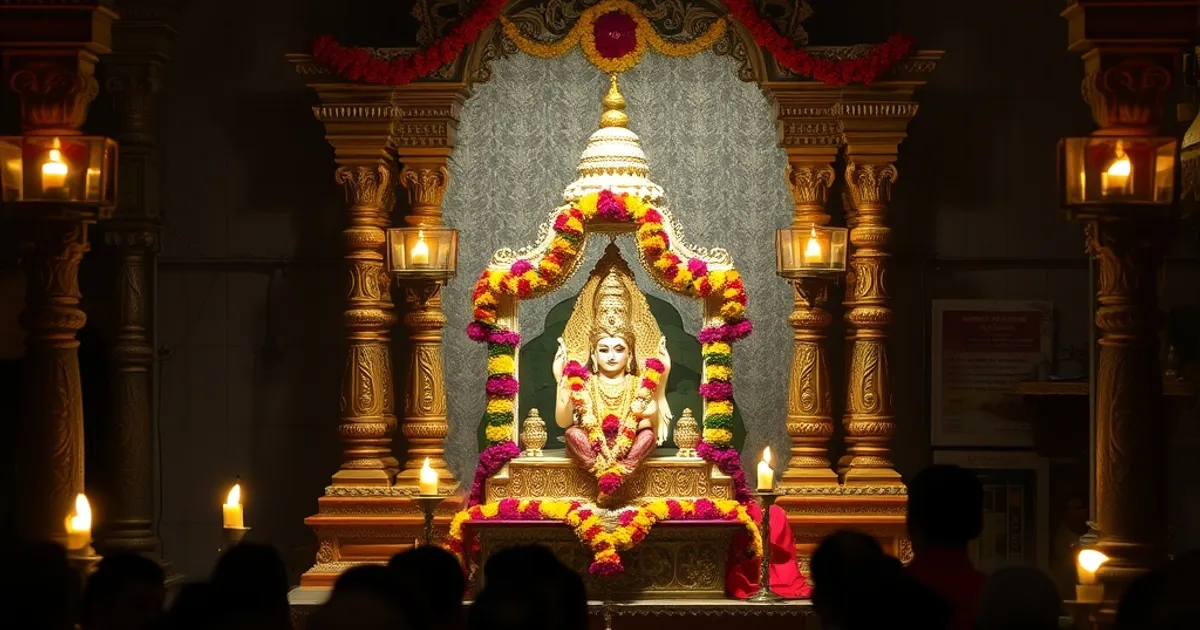
BAPS Shri Swaminarayan Mandir at 6/83 Eastern Hutt Road is part of the global BAPS network, known for its structured devotional programs, immaculate temple environment, and community events that span the religious calendar. During Janmashtami, BAPS mandirs typically observe the midnight puja with great care — the idol of Lord Krishna is adorned in special attire, the atmosphere fills with bhajans, and the moment of midnight is marked with the ceremonial swinging of the cradle. Attendance at BAPS programs draws multi-generational families and newcomers alike.
Kurinji Kumaran Temple at 3 Batchelor Street brings South Indian temple traditions to Lower Hutt's Indian community. The temple serves Tamil and South Indian devotees in the region and provides a space for those who wish to observe Janmashtami within that tradition. The prayers, flowers, and lamp lighting take on a classical temple character here, drawing on customs that have been maintained for generations.
Attending programs at either mandir gives the community a sense of continuity — not just with each other but with a living tradition that stretches across the Indian diaspora worldwide.
Dahi Handi: The Playful Heart of Janmashtami
Beyond the solemnity of midnight puja, Janmashtami carries a playful dimension that communities around the world have carried with them: Dahi Handi. This tradition re-enacts the legend of young Krishna stealing butter — a clay pot filled with curd, butter, or sweets is hung at height, and teams of young men form human pyramids to reach and break it.
In communities outside India, Dahi Handi events often take the form of friendly competitions at cultural programs or temple grounds. Even a simplified version — a decorated pot, a few enthusiastic participants, and a crowd cheering them on — captures the spirit of the mythology and gives younger members of the community a tactile, joyful connection to the stories of Krishna's childhood.
Many Indian families in Lower Hutt see Dahi Handi as the moment where the festival becomes most accessible to children. The laughter, the teamwork, and the rewards of breaking the handi give young people a memory that stays with them.
The Hindu Calendar in Late July: Key Observances
The weeks before Janmashtami are not without their own spiritual significance for the Indian community in Lower Hutt.
Ekadashi falls on July 25, 2026. This is a day of fasting dedicated to Lord Vishnu — fitting in its proximity to Janmashtami, which celebrates his avatar. Devotees observe the fast by abstaining from grains and focusing on prayer and scripture.
Pradosh Vrat on July 27, 2026 is a Shiva-focused observance that falls during the evening twilight. Devotees light lamps, offer bilva leaves, and recite prayers during the Pradosh time window. The ritual is kept twice a month by many households.
Guru Purnima 2026 and Purnima both land on July 29, 2026. Guru Purnima is the full moon dedicated to honoring one's spiritual and educational teachers. In the Hindu tradition, it is observed by offering gratitude to gurus and elders — a tradition deeply embedded in families across the Indian diaspora in New Zealand. Many families call India on this day to connect with elders and seek blessings across the distance.
Sankashti Chaturthi falls on August 2, 2026, not long after Janmashtami. This monthly Ganesh observance is kept by Ganesha devotees who fast until moonrise and offer prayers for the removal of obstacles, bringing the celebratory season to a close on a note of devotional calm.
Puja at Home: Keeping the Tradition Personal
Not everyone can make it to a mandir on Janmashtami night, and home puja is a deeply meaningful way to observe the occasion. Set up a small cradle or image of baby Krishna, decorate with flowers and a lamp, and stay up until midnight for the birthday moment.
Children enjoy placing tiny footprint stickers leading into the home — a tradition symbolizing Krishna's arrival. The footprints can be made with rice paste or chalk, drawing a trail from the front door to the puja area.
Devotional songs playing through the evening, a simple fast through the day, and a midnight offering of sweets, curd, and butter recreate the essence of the celebration in any home. The panchamrit — a mixture of milk, curd, honey, ghee, and sugar — is the central offering for the abhishek.
Insider Tip: If you plan to attend the midnight puja at a mandir, arriving an hour early lets you find parking, get oriented, and settle into the bhajans that build toward the midnight moment. Mandirs can fill up quickly as midnight approaches, and the entire atmosphere is best experienced without the rush of arriving at the last minute.
FAQ
Does Janmashtami require a full-day fast? Fasting practices vary by family tradition. Some devotees observe a strict fast from sunrise until after midnight. Others keep a partial fast, avoiding grains while eating fruits and dairy. Follow what your family practice dictates — the intention matters more than the method.
Are Janmashtami events at mandirs open to the public? BAPS Shri Swaminarayan Mandir and Kurinji Kumaran Temple generally welcome all devotees to participate in festival events. It is good practice to contact the mandir in advance to confirm program timings and any specific arrangements.
Can children attend the midnight puja? Many families bring children to the midnight puja — the bhajans, decorations, and excitement of the midnight moment are a memorable experience for young ones. Some families attend the evening program and leave before midnight to suit younger children's schedules.
What should I offer during Janmashtami puja? Traditional offerings include milk, butter, curd, flowers (especially tulsi), fruits, and sweets like panjiri or panchamrit. Offering what is available with sincerity is what matters.
Is Dahi Handi organized in Lower Hutt? Community associations sometimes organize informal Dahi Handi events alongside cultural programs. Check with local Indian community networks and cultural organizations for 2026 event announcements closer to the festival.
Bottom Line
Janmashtami in Lower Hutt is a night that draws the Indian diaspora together in shared devotion, nostalgia, and celebration. The bhajans at BAPS Shri Swaminarayan Mandir, the lamp lighting at Kurinji Kumaran Temple, the laughter of Dahi Handi, and the quiet of midnight puja at home — all of these are threads in the same celebration. As the observances of Guru Purnima 2026, Ekadashi, and Pradosh Vrat build through late July, let them deepen the intention you bring to Janmashtami 2026 in the Wellington region.