
Desi Things to Do in Ludhiana (July 2026)
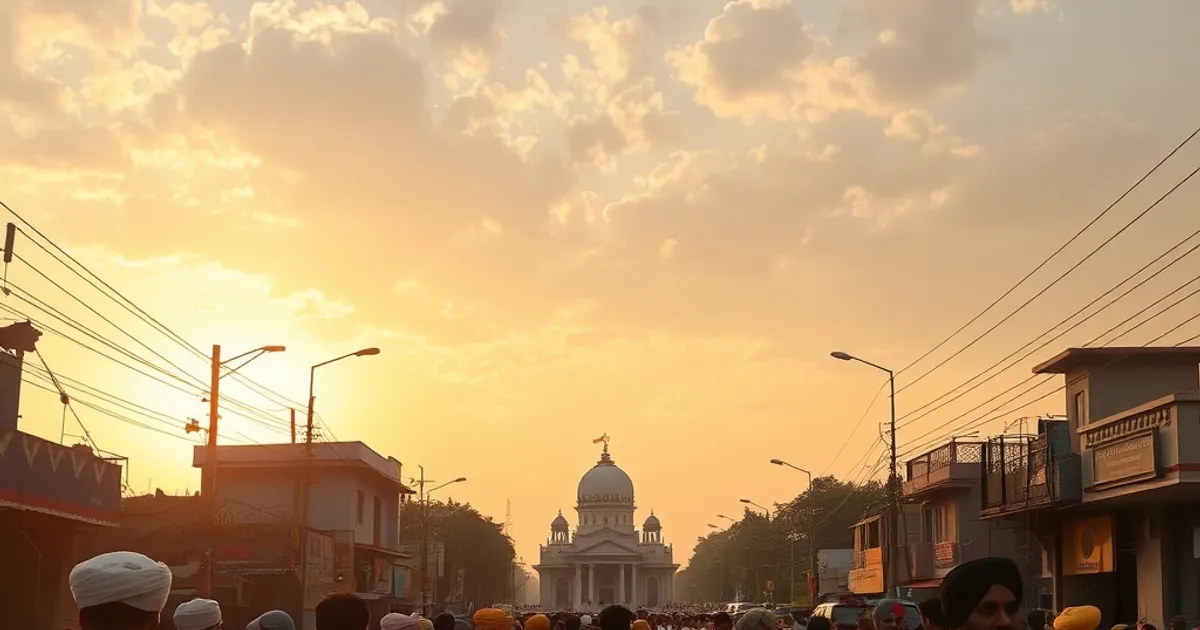
Desi Things to Do in Ludhiana (July 2026)
TL;DR
- 🗓️ Guru Purnima 2026 on July 29 is the spiritual anchor of the summer — gurdwaras and temples across Punjab honor teachers in a day of profound community observance
- 🌕 Purnima falls the same day, amplifying the sacred energy of the full moon across all religious traditions
- 🐍 Nag Panchami 2026 on August 17 brings one of Punjab's most visually striking folk observances into the monsoon season
- 🌿 Rakh Bagh and Rose Garden offer calm green retreats between the city's festival days and market energy
- 🏰 Phillaur Fort, a short drive from the city, rewards a half-day excursion for anyone who wants history alongside the festival calendar
Ludhiana in July and August: Punjab's Festival Pulse
Ludhiana is Punjab's largest city by population and one of India's most productive industrial and commercial centers. Hosiery, machine parts, and bicycles move through its export channels in enormous volumes, and the city's commercial corridors operate with a relentless energy. Yet beneath the factory floors and the busy market roads, Ludhiana maintains a vibrant spiritual and cultural rhythm that reaches its peak during the monsoon months of July and August.
This stretch of the calendar is not merely busy — it is layered. Auspicious days stack close together, each drawing its own rituals, community gatherings, and festival foods. For anyone in Ludhiana during July and August 2026, the festival calendar offers a framework for experiencing the city at its most animated, generous, and alive.
Ludhiana is also a city with genuine green spaces and historical sites that deserve attention alongside the religious calendar. The combination of festival energy and accessible landmarks makes this a rewarding season for both residents and visitors to explore the city deliberately.
Guru Purnima 2026: The Heart of the Season
No event in Ludhiana's July calendar carries more weight than Guru Purnima 2026, observed on July 29. This is the day set aside across Hindu and Sikh traditions to honor the guru — the teacher who transmits wisdom and guides the seeker from ignorance toward clarity. In Punjab, where the Sikh tradition runs as deep as the five rivers that give the state its name, Guru Purnima holds both religious and historical resonance that cannot be overstated.
At gurdwaras across Ludhiana, the day begins with Nitnem recitations before dawn and continues through langar — community meals that feed thousands without regard to background or means. At Hindu temples and ashrams, students gather to offer respect to their teachers, recite Sanskrit texts, and participate in group meditation sessions. The combination of Purnima — the full moon occurring on the same calendar day — amplifies the spiritual atmosphere considerably. Full moon nights in Ludhiana bring out worshippers who observe fasting and candlelit ceremonies well into the evening hours.
If you are in Ludhiana on July 29, 2026, expect gurdwaras across the city to run extended programming from early morning through late evening. Arriving for the morning prayers ensures access before crowds fill the courtyards and covered halls. The langar at major gurdwaras on Guru Purnima is particularly generous — these community kitchens take the day's significance seriously, and the meal itself is a form of spiritual participation.
Rakh Bagh, Rose Garden, and Urban Green Spaces
Between the festival commitments of July and August, Ludhiana's parks offer necessary breathing room. Rakh Bagh, one of the city's oldest and most established green spaces, spans a substantial area near the civil lines district. Used daily by walkers, families, and students, it provides a contrast to the dense commercial energy of the city's market zones. During festival months, evening gatherings sometimes extend into the park's open grounds after temple or gurdwara visits.
Rose Garden — known locally as Nehru Rose Garden — is another favored urban retreat. The garden's landscaped sections are best visited in the morning hours before midsummer heat intensifies through midday. The proximity of these parks to Ludhiana's denser commercial neighborhoods makes them practical and pleasant intervals between exploring the city's market corridors.
Insider Tip: The area around Clock Tower (Ghanta Ghar) in central Ludhiana is one of the oldest market corridors in the city. On Guru Purnima evenings, roadside flower vendors near the tower do brisk business selling marigold garlands and ritual items — a good place to witness everyday festival commerce close up and pick up offerings for a temple visit.
Sankashti Chaturthi and the August Rhythms
August picks up immediately where July leaves off. Sankashti Chaturthi on August 2 is a Ganesh-dedicated fast observed widely by women and devotees who pray for the removal of obstacles from their paths and households. Ludhiana has a number of Ganesh mandirs where special aartis and prasad distribution are conducted on this day, with devotees maintaining the fast through moonrise before breaking it with sweets.
Ekadashi on August 9 marks one of the two fasting days observed monthly in the Vaishnava tradition. Temples dedicated to Vishnu and Krishna see elevated attendance, and households observing the fast maintain strictly vegetarian kitchens through the day and into the following morning. The quieter, more internally focused nature of Ekadashi contrasts with the communal energy of Guru Purnima — both are valuable experiences of Punjab's religious life, but in quite different registers.
Amavasya on August 12 brings the new moon and with it the tradition of remembering ancestors through shraddha rituals, offerings to departed souls, and visits to sacred bodies of water. Ludhiana's proximity to the Sutlej River makes river-side observances accessible for those who mark the new moon with water offerings and prayer. The day has a contemplative, quieter character — the city slows somewhat, and the spiritual focus turns inward toward family lineage and gratitude.
Nag Panchami 2026: Folk Ritual at Its Most Vivid
Nag Panchami 2026 on August 17 is among the most visually distinctive festivals of the monsoon season anywhere in India. The worship of the serpent deity, rooted in both agricultural tradition and devotional religion, sees women drawing serpent images at doorways, offering milk at serpent idols and shrines, and visiting temples that hold special Nag Panchami ceremonies.
In Ludhiana, as across Punjab, the day has folk dimensions that run alongside formal temple observances. Neighborhood lanes sometimes host small open-air ceremonies, and sweet shops prepare traditional festival mithai specific to the occasion. The monsoon timing of Nag Panchami gives it an atmospheric backdrop — humidity, rain-washed streets, and the smell of wet earth are all part of the occasion, inseparable from its character.
Phillaur Fort: A Half-Day from the City
For those who want to step outside Ludhiana's urban pace, Phillaur Fort lies approximately 25 kilometers from the city center. The fort carries Sikh historical significance and offers a contrast to the festival intensity of the city proper. Its sturdy architecture and quieter grounds make for a straightforward half-day excursion that can be combined with visits to mandirs or gurdwaras along the Phillaur road. The drive itself passes through the flat agricultural expanses of Punjab that feel genuinely different from the city's commercial density.
FAQ
Is Ludhiana a good base for religious tourism in July? Yes. The convergence of Guru Purnima 2026 and Purnima on July 29 makes it one of the more spiritually significant weeks of the year in Punjab. Gurdwaras and temples are fully programmed, and the city's accessibility from Chandigarh and Delhi by rail makes it practical to visit.
Are there any customs to observe during Amavasya? Amavasya is considered inauspicious for new ventures but significant for ancestor rites. Most temples remain open; many households observe modified customs around diet and activity on this day.
What should I wear when visiting a gurdwara during Guru Purnima? Cover your head with a cloth or scarf before entering any gurdwara. Remove footwear at the entrance. Shoulders and knees should be covered. Gurdwaras welcome visitors of all backgrounds.
Is Phillaur Fort accessible by local transport from Ludhiana? Auto-rickshaws and shared vehicles ply the Ludhiana-Phillaur route regularly. Pre-booking a vehicle from Ludhiana ensures a more comfortable round trip, particularly in monsoon weather.
Bottom Line
Ludhiana in July and August 2026 is a city in full festival stride. Guru Purnima 2026 anchors the season with a day of deep spiritual observance that honors teachers across both Sikh and Hindu traditions, while Sankashti Chaturthi, Ekadashi, Amavasya, and Nag Panchami 2026 fill the weeks with ritual and community life. Layer in the parks of Rakh Bagh and Rose Garden, a side excursion to Phillaur Fort, and the everyday energy of Punjab's largest city, and what emerges is a travel window that rewards anyone willing to follow the festival calendar closely and engage with the city on its own terms.