
Visiting Madurai? A Local Food & Culture Guide
TL;DR
- 🍛 Madurai's food scene is legendary — from old-school mess halls to serious biriyani joints, the variety is staggering
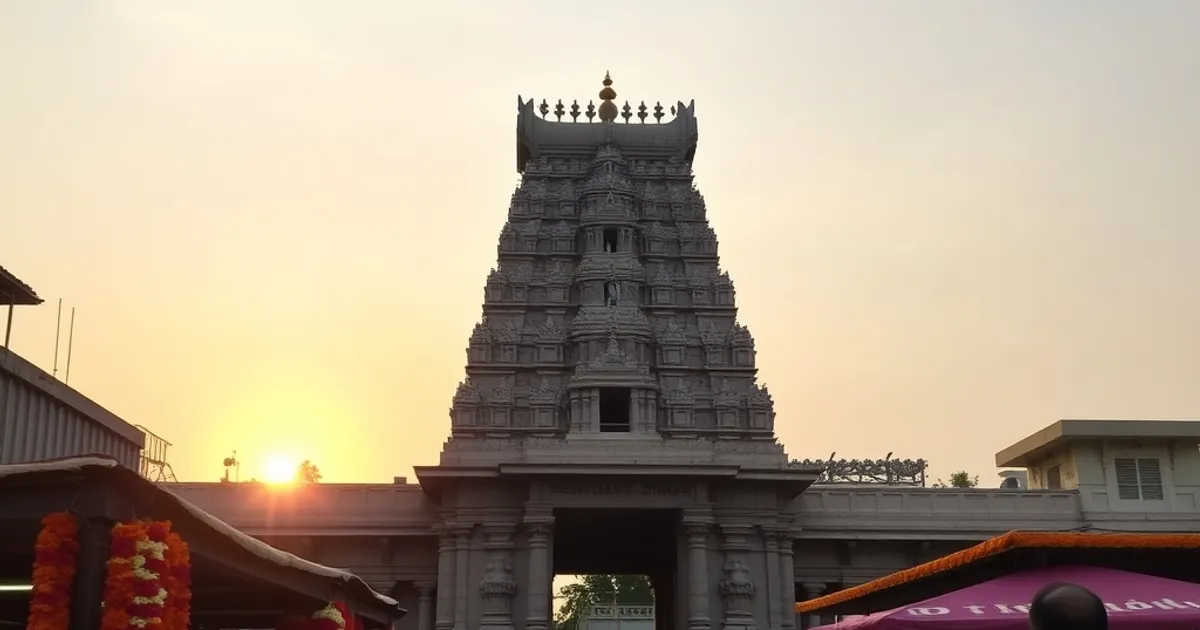
- 🏛️ The Meenakshi Amman Temple is the city's soul and takes at least 2-3 hours to explore properly
- 🐂 Jallikattu season (Pongal, January) transforms Madurai and the surrounding villages into a festival spectacle
- ☕ Filter coffee culture here is serious — expect it strong, frothy, and served in steel tumblers
- 🌙 The old city comes alive after dark, especially around the temple precinct
The City Before the Food
Madurai is Tamil Nadu's second-largest city, but in terms of cultural density it arguably outweighs Chennai. This is one of the oldest continuously inhabited cities in South Asia, with a documented history stretching back over 2,500 years. The Pandya kings built here. The British came and left. The city's core — tight lanes, flower markets, jasmine sellers, and the towering gopurams of the Meenakshi Amman Temple — absorbed everything and changed on its own terms.
First-time visitors consistently underestimate the temple. It's not a single shrine but a 45-acre complex with 14 gateway towers, multiple shrines, and pilgrims arriving around the clock. Arrive early morning or during the evening aarti — the chanting carries through the mandapams and the atmosphere is unlike anything else in the city. The Thirumalai Nayak Palace, about 2 km away, is another essential stop — built in 1636, it's a striking mix of Dravidian and Islamic architectural styles, and the evening light-and-sound show held in the palace courtyard is genuinely well-produced.
The flower market near the east tower operates through the night. Madurai supplies much of Tamil Nadu's jasmine — the city goes through extraordinary quantities of it, used for temple garlands, hair decorations, and daily offerings. Walking through the market around 4–5 AM, when the day's stock arrives, is worth a missed hour of sleep.
Where to Eat: The Real Madurai Circuit
Madurai's food reputation rests on specific things: Dindigul biryani, Chettinad cuisine, and a morning mess-hall culture that has sustained the city's working population for generations. The variety is serious and the prices are low enough that eating across multiple spots in a single day is entirely reasonable.
Amsavalli Bhavan Hotel (42, E Veli Street, near Muthoot Finance; phone 0452 262 0117) has been operating since 1952. It's one of those places where you don't need to read a menu because the cooking has settled into a daily rhythm that hasn't shifted in decades. The idli-sambar in the morning and the afternoon rice meals — sambar, rasam, three vegetable dishes, and curd — are the reasons people keep returning across generations.
Dindigul Thalappakatti Restaurant (196 Anna Nagar; phone 073050 18742) is the Madurai outpost of what started as a Dindigul institution. The Thalappakatti-style biriyani uses short-grain seeraga samba rice with a distinct spice profile — less aromatic than Lucknowi, more robust and earthy. The mutton biriyani is the benchmark order. The raita and the accompanying kurma matter here — don't eat the biriyani without both.
Aasife Biriyani - Madurai (97A Bus Stop, Thanakkankulam; phone 077409 40932) operates at a different price point and a different speed. Popular with a younger crowd, but the biriyani holds up — solid preparation, generous portions, and consistently busy which means the rice hasn't been sitting.
Sri Shanmuga Chettinad Mess (384/A Annanagar, 2nd Road, Sathamangalam; phone +91-452-253-0691) deserves special attention for anyone wanting to understand what Chettinad cooking actually means. This is not the sanitized version served in Chennai fusion restaurants. The kozhambu curries here are genuinely complex — kalpasi, marathi mokku, and star anise are treated as essentials, not garnishes. Weekends bring a wider selection of dishes, and the pepper preparations on those days are exceptional.
AMMAN VEG RESTAURANT (50 East Veli Street; phone 074492 66666) handles vegetarian cooking with the same seriousness. The thali is a full production — multiple gravies, rice, kootu, and proper papad. The location near the temple makes it an obvious stop after a morning visit.
For something more contemporary, The Chef Warriors (opposite Apollo Hospital, KK Nagar; phone 095149 59861) covers multi-cuisine territory well. It's a reliable choice when the group has mixed preferences or when three consecutive rice meals have prompted requests for something different.
Shanmuga Multi Cuisine Restaurant (161 C Kamarajar Salai, opposite Ganesh Theatre; phone 095857 74444) occupies similar territory — good preparation, consistent across visits, and accommodating to larger groups.
Hotel Royal Court (phone +91 452 435 6666) is among the more polished dining environments in the city — air-conditioned, a broader menu, and reliable execution if you want a more structured meal.
The Modern Restaurant (160 Netaji Road) has a long reputation in Madurai. It's not trading on novelty — it's the kind of place locals take out-of-town relatives when they want to show the city's best.
Culture Beyond the Temple
Jallikattu — the traditional bull-taming sport — is the most discussed aspect of Madurai's cultural calendar outside the temple circuit. It takes place during Pongal (mid-January) in villages around Madurai, particularly Alanganallur, which draws enormous crowds from across the state. The event is contested, emotional, and genuinely dramatic — if you're visiting in January and haven't planned for this, it's worth rearranging your schedule.
Madurai also has an active classical music scene. The Thyagaraja Aradhana, sabha concerts during the December-January season, and temple music programs through the year give the city a musical texture that's easy to encounter even without planning.
The area around the Meenakshi Amman Temple's east tower is effectively a bazaar — textiles, bronze figurines, flowers, and street food compressed into lanes that haven't widened since the Nayak period. Budget more time than you think you need and go without a fixed plan.
Insider Tip: The area around East Veli Street and the temple's east gopuram is packed with small eateries that close by afternoon. If you want to eat where the morning pilgrims and market workers eat, get there before 10 AM. The portions are larger and the food is fresher than what the same places serve later in the day. Amsavalli Bhavan and AMMAN VEG RESTAURANT are both in this corridor.
FAQ
What's the best time to visit Madurai? October through March. The weather is manageable and festivals including Pongal and Thaipusam fall in this window. April and May are extremely hot.
How long does the Meenakshi Amman Temple visit take? Budget 2–3 hours minimum. If you want to see the golden lotus pond, the hall of a thousand pillars, and watch the evening aarti, give it more time. Non-Hindus may have limited access to certain inner shrines.
Is the Thalappakatti biriyani very spicy? It has heat but the spice is layered rather than sharp. The seeraga samba rice absorbs the masala differently from long-grain basmati preparations. Most first-time visitors handle it comfortably.
Is Madurai good for vegetarians? Thoroughly. The mess-hall tradition is overwhelmingly vegetarian at its core, and dedicated establishments like AMMAN VEG RESTAURANT run extensive vegetarian menus.
How do you get around the old city? Autos (three-wheelers) are the standard and negotiate rates upfront. The temple and East Veli Street area are walkable from each other. Traffic in the lanes around the temple is dense — walking is often faster than any vehicle.
Bottom Line
Madurai rewards visitors who slow down. The architecture is imposing, the food is specific and worth understanding across multiple meals, and the cultural calendar is dense enough to justify extended stays. The food circuit alone — mess halls, biriyani specialists, and Chettinad spots — can absorb two full days without repetition. Come with an appetite for cooking that takes its own tradition seriously, and for a city that operates at its own pace regardless of what visitors prefer.