
Manchester Sikh Woman's Hate-Crime Conviction and a New Desi Drama Put the City's South Asian Community in Focus
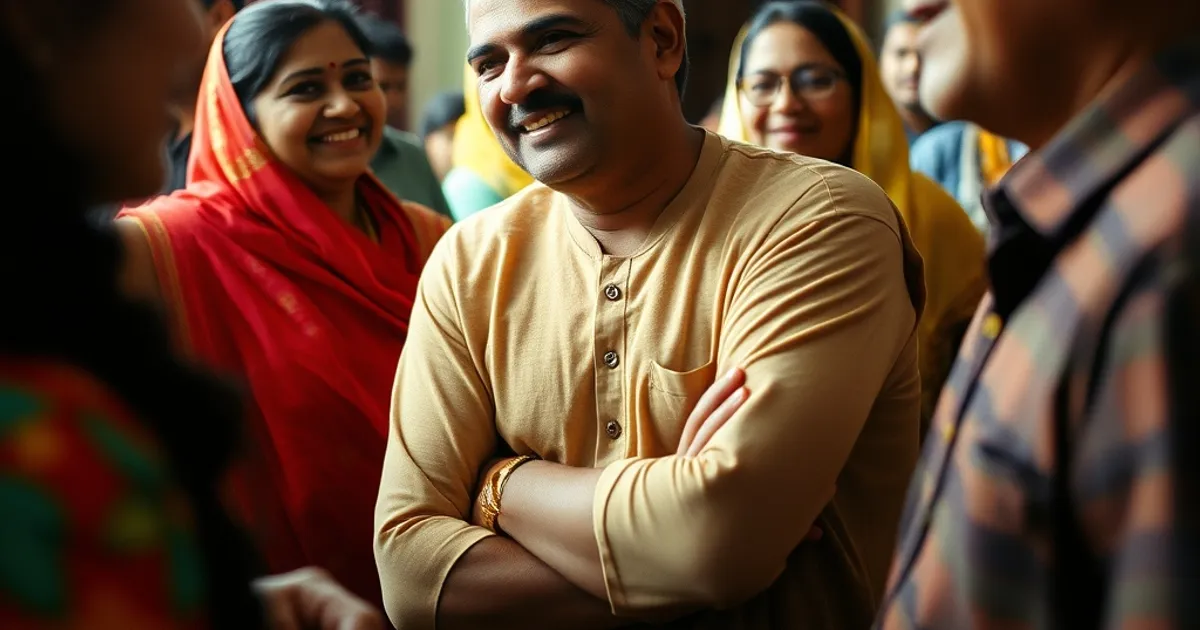
Manchester's South Asian community is in the headlines for reasons that cut from celebration to sober reckoning, with a hate-crime conviction, vibrant Holi festivities, and a fresh British-Pakistani drama series all demanding attention in the same week.
🤝 Holi and Heritage: Manchester's Indian Communities Celebrate and Connect
Spring brought vibrant Holi festivities to north-west England, with Manchester's Indian diaspora among the most enthusiastic participants in colorful celebrations that have become a fixture of the region's South Asian cultural calendar. The BBC reported on powder-color gatherings that drew families, young professionals, and long-established community groups together in joyful seasonal revelry. Complementing the festival coverage, Manchester Mill profiled key figures and institutions within Greater Manchester's Indian communities, including Shashtri Krishan Joshi and the Shree Radha Krishna Mandir, a temple that has served as a spiritual and social anchor for Hindus in the region for decades. These profiles reflect a community that has matured across generations — building temples, cultural associations, and professional networks while maintaining strong ties to language, faith, and tradition. Holi events in Manchester have grown in scale and public visibility in recent years, now drawing participants from well beyond the South Asian community, as curious neighbors and colleagues join in the colorful celebration. Community organizers view such events not only as cultural expression but as bridges between communities in a diverse, multicultural city. The combination of festival joy and thoughtful community journalism offers a rounded picture of Desi life in Manchester — one rooted in religious observance, civic participation, and a joyful readiness to share South Asian culture with the wider world. [1]
Hate Crime Conviction After Sikh Woman Attacked on Manchester Bus Shocks Desi Community
A deeply troubling case has sparked alarm and renewed calls for vigilance within Manchester's South Asian communities. A man has been convicted of raping a Sikh woman on a bus, with the Manchester Evening News reporting that the attacker deliberately targeted her after misidentifying her as Muslim — adding a disturbing layer of religiously motivated hatred to an already violent crime. The case has drawn responses from Sikh and broader South Asian community organizations, who condemned both the assault and the dangerous conflation of religious identities that shaped the attacker's targeting. Advocacy groups have called for greater public education about Sikh identity and for stronger police and judicial responses to hate crimes with a religious dimension. The conviction has been welcomed as a measure of justice, but community leaders stress that underlying attitudes enabling such crimes require sustained societal challenge. For Manchester's Desi community, the case is a sobering reminder that visibly South Asian women — whether wearing turbans, dupattas, or other markers of faith — can face targeted hostility in public spaces. Support organizations are urging victims of bias-motivated incidents to come forward and report, while community centers have signaled readiness to provide counseling and practical assistance to those affected. The incident has strengthened calls for intersectional protections that address race, religion, and gender simultaneously, ensuring no community member has to navigate hate alone. [2]
🎬 'Apnas': New British-Pakistani Drama Puts Desi Manchester on Screen
A compelling new drama series is shining a spotlight on the British-Pakistani experience through the lens of Manchester's streets and criminal underworld. 'Apnas,' reviewed by Eastern Eye, follows British-Pakistani cousins entangled in Manchester's crime world, offering a gritty, nuanced portrayal of second-generation immigrant identity, family loyalty, and the pressures of navigating dual cultural expectations while living on the edge of the law. The series reflects a growing appetite in British television for stories drawn from the lived experiences of South Asian diaspora communities, moving beyond stereotyped representations to explore complex characters facing recognizable urban challenges. Set against Manchester's distinctive neighborhoods, 'Apnas' taps into a rich vein of South Asian British storytelling that encompasses family dynamics, code-switching between cultures, and the search for belonging in a city that is simultaneously home and sometimes hostile terrain. Eastern Eye praised the series for its authentic dialogue, strong performances, and willingness to engage with the moral ambiguities of its characters' choices without reducing them to clichés. For audiences in Manchester and beyond, 'Apnas' offers both entertainment and recognition — a rare chance to see British-Desi lives portrayed on screen with genuine depth and specificity. The Manchester Desi community has responded with enthusiasm, recognizing a portrait of their city that feels, finally, like the real thing. [3]
Sources: [1] BBC · [2] Manchester Evening News · [3] EasternEye