
Janmashtami 2026 in Meerut: Events, Puja & Where to Celebrate
TL;DR
- 🙏 Krishna Janmashtami 2026 falls on September 4 — one of the most anticipated nights in Meerut's annual religious calendar
- 🌙 Temples like Mansa Devi Mandir in Jagriti Vihar and Dev Mandir in Modipuram draw some of the largest midnight gatherings in the city
- 🎊 The weeks leading up to Janmashtami include Raksha Bandhan 2026 (Aug 28), Nag Panchami 2026 (Aug 17), and a continuous series of fasting dates from late July
- 🪔 Midnight abhishek, dahi handi events, and elaborate Krishna jhankis define the celebration across Meerut's neighborhoods
- 📍 Arrive at popular temples by 10:30 PM — the sanctum area fills completely well before midnight
Janmashtami in Meerut: A Night That Transforms the City
Meerut is a city with deep roots in religious observance. As one of the older urban centers in western Uttar Pradesh, it carries a concentration of temples, active mandals, and devotional communities that collectively turn every major festival date into a city-wide event. Krishna Janmashtami 2026, falling on September 4, is among the highest of those dates.
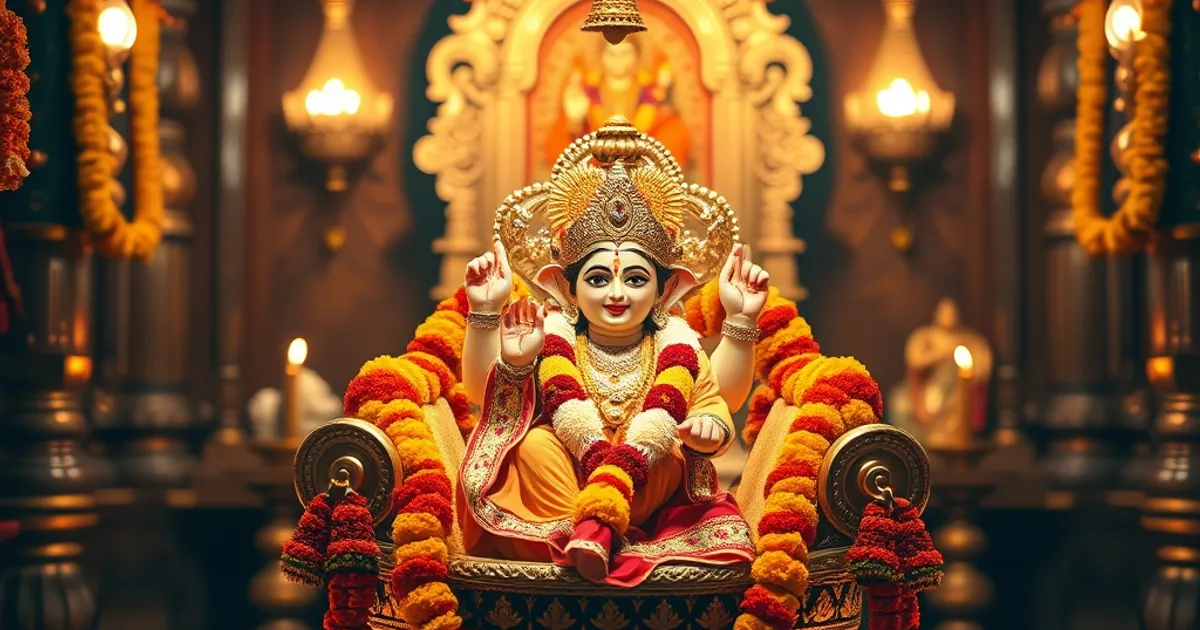
Janmashtami marks the birth of Lord Krishna, believed to have occurred precisely at midnight during the eighth day of the dark fortnight in the month of Bhadrapada. That midnight hour is the axis around which the entire celebration turns. Devotees fast through the day, temples prepare special jhankis (devotional tableaux depicting scenes from Krishna's life), and gatherings build through the evening until the abhishek — the ritual bathing of the deity with panchamrit — happens at the stroke of midnight to mark the birth.
Meerut has an additional layer of connection to this festival. The city sits in the cultural and geographic zone adjacent to Mathura and Vrindavan — the cities most directly associated with Krishna's birth and early life. Janmashtami here is not simply a date on the calendar; it is a spiritual event that residents prepare for and participate in with genuine intensity.
Temples Where Meerut Comes Together
Meerut's network of community temples ensures that virtually every neighborhood has a local venue for Janmashtami observance, with several standing out for the scale and devotion of their programs.
Mansa Devi Mandir in Jagriti Vihar draws one of the more dedicated congregations in the eastern parts of Meerut. The mandir maintains an active program throughout the festive calendar year, and for Janmashtami, the premises become a focal point for the neighborhood and beyond. Programs typically begin in the evening with bhajans and jhanki arrangements, building through the night to the midnight abhishek.
Dev Mandir in Modipuram has a committed following among Modipuram's residents and serves as the primary religious anchor for that part of the city. Extended programs for major festivals are a consistent feature, and Janmashtami celebrations here often run from early evening puja through the midnight ceremony and into the early hours of the next morning.
Uday Park Mandir in Uday Park benefits from its park setting, which allows for outdoor elements — decorations, processions, and audience space — that a purely enclosed mandir cannot offer. This makes it particularly suited to the kind of large-gathering events that Janmashtami tends to generate.
Mansa Devi Dham in Railway Colony draws a devoted local following, particularly from residents of the railway quarters and surrounding areas. The Dham format lends itself to more immersive devotional programs, with continuous bhajans and kirtans through the night on major festival dates.
Hanuman Madir near S Pocket Park, Pallavpuram, is primarily a temple of Lord Hanuman, but Hanuman's devotion to Lord Ram and the broader Vaishnava tradition means that major Krishnaite celebrations like Janmashtami are observed here as well. The neighborhood around Pallavpuram has a strong community attendance culture, and the temple's events reflect that.
Shiv Parvati Mandir on Gupta Colony Mandir Road rounds out the cluster of prominent mandirs. Even primarily Shaiva temples observe Janmashtami across the city — a reflection of how widely the festival is held rather than sectarianly celebrated.
The Build-Up: A Month of Devotional Preparation
Krishna Janmashtami 2026 on September 4 does not arrive in isolation. It is the culmination of a sustained devotional period that begins in late July and proceeds through a nearly unbroken series of significant observances.
Pradosh Vrat on July 27 opens the sequence — a fast dedicated to Lord Shiva, broken at dusk with evening prayer. Guru Purnima 2026 and Purnima both fall on July 29, marking the full moon with an emphasis on honoring teachers and performing purnima-specific puja. Temples in Meerut see elevated footfall on this date.
Sankashti Chaturthi on August 2 is a Ganesha fast day, followed closely by Ekadashi on August 9 — one of the most important Vaishnava fasting dates, marking the eleventh day of the lunar fortnight. Amavasya on August 12 observes the new moon with ancestral remembrance rituals and charitable giving.
Nag Panchami 2026 on August 17 brings serpent worship observances that hold particular cultural weight in north India. Milk offerings, nag deity visits, and traditional preparations characterize the day. Then Raksha Bandhan 2026 on August 28 marks a shift toward the familial celebratory mode that carries directly into the devotional intensity of Janmashtami week.
This rhythm — one significant date rolling into the next across six weeks — creates a sustained spiritual atmosphere in the city that primes communities for the peak event.
Insider Tip: For the midnight abhishek at major Meerut temples — particularly Mansa Devi Mandir in Jagriti Vihar and Dev Mandir in Modipuram — the sanctum area is typically full by 11 PM. Arriving by 10:30 PM gives you a reasonable position. Bring water and a small snack for the wait; you will be fasting, and the energy around the midnight moment makes the standing worth it. After the abhishek, many temples distribute prasad through to 1 AM or later.
Celebrating Janmashtami at Home
Not all observance happens at temples. Home puja for Janmashtami follows a well-established structure for families who prefer a quieter celebration or cannot attend a midnight program.
A small jhula (cradle) is set up for the Krishna idol or image, decorated with cloth, marigolds, and tulsi leaves. Fasting is maintained through the day — many families observe it on fruit and milk only, while some keep a stricter nirjal (waterless) fast. The idol is dressed in fresh clothes, typically in yellow and blue associated with Krishna's iconography.
At midnight, a panchamrit abhishek is performed with milk, curd, ghee, honey, and sugar, followed by offerings of makhan-mishri (fresh butter and sugar crystals) and small sweets shaped like flutes or peacock feathers, the symbols most associated with Krishna's childhood. Bhajans — particularly the compositions of Surdas and Mirabai — are played or sung through the night. The fast is broken after the midnight puja with the prasad.
FAQ
When is Krishna Janmashtami 2026? September 4, 2026. The sacred moment of Krishna's birth falls at midnight between September 4 and September 5.
Which temples in Meerut are known for Janmashtami celebrations? Mansa Devi Mandir in Jagriti Vihar, Dev Mandir in Modipuram, Uday Park Mandir in Uday Park, and Mansa Devi Dham in Railway Colony are among the more active venues.
Is fasting compulsory for Janmashtami? Fasting is traditional but not obligatory. Many devotees fast through the day and break after the midnight puja. A fruit-and-milk fast is the most common observance for those who maintain one.
What time do temple programs start? Evening programs with bhajans and jhanki viewing typically begin around 6-7 PM. The main abhishek and birth celebration aarti happen at midnight.
Is it worth traveling to Mathura or Vrindavan from Meerut for Janmashtami? Mathura and Vrindavan are accessible from Meerut, but Janmashtami night brings extreme crowds and severe traffic. Families who want the Mathura experience often plan accommodation in advance rather than attempting a same-night return journey.
Bottom Line
Meerut's Janmashtami celebration in 2026 builds on a festive foundation that stretches from Guru Purnima 2026 in late July through Raksha Bandhan 2026 in late August — a month of continuous devotional activity that reaches its peak on the night of September 4. Whether your preferred venue is the community gathering at Mansa Devi Dham in Railway Colony, the outdoor space at Uday Park Mandir, or the established congregation at Shiv Parvati Mandir on Gupta Colony Mandir Road, Meerut's network of temples ensures every corner of the city has somewhere to mark the midnight hour.