
Meerut Mobilises for Kanwar Yatra as Lemon Tree Signs In and a Study Names the Despair of 'Sitting' Youth
Meerut this week presents a layered portrait of a city managing competing realities: the municipal administration has mobilised significant resources for the Kanwar Yatra pilgrimage season, a national hotel chain has signed a new 75-room property signalling investor confidence, and a recent ethnographic study has placed Meerut at the centre of a national conversation about educated young people who are 'sitting' — waiting indefinitely for work that does not arrive. Alongside these threads, a report from the district jail sheds stark light on five women imprisoned for the murders of their husbands.
Meerut Municipal Corporation Deploys 60 Vehicles, PVC Pole Covers, and Cattle Teams for Kanwar Yatra
The Meerut Municipal Corporation has launched wide-ranging preparations ahead of the Kanwar Yatra in the month of Sawan, mobilising a fleet of 60 vehicles — including 20 tractor-trolleys and 20 e-rickshaws — specifically tasked with collecting waste generated at the temporary camps established to shelter Kanwari pilgrims. Municipal commissioner Saurabh Gangwar has been overseeing the effort, which extends well beyond sanitation to address two hazards that have repeatedly troubled the yatra in previous years. Electricity poles along pilgrimage routes are being fitted with PVC covering as a protective measure against electrocution accidents, which can occur when large crowds move in close proximity to exposed infrastructure over many hours and kilometres of procession. Dedicated teams have also been constituted with a focused mandate to catch and remove stray cattle from the path of the pilgrims, as unattended animals have caused disruptions and injuries during the high-density foot movement that defines the yatra. The Kanwar Yatra draws enormous numbers of devotees of Lord Shiva who walk to collect holy water from the Ganga, and Meerut — sitting on a key pilgrimage corridor in western Uttar Pradesh — experiences intense and sustained demand on its civic infrastructure during the season. The preparations reflect a recognition that the yatra requires active civic management rather than passive accommodation, with sanitation, electrical safety, crowd logistics, and animal control all demanding coordinated deployment of municipal staff and equipment. Residents along the yatra route have welcomed the advance planning, though concerns about traffic disruption and the footprint of temporary encampments remain standard seasonal friction. [8]
🏢 Lemon Tree Hotels Signs 75-Room Meerut Property, Strengthening the City's Organised Hospitality Base
Lemon Tree Hotels, one of India's prominent mid-scale hotel brands, has signed an agreement to open a new property in Meerut, Uttar Pradesh, a move that adds meaningful capacity to the city's still-limited stock of organised commercial accommodation. The upcoming hotel will feature 75 well-appointed rooms, along with restaurants, a fitness centre, and associated amenities that will position the property as a structured option for business travellers, government officials, and leisure guests visiting the western Uttar Pradesh market. The signing represents a deliberate commercial commitment to Meerut at a moment when the city is drawing attention for infrastructure investments — including improved transport connectivity to Delhi — and for an expanding economic base that has historically outpaced the hospitality infrastructure available to support it. Mid-scale hotel development in India's tier-two cities has accelerated in recent years as branded chains seek to capture demand from corporate travellers and families who currently face limited options beyond unbranded local establishments. Meerut's population scale and its strategic location between Delhi and the western Uttar Pradesh hinterland make it an attractive market for hotel operators looking to extend national networks into cities where the gap between demand and quality supply remains wide. The Lemon Tree property, once operational, would join a small but slowly growing collection of organised hotels in Meerut, contributing hospitality infrastructure that can support the city's commercial growth and its rising profile as a regional centre. For Meerut's business community, the signing is a welcome signal of outside investor confidence in the city's economic trajectory. [3]
🎓 Frontline Ethnography Names 'Sitting' as India's New Educated Unemployment, with Meerut as Field Site
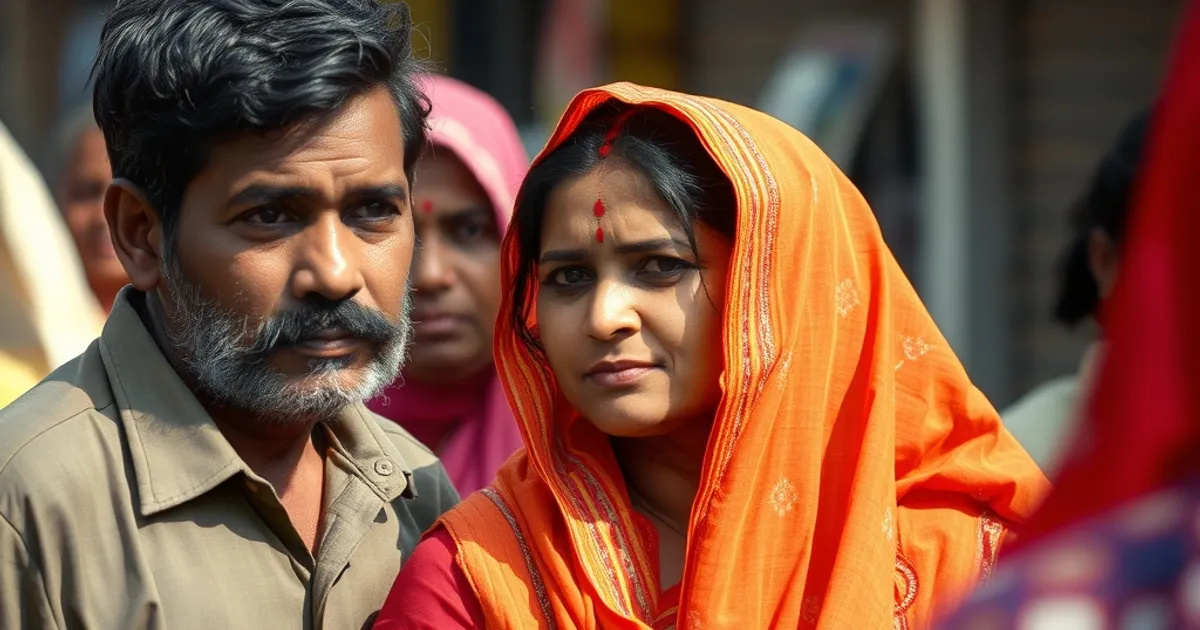
A substantial ethnographic study published in Frontline magazine has given a precise name to a phenomenon that millions of educated young Indians have been living through without an adequate vocabulary to describe it: 'sitting.' The research, conducted with Meerut as one of its primary field sites alongside Shimla, finds that educated unemployed youth in contemporary India are not simply idle but exist in a disciplined, structured holding pattern that the study characterises as a commodified and organised mode of waiting for employment that continually defers its arrival. Unlike the 'timepass' of an earlier generation — understood as casual, unstructured drifting through downtime — 'sitting' involves deliberate routines, schedules built around coaching classes, application cycles, and social rituals that maintain the appearance of productive effort even as the actual jobs those activities are meant to yield remain absent. Meerut is a particularly apt setting for this inquiry because the city has long been a hub for coaching institutes and competitive examination preparation, housing large populations of young people who have completed degrees and are competing for a constrained pool of government and private sector positions. The inclusion of Meerut in the study connects local experience to a national structural problem: the mismatch between India's educational output and its economy's capacity to absorb graduates at wage levels commensurate with their qualifications. For families in Meerut whose adult children are 'sitting' — visibly occupied, materially dependent, and indefinitely in waiting — the study offers a framework and a name for a reality that has previously existed without either. The research carries implications for how policy approaches to youth employment are designed and evaluated. [5]
Five Women in Meerut District Jail for Husband Murders: Damini's Snakebite Plot and the Blue Drum Case
Five women are currently imprisoned in Meerut District Jail on charges of murdering their husbands, and a recent account from within the facility has documented the circumstances and daily lives of each. The most recent arrival is Damini, a school principal from Hastinapur who, on the night of July 17-18, 2026, orchestrated the death of her husband Atul Pawar, 32, the owner of a private school. Damini and her accomplices — her lover, a school van driver named Tushar, and two snake charmers — first sedated Atul with an overdose of sleeping pills dissolved in milk, then arranged for him to be bitten by a snake, combining methods to ensure the outcome. She was taken to Meerut District Jail on July 18 and is housed in Barrack No. 12A; her four co-prisoners occupy the adjacent Barrack No. 12B for female inmates. All five women are reported to have killed their husbands with the objective of freeing themselves to pursue relationships with other men, and all arrived at the jail within a single year. In custody, the women have been assigned duties including sweeping, mopping, cooking, and sewing. Damini reportedly went without food for her first two days in jail, and jail staff have observed her sitting for hours at the barrack gate, watching the main entrance in the hope that family members will arrive to visit — a visit that has not come in the nine days since her incarceration began. She speaks repeatedly of her six-year-old son Manik, and has told staff she wishes to use her teaching experience to educate fellow inmates and their children inside the jail. [6]
Sources: [8] ETV Bharat · [3] ET Hospitality · [5] Frontline Magazine · [6] Bhaskar English