
Visiting Muscat? A South Asian Traveler's Food & Culture Guide
Visiting Muscat? A South Asian Traveler's Food & Culture Guide
Muscat has quietly become one of the most comfortable cities in the Gulf for South Asians — not just to work in, but to genuinely live in. Whether you're a first-time visitor touching down at Muscat International or a long-term resident helping a friend navigate the city, knowing where to eat, how to find your community, and what to expect culturally can make all the difference between feeling like a tourist and feeling at home.
TL;DR
- 🍽️ Muscat has a rich South Asian food scene — from early-morning idlis to late-night kebabs — spread across Al Khuwair, Ruwi, and Ghala.
- 🕌 Oman has a relaxed, welcoming culture, but a few local customs go a long way in earning genuine warmth from Omanis.
- 🥘 Whether you crave South Indian comfort food, Mughlai grills, or Nepali momos, there's a kitchen in Muscat cooking it right now.
- 📍 Most Desi restaurants cluster around Al Khuwair and Ruwi — both are easy to navigate and well worth exploring on foot.
- 🤝 The South Asian community here is large, organized, and genuinely welcoming — you won't feel like a stranger for long.
Why Muscat Feels Like Home 🌏
Muscat is a diaspora city in the truest sense. The South Asian community — Indians, Pakistanis, Sri Lankans, Bangladeshis, Nepalis — has been woven into the fabric of Omani life for generations. You'll hear Malayalam in the produce aisle, Tamil in the auto workshop, Hindi on the radio, and Nepali at the chai stall. This isn't just expat life; it's community.
For a South Asian traveler arriving fresh, that familiarity is instantly reassuring. But knowing where to plug into that community, and how to move through Muscat respectfully and confidently, takes a little local knowledge. That's what this guide is for.
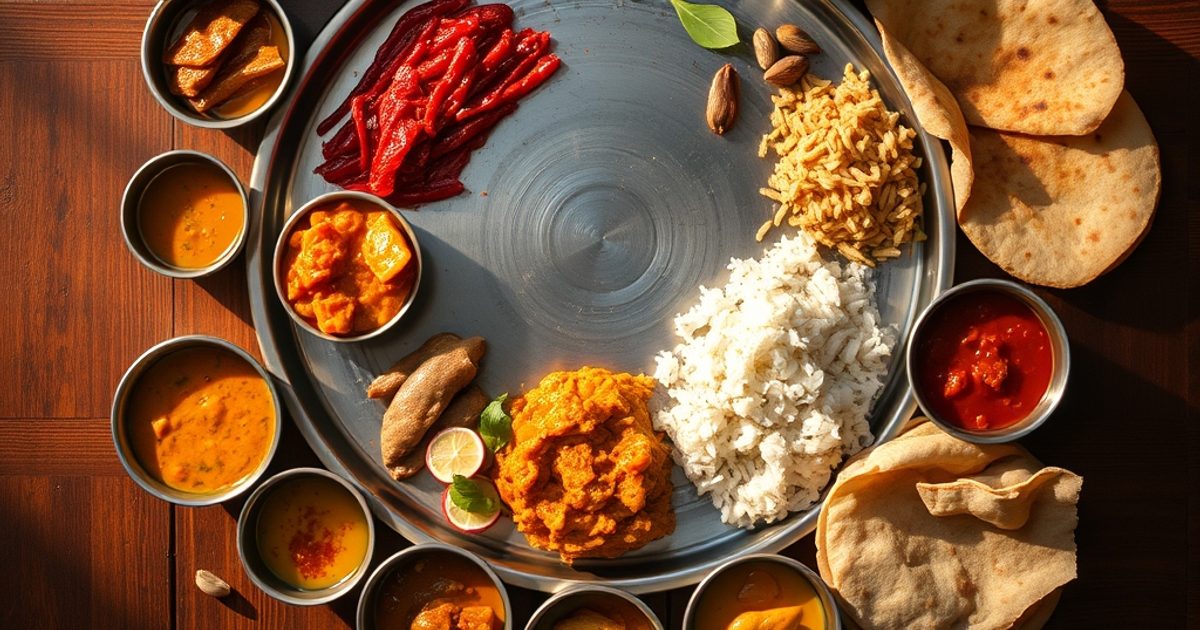
Eating Your Way Through Muscat's South Asian Food Scene 🍛
Let's be honest — for most of us, food is the first conversation. Muscat does not disappoint.
For South Indian vegetarian food, Anand Bhavan Restaurant on Computer Street in Ruwi is a genuine institution. Tucked inside a complex near the A1 computers area on Way 37, it opens early — from 6:30 AM — making it the go-to spot for a proper South Indian breakfast before work or sightseeing. It closes for a mid-afternoon break and reopens at 4:30 PM, running through to 11:00 PM every day of the week. Think fluffy idlis, crisp dosas, and filter coffee that actually tastes like filter coffee.
Also flying the South Indian flag is Dosa Corner South Indian Food Cafe on Way 4007, a focused little spot for anyone craving a quick, satisfying South Indian fix.
For vegetarians specifically, Udupi Home Vegetarian Restaurant in Ghala is worth seeking out. It's a no-fuss, community-style spot that leans into the kind of simple, honest cooking that reminds you of a canteen back home.
Woodlands Restaurant is another trusted name for Indian vegetarian cuisine in Muscat — their menu is available online and the restaurant has built a steady following among the local community over the years.
If you're in the mood for something more indulgent, Kabab Planet in Al Khuwair is exactly what it sounds like — a destination for grilled meats done right. Al Khuwair is one of the most Desi-dense neighbourhoods in Muscat, and Kabab Planet fits the area perfectly.
Thali and Beyond, located in Al Khoud 7, takes a slightly more contemporary approach to Indian food while keeping the soul intact. Their hours are generous — 9:00 AM through 12:30 AM — making it a solid choice for a late dinner or a lazy weekend brunch. Their website gives you a good preview of what to expect.
Foodlands Al Khuwair is a familiar name for the Indian community in Muscat, covering Indian cuisine with a comfortable, established feel. You can explore their offerings at foodlandsoman.com.
Imperial Kitchen on Way 3517 in Al Khuwair is an interesting option if your group has mixed preferences — the menu spans Indian, Thai, seafood, and more, which makes it a practical choice when you're eating with a crowd that can't agree.
For something a little different, Momo Mania on Way 4007 serves Nepali and Indian cuisine, with momos that are genuinely worth the trip. It's a reminder that the South Asian community in Muscat includes a significant Nepali presence, and the food scene reflects that beautifully.
Pista House Oman rounds out the picture with Indian and Chinese options and hours running from 10:00 AM to 11:30 PM — a reliable fallback when you need something familiar and filling.
💡 Desi Insider Tip: If you're in Ruwi, don't just eat and leave. Walk Computer Street and the surrounding lanes — you'll find Indian grocery shops, spice vendors, calling card kiosks, and sweet shops that feel like a transplanted bazaar. It's the most intensely Desi neighbourhood in Muscat, and it buzzes with a particular kind of energy that you either grew up with or immediately recognize.
Navigating Omani Culture as a South Asian Guest
Oman is one of the most welcoming countries in the Gulf, but a little cultural awareness goes a long way. Omanis are genuinely warm, and they appreciate visitors who engage respectfully rather than treating Muscat as simply an extension of South Asia abroad.
Dress modestly when visiting souqs, mosques, or government areas — this applies to everyone regardless of background. A light salwar kameez or modest Western clothing works perfectly and will earn you comfortable, easy interactions with locals. During Ramadan, eating, drinking, and smoking in public during daylight hours is prohibited, so plan meals accordingly and embrace the beauty of iftar gatherings if you're visiting during that time.
Greeting people with "As-salamu alaykum" is appreciated and almost always met with a warm response. Even if your Arabic goes no further than that, the gesture matters.
Muscat operates on Friday-Saturday weekends, so plan any government-related errands around that. Most restaurants and malls stay open seven days a week, but business hours can shift during public holidays.
Getting Around Like a Local
Muscat is a sprawling city — it's not built for walking between neighbourhoods, so having access to a car or reliable ride-hailing app is important. OTaxi and Mwasalat (the public bus network) are the main options if you're not renting a vehicle.
The key neighbourhoods to know for South Asian life are Al Khuwair (restaurants, shopping, community hubs), Ruwi (the old commercial heart, intensely Desi in character), Ghala (more residential, good food options), and Qurum (a mix of dining and leisure). Most of the restaurants listed in this guide are spread across these areas.
Parking is generally available and free at most restaurant locations, which makes driving the most practical choice for exploring.
Finding Your Community in Muscat
One of the quieter joys of South Asian life in Muscat is how well-organized the community is. Indian, Pakistani, Sri Lankan, Bangladeshi, and Nepali associations all hold regular events — cultural programs, religious observances, Diwali celebrations, Eid gatherings, cricket matches, and music evenings.
Temples, mosques, churches, and gurdwaras are all present in Muscat, serving different parts of the South Asian community. The Indian School Muscat alumni network, various state associations (Kerala, Tamil Nadu, Maharashtra, and others all have active chapters), and WhatsApp-connected neighborhood groups all make it relatively easy to find people from your region or background within days of arriving.
For newcomers specifically, connecting with your company's existing South Asian employees is often the fastest route in. The community looks after its own.
Practical Tips Before You Go
A few things worth knowing before your first week in Muscat:
Supermarkets like Lulu Hypermarket and various Indian grocery stores stock familiar staples — atta, dal, masalas, fresh curry leaves, and regional snacks are all easy to find. You won't need to over-pack provisions from home.
The weather in Muscat is extreme in summer (May through September) — plan outdoor activity for mornings and evenings, and build restaurant meals and indoor time into the peak afternoon hours. The rest of the year is genuinely beautiful, and the winter months bring a pleasantly mild, golden quality to the city.
Tapping into Desi.Net is one of the most practical things a new arrival or visitor can do — it's where the local South Asian community shares listings, events, recommendations, and conversations that don't always make it onto mainstream platforms.
FAQ
Is Muscat a good destination for vegetarians? Absolutely. South Indian and Indian vegetarian restaurants are plentiful, and places like Anand Bhavan, Udupi Home Vegetarian Restaurant, and Woodlands cater specifically to vegetarian diners. Most Indian restaurants in the city offer strong vegetarian menus.
How safe is Muscat for South Asian travelers? Muscat is consistently ranked among the safest cities in the world. The large, established South Asian community means new arrivals rarely feel isolated or vulnerable. Standard city awareness applies, but serious safety concerns are uncommon.
Is it easy to find halal food in Muscat? As a Muslim-majority country, virtually all meat served in Muscat's restaurants is halal by default. This is rarely something you need to ask about.
What's the best neighbourhood to stay in as a South Asian visitor? Al Khuwair and Qurum offer a good balance of proximity to restaurants, shopping, and transport links. Ruwi is more budget-friendly and deeply immersed in Desi daily life, which some visitors prefer.
Can I get by in Muscat without speaking Arabic? Very comfortably. English is widely spoken in commercial and hospitality settings, and within the South Asian community, Hindi, Urdu, Malayalam, Tamil, and other regional languages are all in daily use.
The Bottom Line
Muscat isn't just a city where South Asians live and work — it's a city the South Asian community has helped shape, flavor, and make vibrant over decades. From a 6:30 AM idli in Ruwi to a late-night thali in Al Khoud, from cricket on a Friday morning to Diwali lights in October, the rhythms of Desi life pulse steadily through this beautiful Omani capital.
Whether you're visiting for a week or just arrived for a three-year posting, the warmest welcome in Muscat often comes from your own community. And the best way to find that community? Start here, at Desi.Net — your local guide to South Asian life in Muscat.