
Desi Things to Do in Nagpur (June 2026)
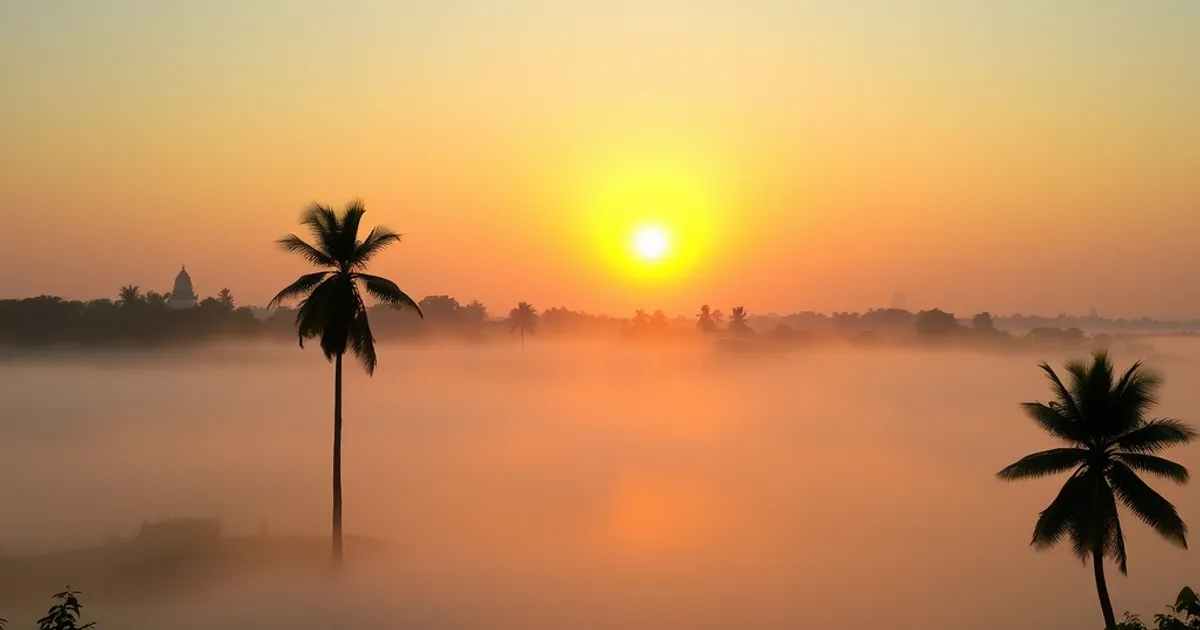
Why June‑July 2026 is a golden window for us Nagpurians
Summer in Nagpur feels hotter, but the calendar is brimming with moments that bring us together—temple rituals, community fairs, and the magic of the monsoon on the horizon. Whether you’re a lifelong resident or a newcomer, carving out time for these local experiences will keep you connected to the pulse of the city.
TL;DR
- 🌕 Mark the lunar calendar – Amavasya (July 14), Ekadashi (July 25), Pradosh Vrat (July 27), Guru Purnima & Purnima (July 29), Sankashti Chaturthi (Aug 2).
- 🛕 Visit the historic temples – plan your visits around the fasting and prayer days for a richer experience.
- 🌳 Escape to nature – early monsoon showers make the nearby parks and lakes especially refreshing.
- 🍛 Taste seasonal street food – the heat brings out crisp, tangy snacks you won’t find any other time of year.
- 🎉 Join community gatherings – many societies host free cultural programmes on these auspicious dates.
1. Spiritual rhythm: observing the key dates
Amavasya – July 14
The new moon is a day of reflection and often a time for charitable giving. Many families gather at local temples to light diyas and offer prayers for prosperity. Arriving early ensures you can witness the serene chants before crowds build up.
Ekadashi – July 25
Ekadashi is a fasting day observed by many devotees. Temples across the city serve simple prasad—usually boiled potatoes, jaggery, and a dash of ghee. If you’re fasting, bring a light snack; otherwise, it’s a great opportunity to try the humble yet comforting fare.
Pradosh Vrat – July 27
Dedicated to Shiva, this evening fast culminates at dusk. The temple bells ring loudly, and a abhishek (ritual bathing) with coconut water creates a fragrant atmosphere. Many community groups organize a prasad distribution after the pooja—perfect for meeting neighbors.
Guru Purnima & Purnima – July 29
Guru Purnima honors teachers and mentors. Temples host special guru‑stuti performances and free shiksha talks. The full moon (Purnima) adds a luminous backdrop, making night visits especially photogenic.
Sankashti Chaturthi – Aug 2
Dedicated to Ganesha, this day involves overnight prayer and an early‑morning prasadam offering of modak. The city’s main Ganesha shrine decorates the entrance with fresh flowers, and the aroma of incense wafts through the streets.
💡 Desi Insider Tip: Bring a small container of coconut water with you when you attend temple events. It’s considered a pure offering, and you’ll be welcomed with extra prasad for sharing.
2. Sacred spaces worth a visit (even outside the festival dates)
- Ramananda Swamy Temple – Known for its towering shikhar, the temple offers a quiet morning meditation session on weekdays.
- Maharaj Bagh – A historic garden adjoining a small mandir, great for a sunrise stroll before the heat peaks.
- Moti Bagh – Features an ancient shivling that is especially busy on Pradosh Vrat; arriving before 5 PM lets you avoid the long queue.
Each site welcomes visitors with open arms; modest dress and removing shoes are the only etiquette requirements.
3. Nature fixes before the monsoon fully arrives
Futala Lake
Early mornings are peppered with joggers and families flying kites. The lake’s rain‑kissed breeze in late June feels like a natural air‑conditioner. Pack a thermos of chai and a light snack.
Sitabuldi Fort Park
The fort’s ramparts provide a shaded spot to watch the city’s skyline. On Guru Purnima, local school choirs sometimes perform near the entrance—bring a blanket and enjoy the impromptu concert.
Ambazari Garden
The garden’s flowerbeds burst with marigold and jasmine in July. A leisurely walk here pairs nicely with the fragrant incense you might have picked up at a temple market.
4. Seasonal street food you shouldn’t miss
- Pav bhaji stalls near the railway station get extra butter on two‑hour intervals, perfect for a quick lunch after temple visits.
- Bhel puri vendors at the market square add tangy tamarind chutney during the hot days, balancing the heat.
- Jalebi carts on the main road fry the sweets fresh in the afternoon sun; the crisp edges and syrupy center are a nostalgic treat.
These snacks are inexpensive and readily available; just keep some wet wipes handy.
5. Community gatherings and cultural programmes
Many local societies host free bhajan evenings or naad performances on the auspicious dates listed above. Check community notice boards at the municipal library or the Nagpur Cultural Centre for exact timings. Seating is on a first‑come, first‑served basis, so arriving a bit early guarantees a good spot.
FAQ
Q: Do I need to fast on Ekadashi or Pradosh Vrat? A: Fasting is a personal choice; many people observe a light fast (fruit or milk) while others partake in the prasad offered at the temples.
Q: Are children allowed inside the temples during the festivals? A: Absolutely. Most temples welcome families and often have a small play area nearby.
Q: What’s the best time to visit Futala Lake in June? A: Around 6 AM–8 AM, when the temperature is cooler and the lake reflects the sunrise.
Q: Where can I find affordable vegetarian meals near the festivals? A: Street vendors near the major temples usually serve simple vegetarian fare—look for stalls with a clean, busy kitchen.
Q: Is public transport reliable during these event days? A: Buses and shared autos run on regular schedules; however, expect slight delays near temple precincts due to crowds.
The Bottom Line
June‑July 2026 offers a blend of spiritual observance, natural respite, and tasty street eats that are uniquely Nagpur. Mark the lunar dates, wander through the temples, sip chai by Futala Lake, and let the community’s warm hospitality fill your days. Keep checking Desi.Net for any last‑minute updates on timings and special programmes—there’s always something new to discover.